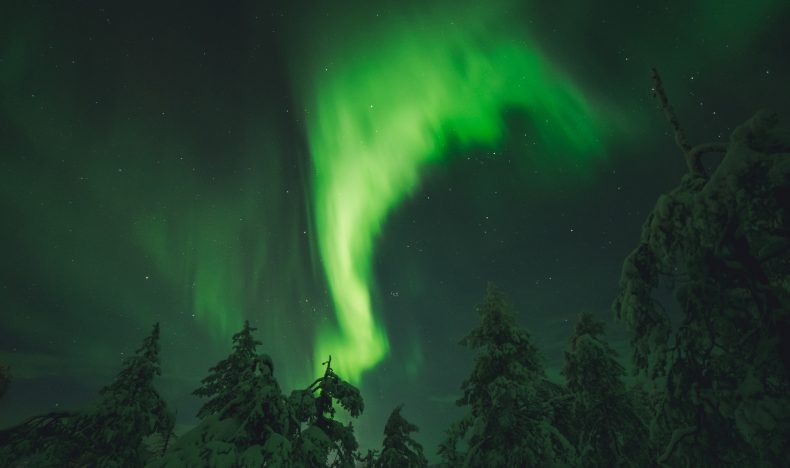
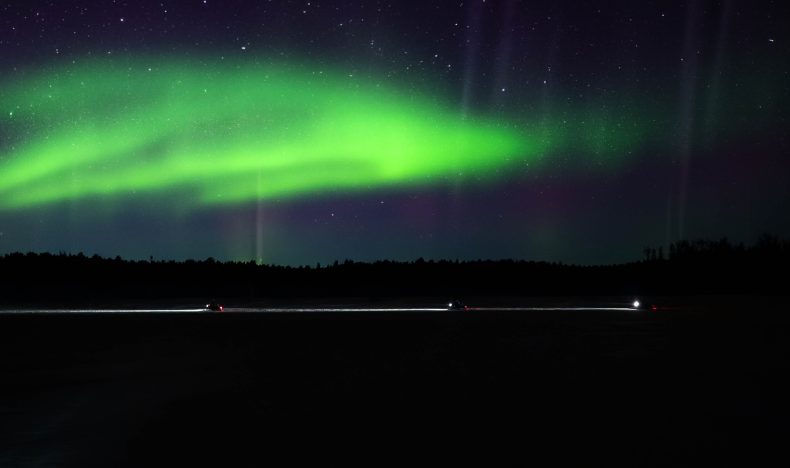
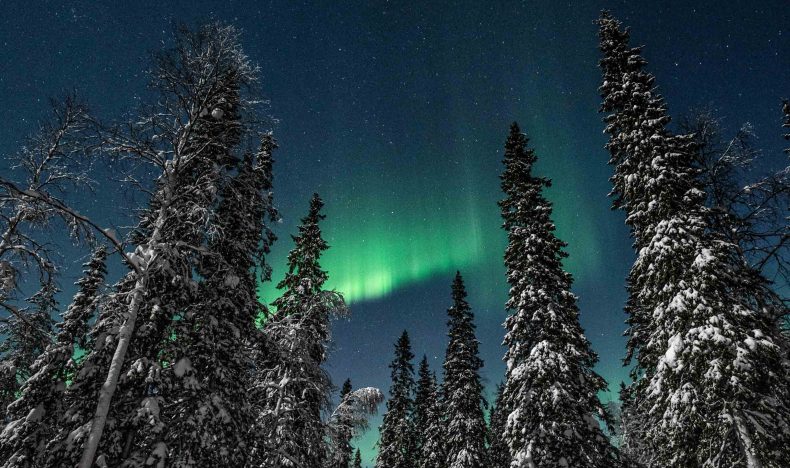
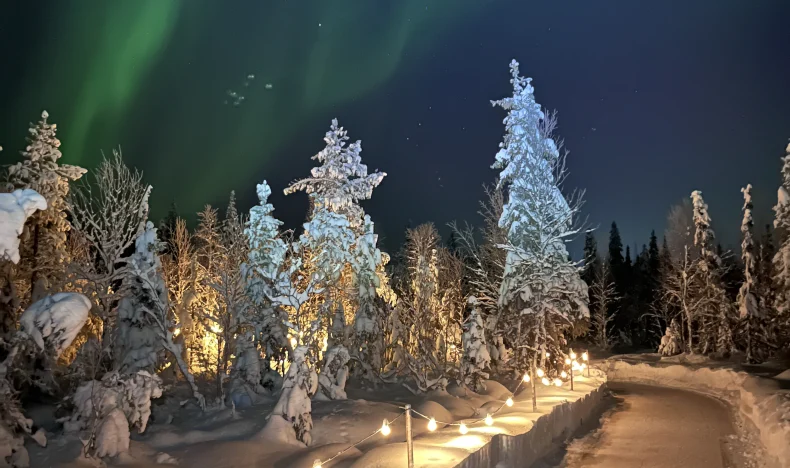
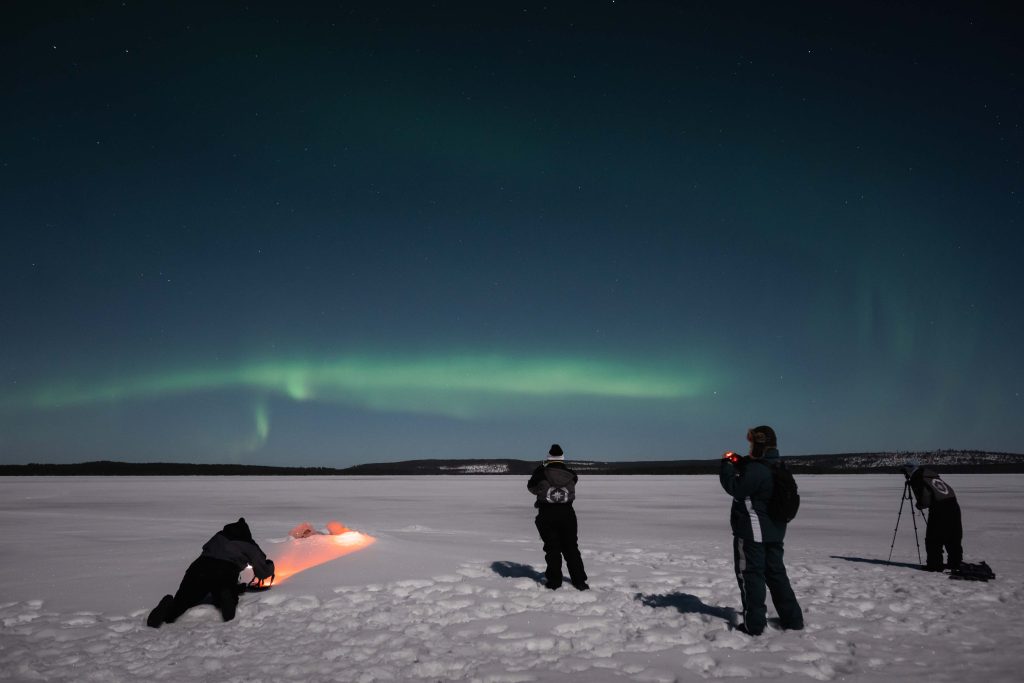
Hunt for the Northern Lights with your own group and a professional photographer, with a private location, flexible timing and professionally edited photos.
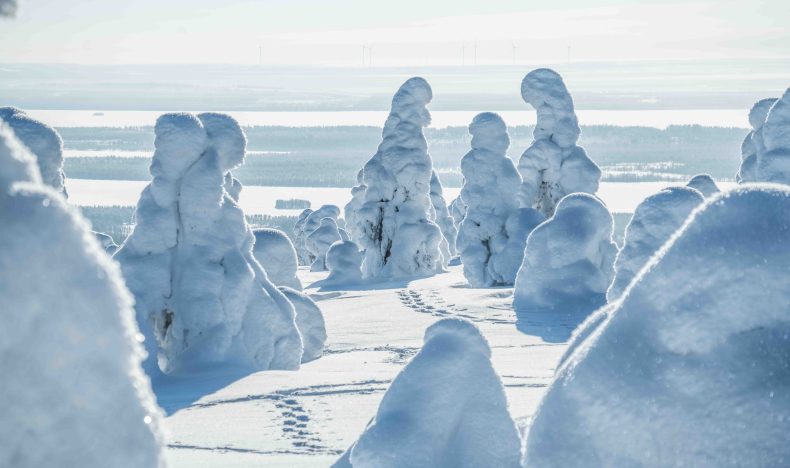
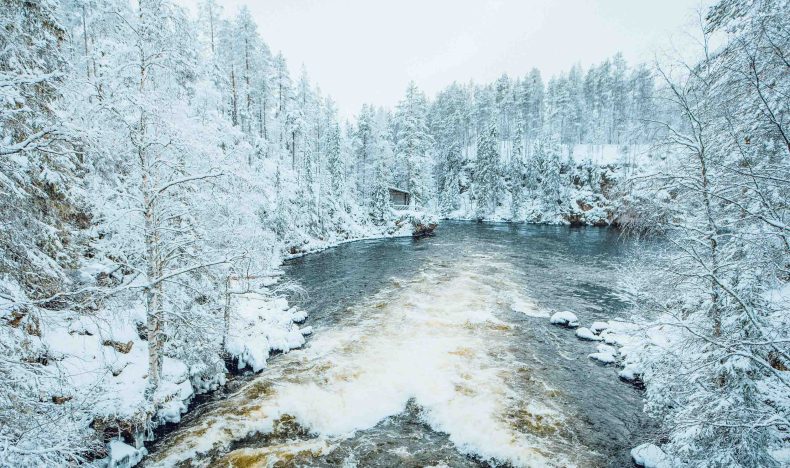
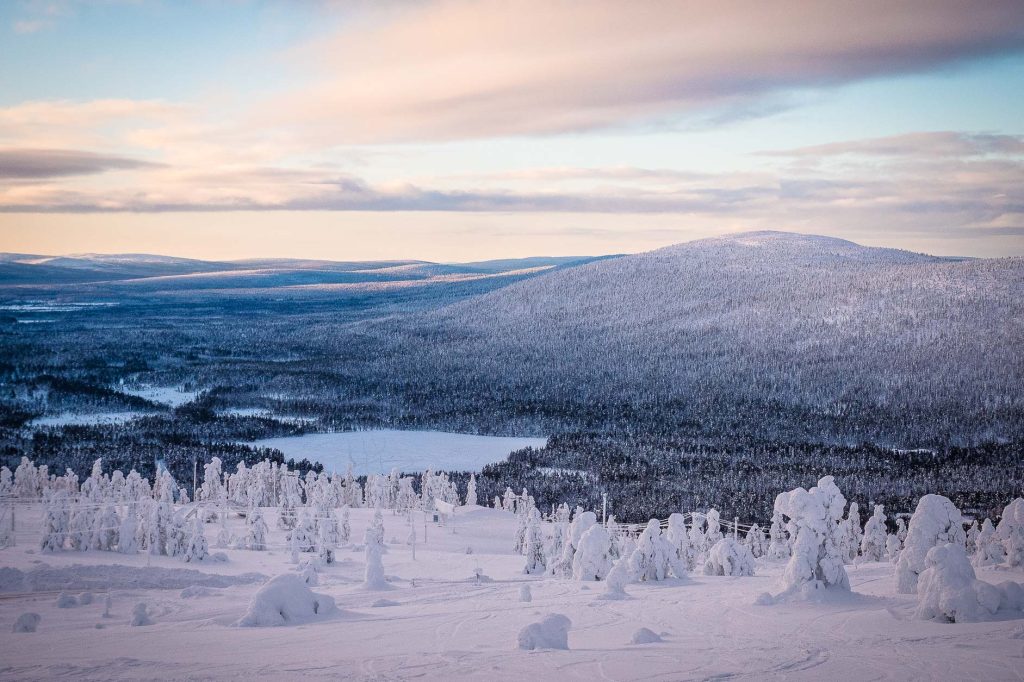
Explore Riisitunturi's snow-covered fells on an 8–9-hour small-group winter expedition with photography stops, a light campfire lunch and a 4–5 km route.
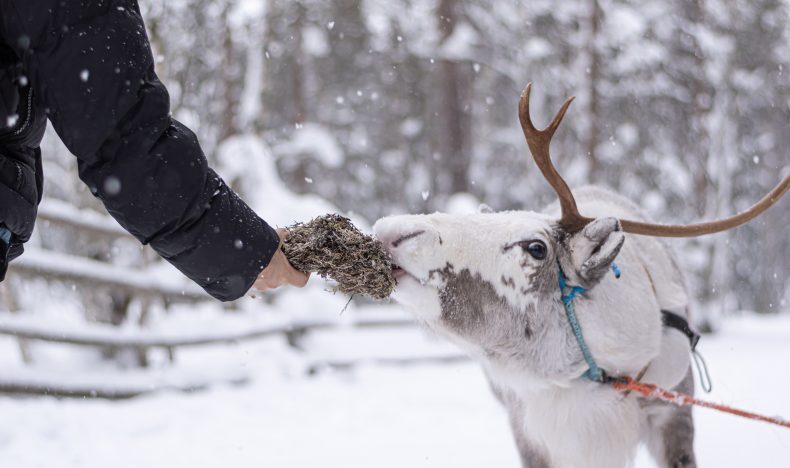
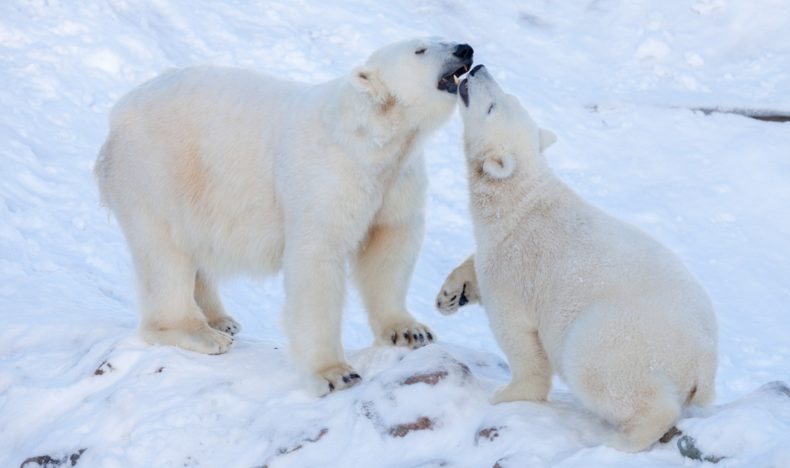
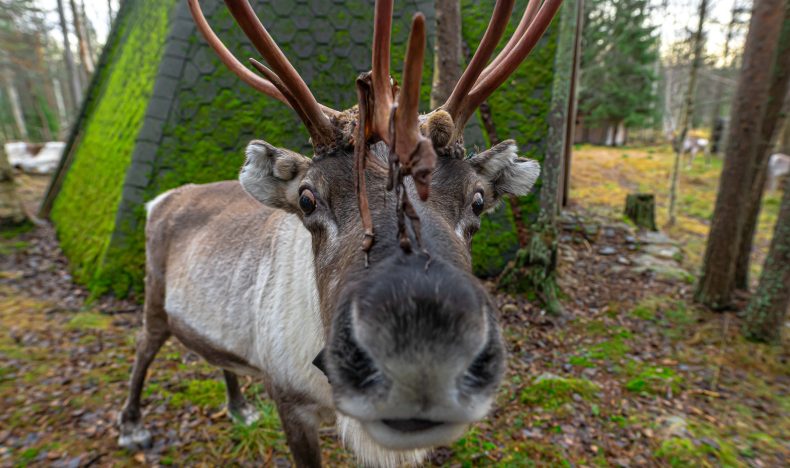
Visit Ranua Wildlife Park, home to more than 50 Arctic animal species, on a 5-hour tour from Rovaniemi with photography guidance and edited tour photos.
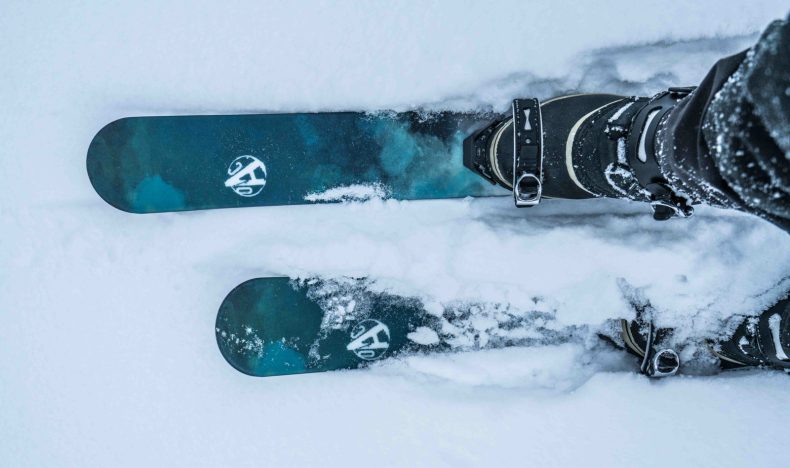
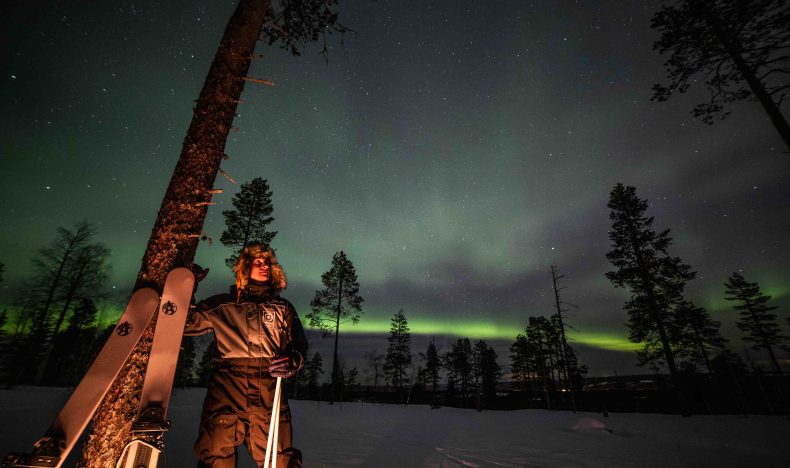
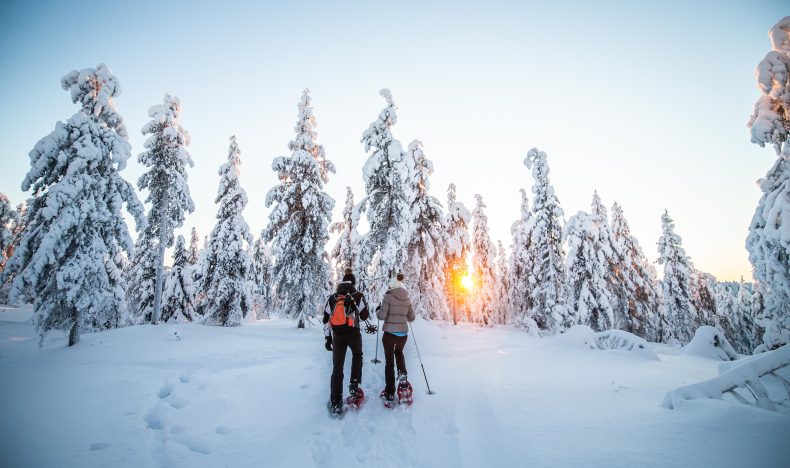
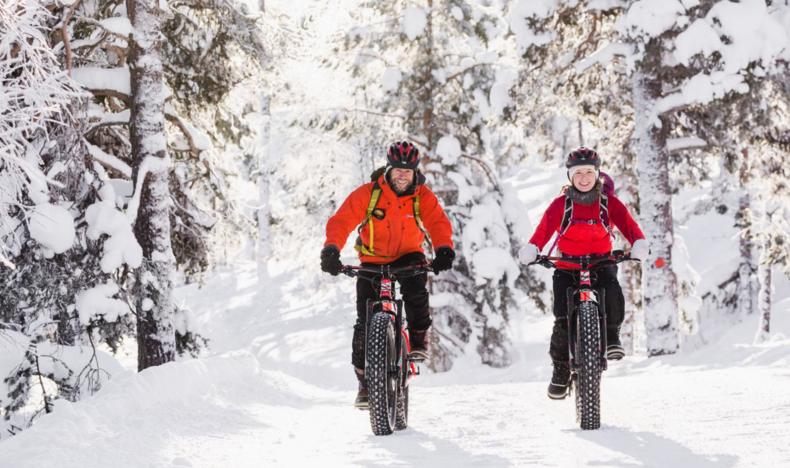
Learn the basics of backcountry skiing on a guided 3–4 km journey through peaceful forests near Rovaniemi, with photography and a relaxing campfire break along the way.
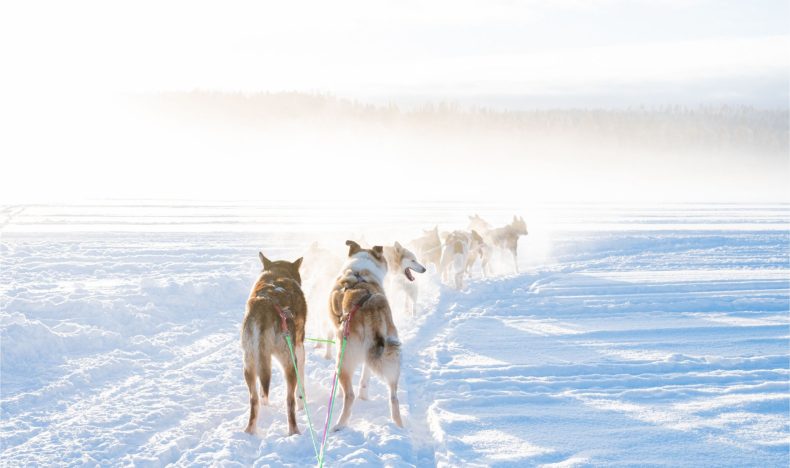
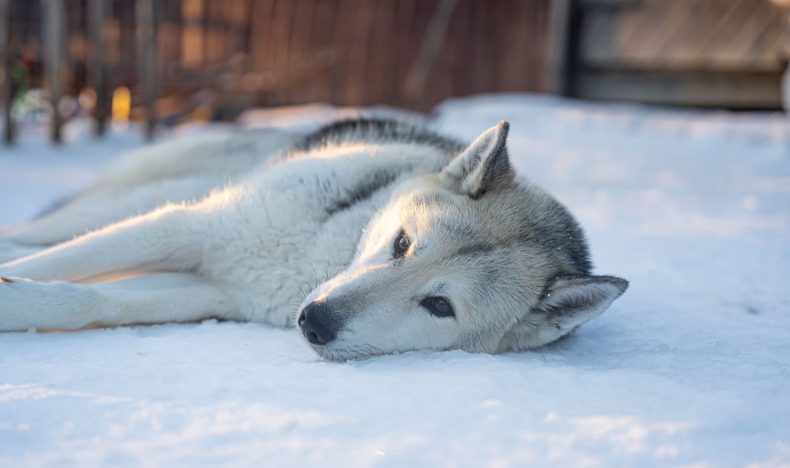
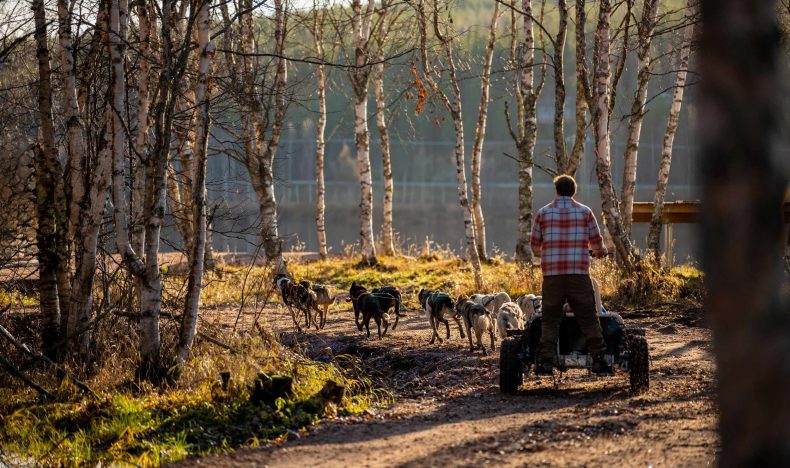
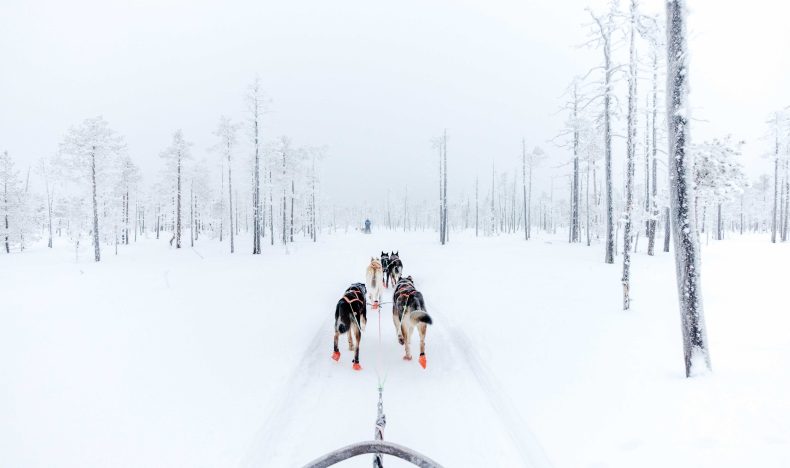
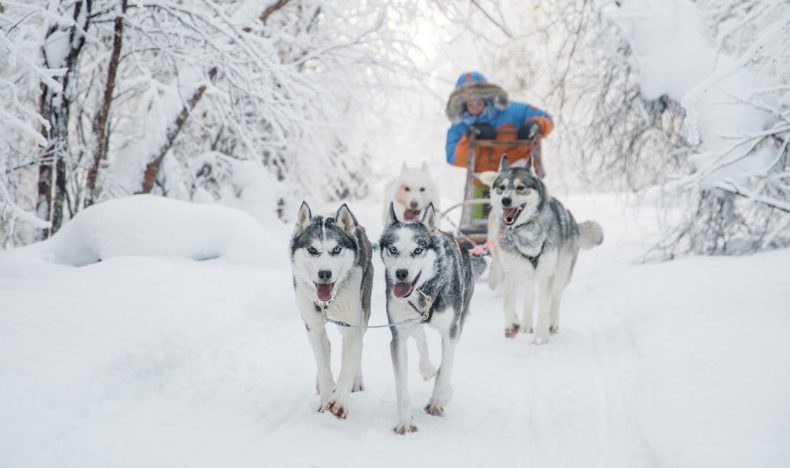
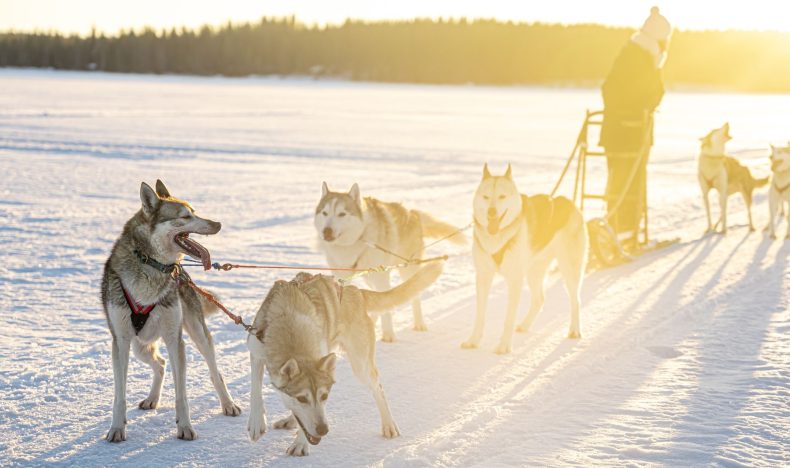
Mush your own husky team on a 12–18 km adventure through the wilderness outside Rovaniemi, then meet the dogs and enjoy stories and hot berry juice with cookies.
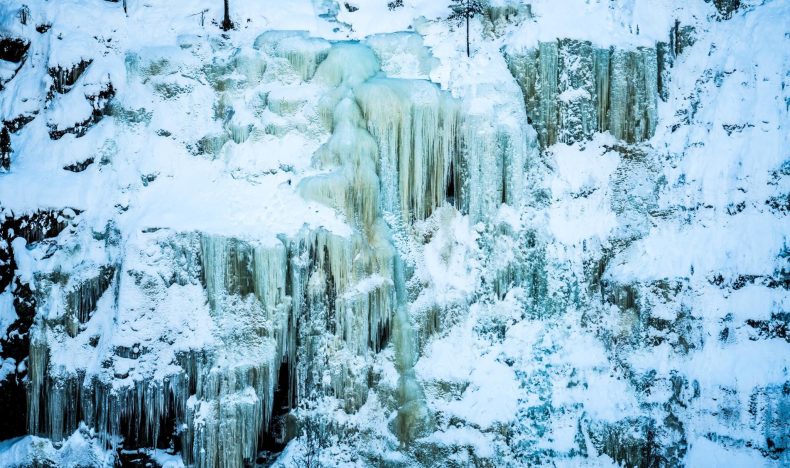
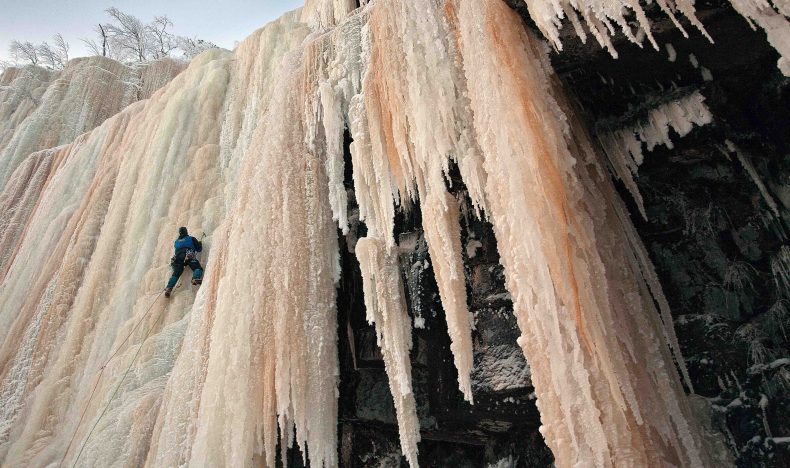
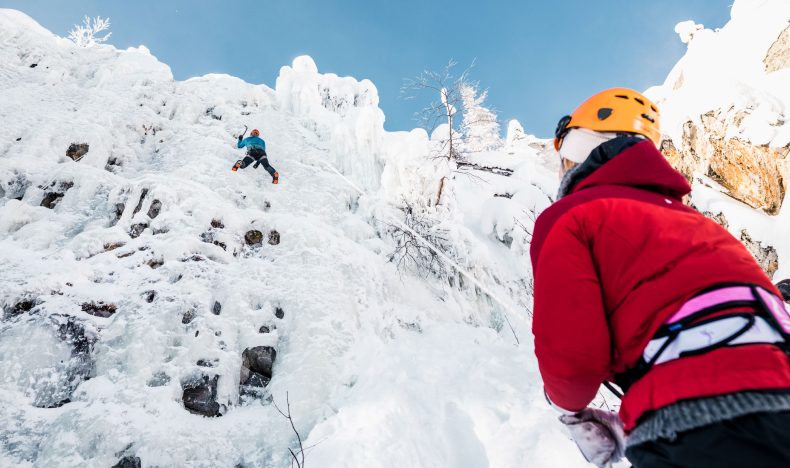
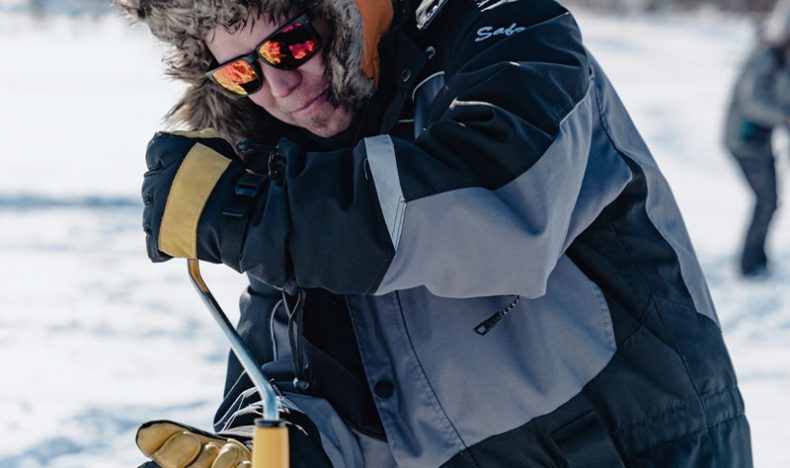
Travel from Rovaniemi to Korouoma Canyon for a full-day ice climbing adventure with a professional instructor, climbing equipment and return transportation included.
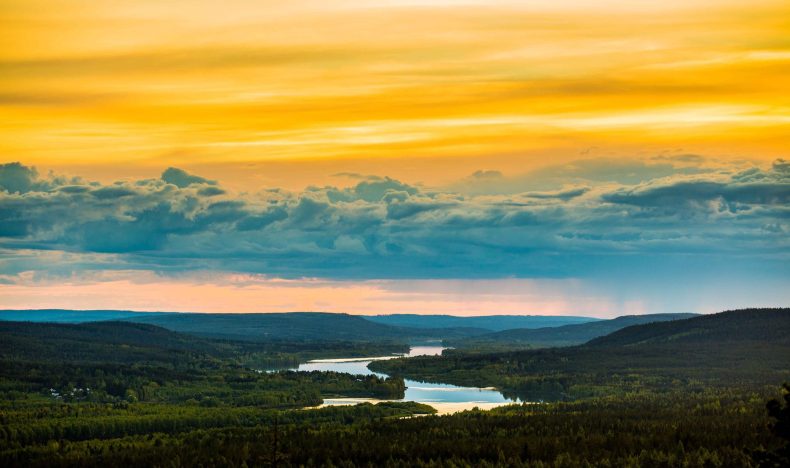
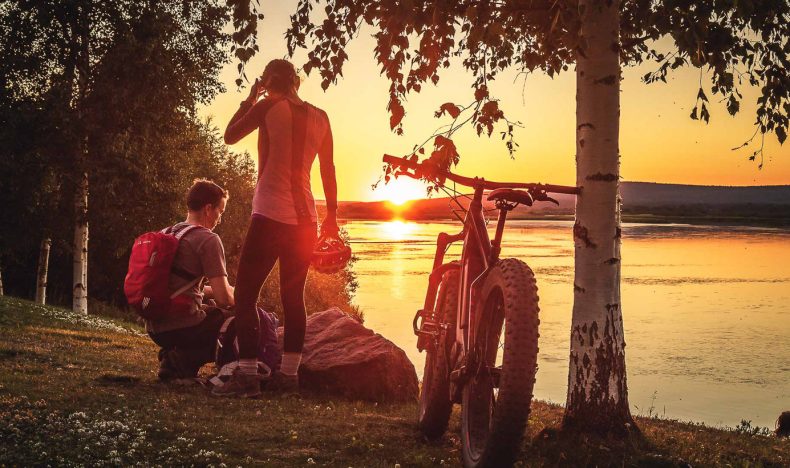
Photograph Rovaniemi's summer night light beside rivers, lakes and forests on a 3–4-hour small-group tour with camera guidance, a campfire stop and edited tour photos.
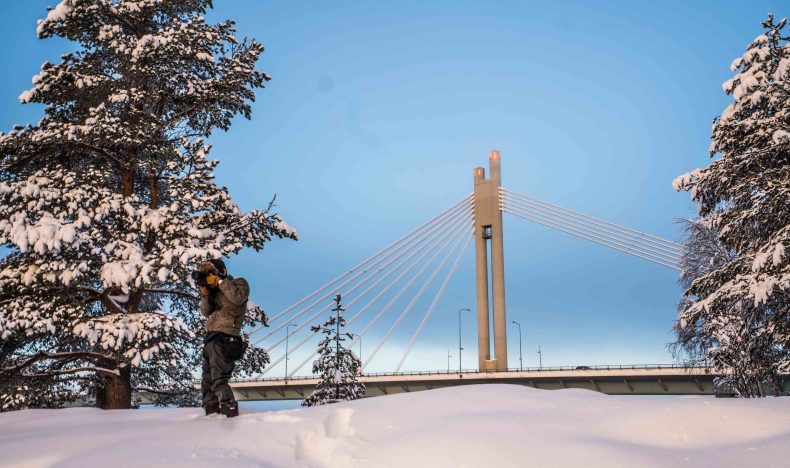
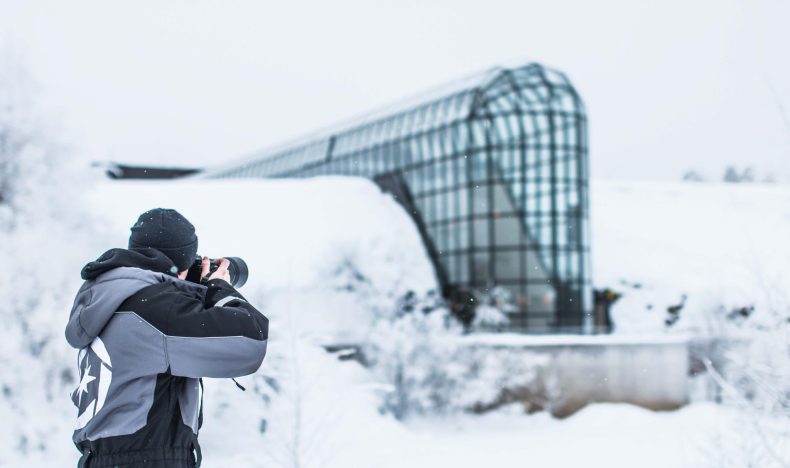
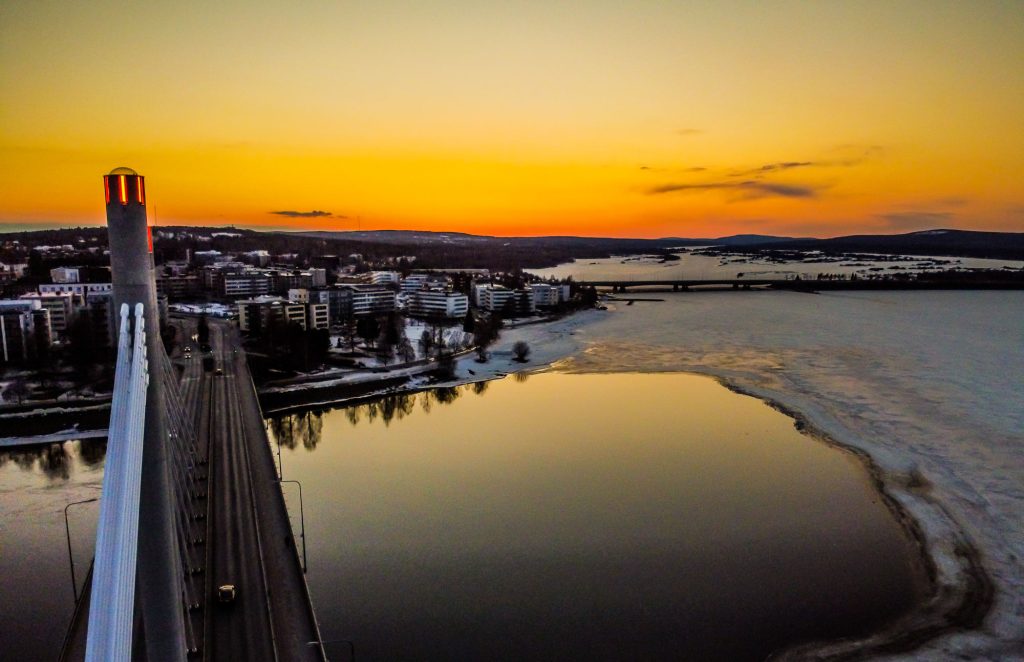
Photograph Rovaniemi's winter cityscape, frozen river and nearby snowy nature on a private 2-hour tour with a professional photographer and edited portraits.
Photograph Rovaniemi's riverside landmarks, summer light and nearby Lappish nature on a 2-hour tour with professional guidance and edited photos included.
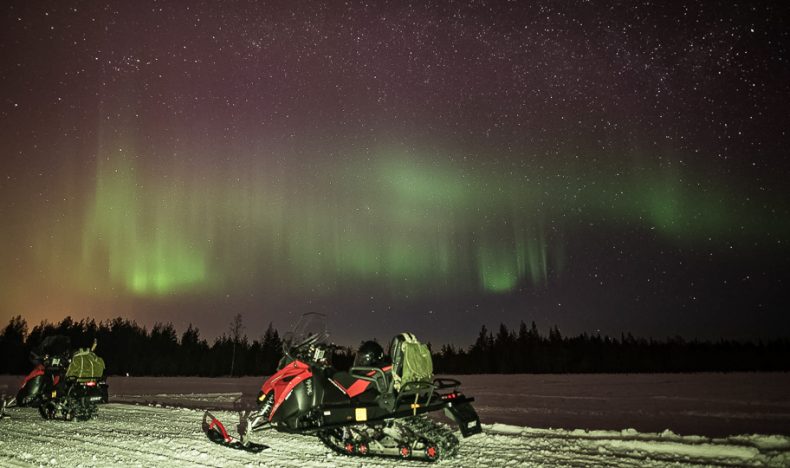
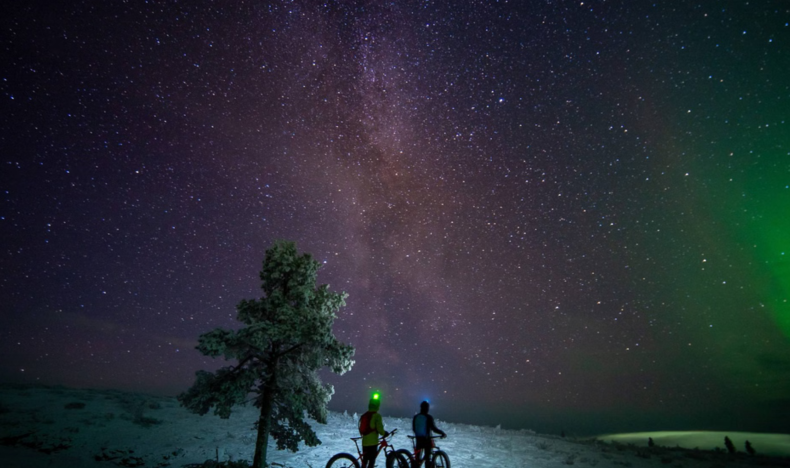
Hunt for the Northern Lights around Levi with a professional photography guide, camera support and edited tour photos. Aurora sightings are unpredictable and cannot be guaranteed.
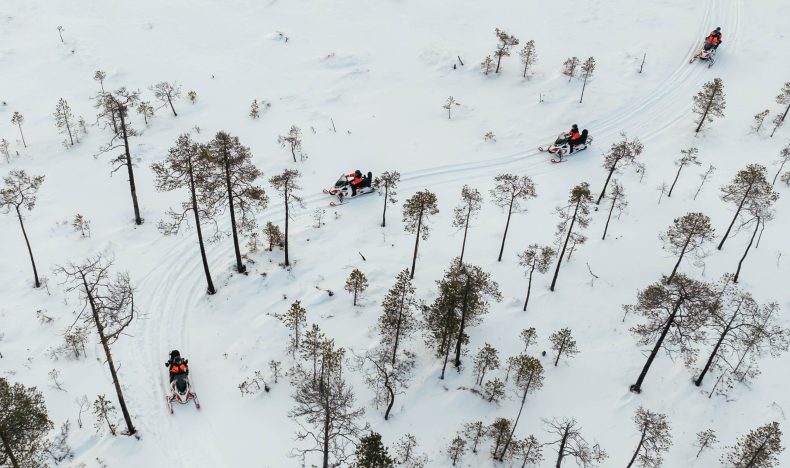
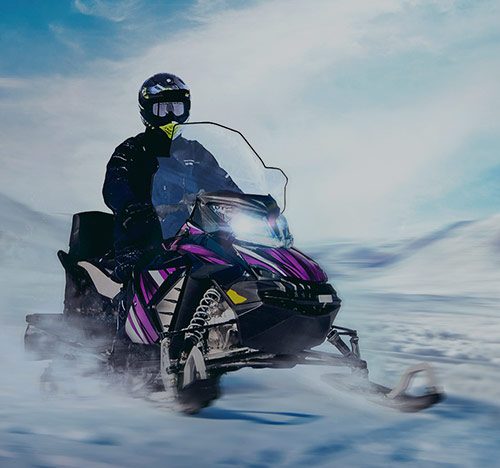
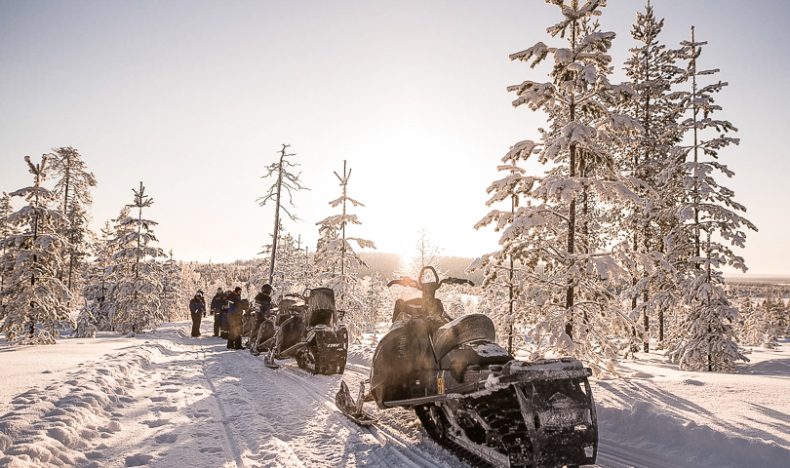
Ride a snowmobile through Levi's forests and frozen landscapes after dark, stopping to watch the sky and enjoy a fireside snack. Northern Lights sightings cannot be guaranteed.
Learn the basics of backcountry skiing on a small-group trip into the snowy wilderness near Levi, with specialist skis, warm clothing and photography guidance included.
Where is Lapland? It is the far north of Europe, a wide belt of forest, fells and rivers that runs across the top of Norway, Sweden and Finland and reaches into the northwest corner of Russia. When people say they are going to Lapland, they usually mean Finnish Lapland, the northernmost region of Finland, and most of them land in Rovaniemi, the regional capital on the Arctic Circle. We have run small-group tours from Rovaniemi since 2016, and a clear picture of the map makes every later choice about flights, towns and months easier.
Where Is Lapland?
On a map, find the Gulf of Bothnia, the long northern arm of the Baltic Sea, and look above it. Everything from the Norwegian coast across to Finland’s border with Russia is what English speakers loosely call Lapland. In practice the name covers three holiday areas: Finnish Lapland, Swedish Lapland across the Tornio river valley, and the far north of Norway, which most visitors reach through Tromsø. They share the same winter and the same summer light, while each has its own airports, towns and operators.
The Sámi, the only indigenous people in the EU, call the wider area Sápmi. Visit Finland describes it as a cultural region that crosses northern Lapland, and the Regional Council of Lapland notes that it stretches from northern Norway through Sweden and Finland into northwest Russia. As you travel north you will see Sámi place names, flags and handicrafts, and they belong to a living culture that spans all four countries.
Finnish Lapland in a few numbers
According to the Regional Council of Lapland, the region covers 100,366 square kilometres, almost one third of Finland, yet in 2017 it had just under 180,000 residents, about three per cent of the population. It borders Norway, Sweden and Russia. From Simo on the coast to Nuorgam at the northern tip is more than 500 kilometres, worth remembering whenever an itinerary promises the whole of Lapland in one weekend.
The Arctic Circle
The Arctic Circle lies at approximately 66°33′46″ north, and Rovaniemi sits right on it, according to Visit Rovaniemi. Most visitors step over the line at Santa Claus Village, about 8 km north of the city centre, where it is marked on the ground. On and above the circle the sun can stay below the horizon for 24 hours in midwinter and above it for 24 hours around midsummer. That is why a December trip and a June trip feel like two different countries.
Since the circle is a line of latitude, crossing it changes your photograph more than your weather. What shapes a day here is how far you are from street lights, how high the fells rise around you and which month you chose to come.
Finnish Lapland & Rovaniemi
Rovaniemi is the capital of Lapland and, for most international guests, the front door. The city grew up where the Kemijoki and Ounasjoki rivers meet, so the centre is compact and ringed by water and bridges. You can stay in a normal hotel while the forest starts a short drive away.
Juho and Annika founded Beyond Arctic here in June 2016, and Annika is originally from Ivalo, further north in Finnish Lapland. Our Rovaniemi office is at Valtakatu 21, within walking distance of the central hotels, and pick-up is free if you stay within 10 km of the city centre. On our own photography tours a professional photography guide comes along, and groups have a maximum of eight guests.
What Rovaniemi is good for
So much of Lapland’s scenery is within a day’s reach that the city works well as a single base. Our Riisitunturi National Park Adventure is an 8–9 hour winter trip with a 4–5 km route over snow-covered fells, and the Korouoma Frozen Waterfalls Adventure takes 6–7 hours through a canyon, with a campfire lunch. Emilia, one of our wilderness guides, names Riisitunturi and backcountry skiing as her favourite trips with us. Ranua Wildlife Park, home to about 50 Arctic and northern animal species, is about an hour’s drive south.
Santa Claus Village is an easy half day, especially with children. Entry is free, so you can walk around, cross the Arctic Circle and visit Santa, while specific rides and experiences have their own fees.
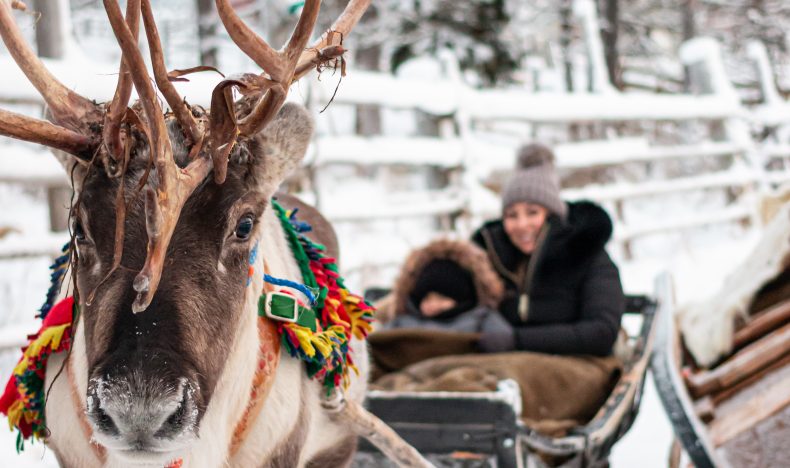
For a short stay we usually suggest one evening for the northern lights and one daytime activity, such as a reindeer farm or a snowshoe trip. After a late aurora night, keep the next morning gentle. There is more on the city in Things to Do in Rovaniemi: A Local’s Guide.
How to Get There (Flights)
Most visitors fly into Rovaniemi Airport (RVN), which Finavia serves with daily connections from Helsinki, and the Regional Council of Lapland puts the flight at about 1 hour 15 minutes. Finavia reports 37 routes to Rovaniemi for the winter season from 25 October 2026 to 27 March 2027. At the peak there are direct links to as many as 36 international airports, including new routes from London Gatwick, Newcastle, Munich and Prague. Our list of flights to Rovaniemi is sorted by country, and since schedules shift every season, check with the airline before you book.
From the terminal, the Airport Express & Santa’s Express bus runs to Santa Claus Village and the railway station, and taxis wait at three platforms outside during scheduled arrivals.
Kittilä Airport (KTT) is the one for Levi, which lies 15 kilometres away, and Finavia lists Pyhä-Luosto among the other areas it serves. Buses run to Levi in the main season, while outside it transfers work on demand and need booking ahead. Ivalo (IVL), the northernmost airport in Finland, brings you within reach of Lake Inari and Saariselkä, which makes for a different trip from ours.
By train, bus or car
VR runs night trains to Rovaniemi, Kolari and Kemijärvi, and you can bring your car on the same train, so you can go to bed in the south and wake up in Lapland. Long-distance buses from Helsinki’s Kamppi terminal usually take 11 to 13 hours to Rovaniemi. Our guide to travelling to Rovaniemi by land covers sleepers, buses and road trips in more detail.
Most long-haul guests change planes at Helsinki, and in winter a comfortable gap between flights is worth more than an early arrival, because snow and wind can slow an inbound flight. If you drive, bring winter tyres and good lights, pack a small shovel and warm clothing, and allow extra time once the weather turns.
Best Towns
Choose a base for what you want to do each day, and the rest of the plan tends to fall into place.
Rovaniemi is the all-rounder, with the most flights, a full city around you and day access to national parks, husky and reindeer farms, Ranua and Santa Claus Village. It suits a first visit with mixed interests.
Levi is about a two-hour drive north of Rovaniemi, a purpose-built ski and activity resort where you walk between slopes, trails and restaurants. Our office there is at Myllyjoentie 2, and we pick guests up within 10 km of it, while a pick-up from Kittilä Airport can be arranged for an extra fee. Tours from Levi include the Northern Lights Photography Tour and a 4–5 hour winter hike in Pallas-Yllästunturi National Park. Our Levi guides watch the weather through the day so the evening group heads to the spot with the clearest sky, and Discovering Lapland and Things to Do in Levi tells you more about the village.
Pyhä-Luosto lies around Pyhä-Luosto National Park and suits people who want fells and space. According to Pyhä’s bus page, a bus runs from Rovaniemi Airport to the resort four times a day in winter and twice in summer. In Pyhä-Luosto we work with hand-picked local partners, whose tours include snowshoeing on top of Pyhä Fell after a ride on the PyhäExpress chairlift, skiing on Altai skis in the national park and ice climbing at Tajukangas Ice Fall. On these tours the photos are yours to take.
Inari and Saariselkä lie further north and are reached through Ivalo. Inari is home to the Siida Centre of Sámi Culture, and both places reward a trip of their own with a local operator.
A simple way to choose
On a long weekend one base keeps the trip calm, and if you fly into Rovaniemi the city is the natural choice. With a week you can split your nights between Rovaniemi and Levi or Pyhä-Luosto, keeping the nights in each place together so you change hotel only once. Our Travel Designer team can combine tours and photographer-guides into one stay, and booking several adventures together brings 5–20% off.
When to Visit
Match the month to what you most want to see, because light, snow and activities shift a great deal through the year. Visit Rovaniemi keeps a month-by-month guide with average daylight and temperatures for every month.
Late August to October brings the first dark nights and ruska, the autumn colours, which at the Arctic Circle usually peak from mid-September to early October. The northern lights can appear from the end of August, and our autumn husky experience uses a wheeled cart while the ground is still bare.
November to January is the deep, blue season. Permanent snow usually arrives in late November or early December, and sled rides start once there is enough of it, often by mid-December. Average daylight in Rovaniemi is about 2.5 hours in December and 4 hours in January.
February and March suit most first-timers who want deep snow and usable daylight, with about 8 hours of light in February and 12 in March. Clear skies are more common in March than earlier in the winter, which helps on aurora evenings, and temperatures typically sit between -15 °C and -5 °C.
April still has snow and around 15 hours of daylight, and the aurora stays possible until about mid-April. May to August is the light season, with the midnight sun in Rovaniemi from early June to early July, long hiking days and our Midnight Sun Photography Tour.
Aurora sightings are unpredictable and cannot be guaranteed, so plan two or three evenings out over your stay and check the Finnish Meteorological Institute forecasts. Our post on when snow comes to Rovaniemi explains the winter stages in more detail.
A first week, sketched
Use day one for landing, buying anything you forgot and an early night. On the second evening, if the forecast shows breaks in the cloud, join an aurora tour and keep the next morning slow. Day three suits huskies or reindeer, and day four a longer nature day such as Riisitunturi or Korouoma from Rovaniemi, or Pallas from Levi. Save a second aurora evening for later in the week, because each extra night gives you another chance at a clear sky.
Frequently Asked Questions
Is Lapland a country?
Lapland is a region. Finnish Lapland is the northernmost region of Finland, and in English the name also covers the far north of Sweden and Norway.
Is Rovaniemi in Lapland?
Yes, Rovaniemi is the capital of Finnish Lapland and sits on the Arctic Circle. Its airport is where most international visitors arrive.
Do I need to go further north than Rovaniemi to be in Lapland?
Rovaniemi is already in Lapland, with forest, reindeer farms and dark sky a short drive from the centre. Going further north brings higher fells, which is a good reason to add Levi or Pyhä-Luosto to a longer trip.
Can I see the northern lights from the city centre?
A strong display can show above the city, yet the sky is far darker once you leave the street lights behind. That usually means a short drive out of town, which is what our evening aurora tours do.
Which airport should I fly to?
Fly to Rovaniemi (RVN) for a trip based in the city or Pyhä-Luosto, and to Kittilä (KTT) if you are staying in Levi. Ivalo (IVL) is the airport for Inari and Saariselkä.
How many days do I need?
Our holiday packages run from a two-day getaway to a week or longer. A short stay can hold one aurora evening and one daytime activity, while a week leaves room for a national park, animals and a second base.
Is Lapland always covered in snow?
In Rovaniemi there is snow on the ground for about six months of the year, according to Visit Rovaniemi, and our snow guide explains that the permanent cover usually settles in late November or early December. Autumn brings colours and early aurora nights instead, and summer brings the midnight sun.
Does Beyond Arctic cover all of Lapland?
We run our own tours in Rovaniemi and Levi, and in Pyhä-Luosto we offer tours with hand-picked local partners. For Inari, Saariselkä or Kilpisjärvi, a local operator in those areas will serve you best.
Is the Arctic Circle the same thing as Lapland?
The Arctic Circle is a line of latitude at about 66°33′ north, while Lapland spreads on both sides of it. Coastal Simo, for example, lies in Lapland south of the line.
Is Finnish Lapland the same as Swedish or Norwegian Lapland?
They share the Arctic winter and Sámi history, while each has its own airports, towns and operators. A week from Rovaniemi is a Finnish Lapland trip, and Tromsø or Kiruna are best planned as journeys of their own.
Browse our small-group tours in Lapland, or ask us about dates and combinations.
Juho is a true explorer who is always seeking for the next adventure. With more than a decade of experience in demanding hikes, mountain climbs and remote destinations around the world, Juho wanted to combine the explorer's spirit with his passion for photography. Beyond Arctic was born.
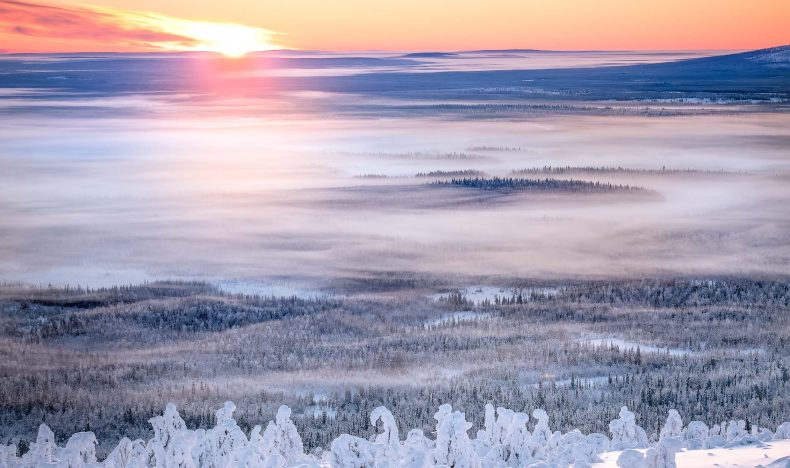
Lapland’s many stunning natural destinations offer plenty of choices when planning activities for your visit to Finnish Lapland. And if you ask the locals, many will have their own favourite destination. There is no debating which is best—just as it is in matters of taste in general. However, there are many people in Lapland that would name Riisitunturi National Park as their favourite outdoor destination. Are you ready to find out why?
Already thinking about your winter trip to Lapland? Now is the perfect time to start planning the details. Until the end of July 2026 you can book with “SUMMER26” and get 15% off all Beyond Arctic adventures for the summer, autumn and winter seasons!
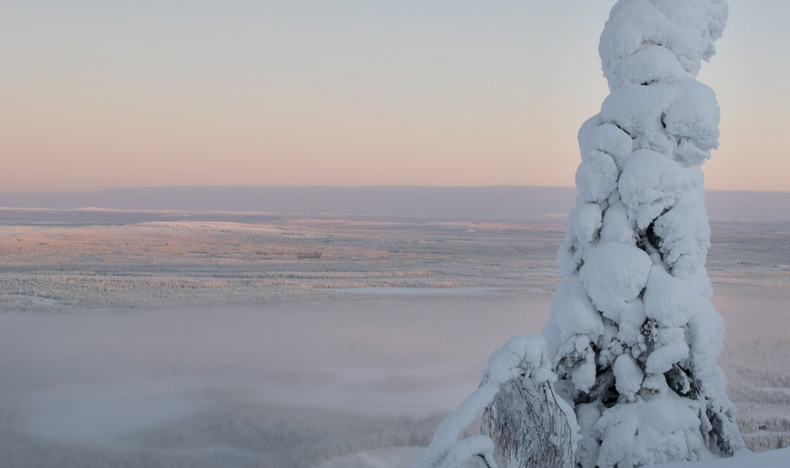
One of the more memorable sights visible in the winter sky in Rovaniemi doesn’t always mean the Northern Lights. During the darkest parts of the winter in December and January you will have the chance to see something uniquely beautiful, which social media users have taken to affectionately calling “cotton candy sky”.

 Top Seller
 Beyond Originals
 Rovaniemi 145 € / person