Hunt for the Northern Lights with your own group and a professional photographer, with a private location, flexible timing and professionally edited photos.
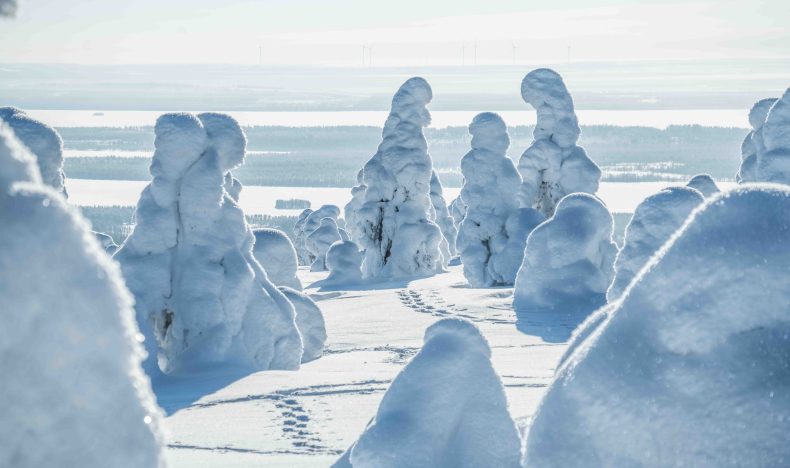
Explore Riisitunturi's snow-covered fells on an 8–9-hour small-group winter expedition with photography stops, a light campfire lunch and a 4–5 km route.
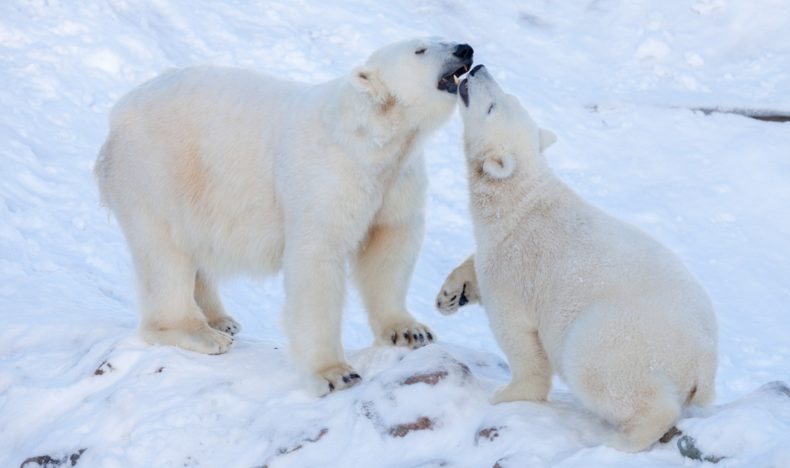
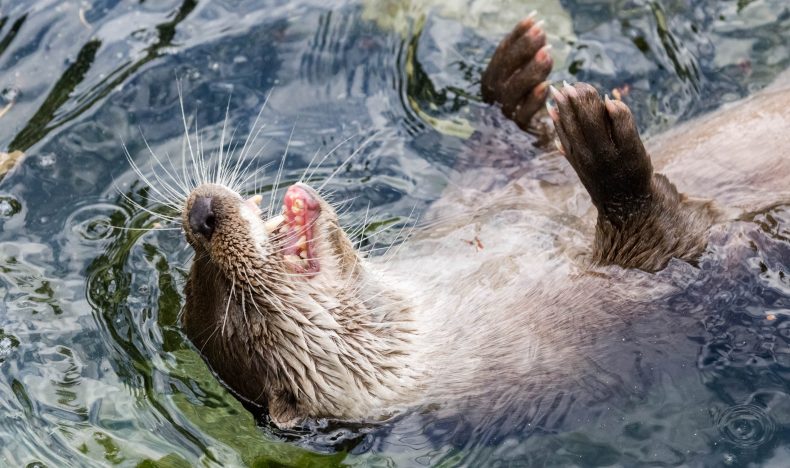
Visit Ranua Wildlife Park, home to more than 50 Arctic animal species, on a 5-hour tour from Rovaniemi with photography guidance and edited tour photos.
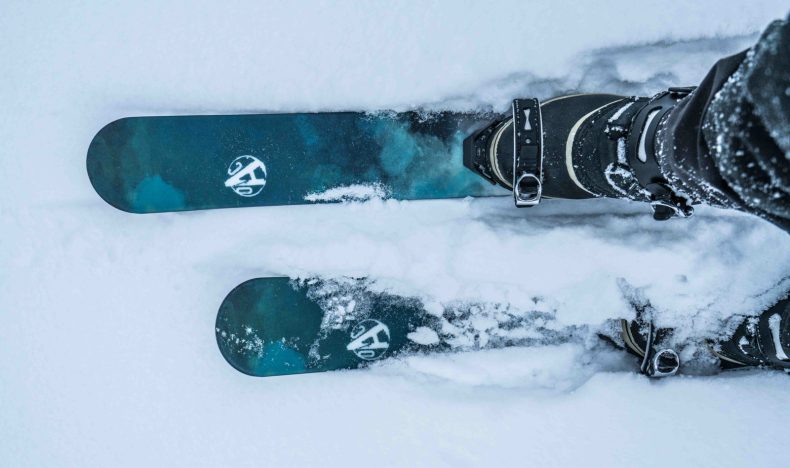
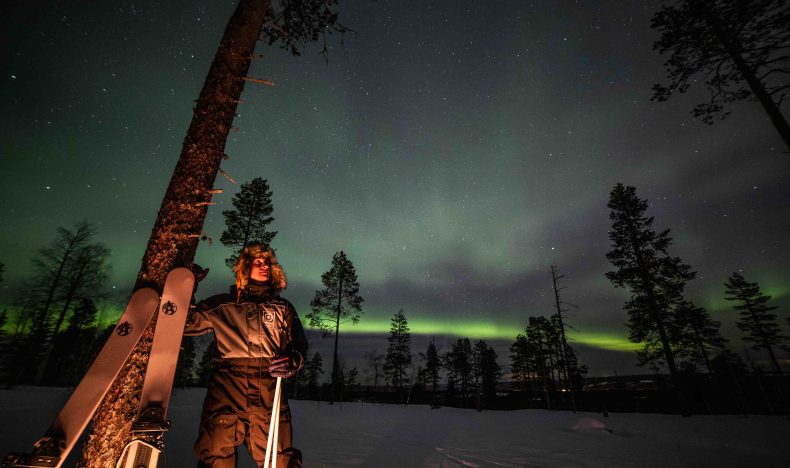
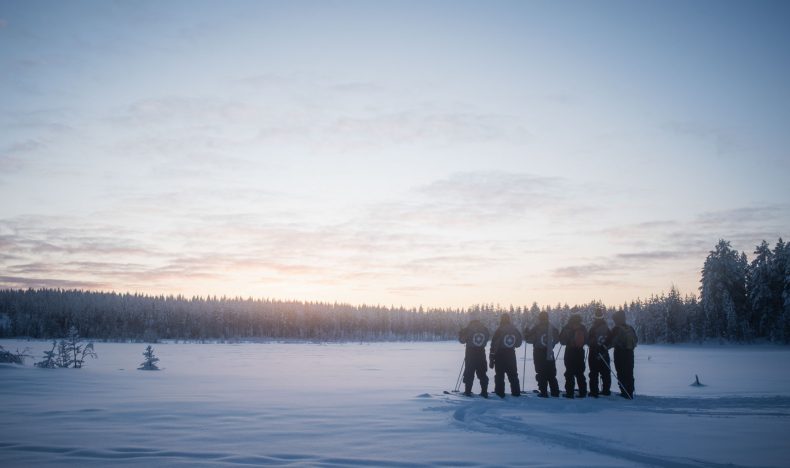
Learn the basics of backcountry skiing on a guided 3–4 km journey through peaceful forests near Rovaniemi, with photography and a relaxing campfire break along the way.
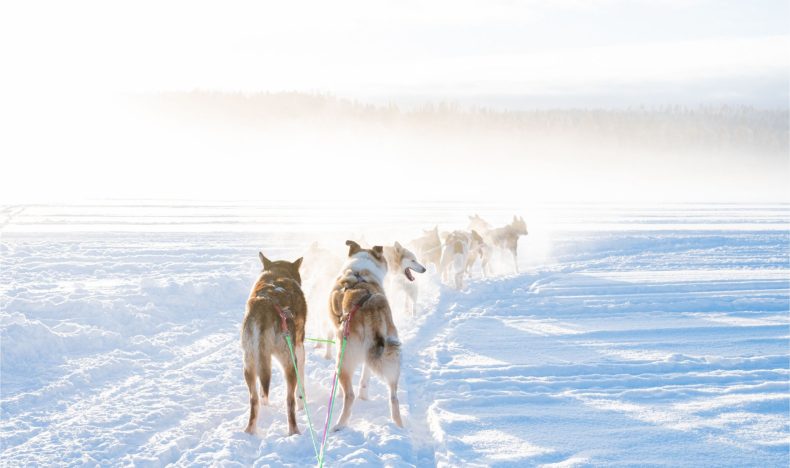
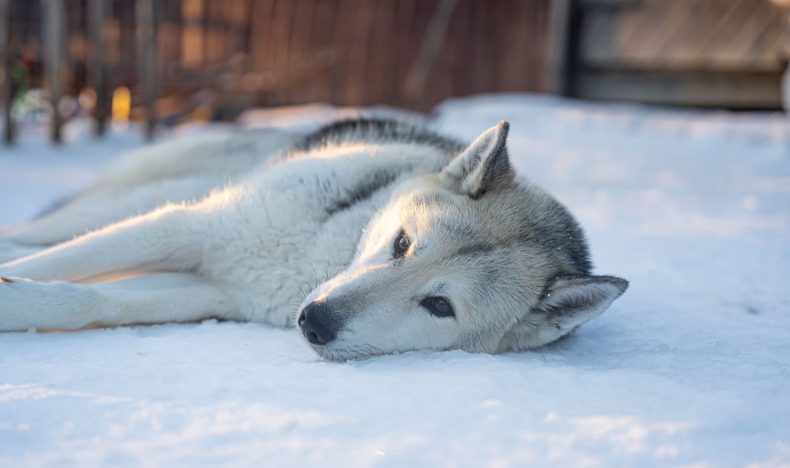
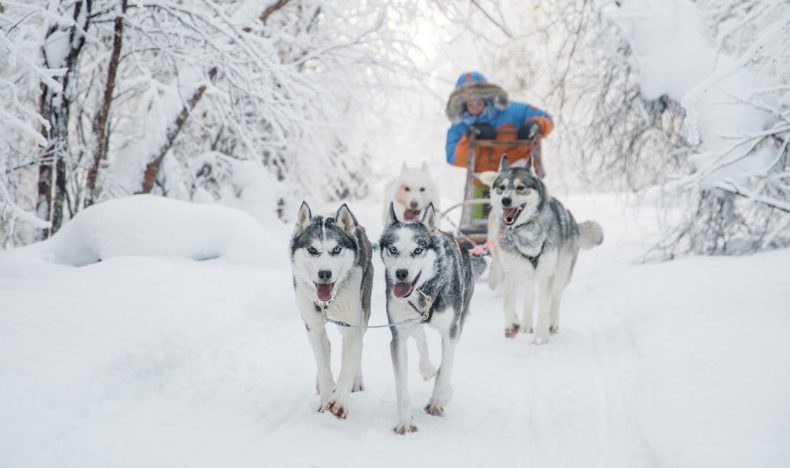
Mush your own husky team on a 12–18 km adventure through the wilderness outside Rovaniemi, then meet the dogs and enjoy stories and hot berry juice with cookies.
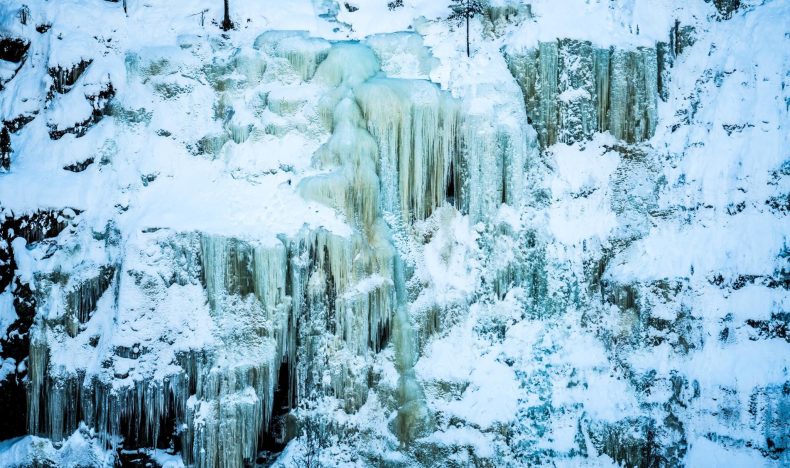
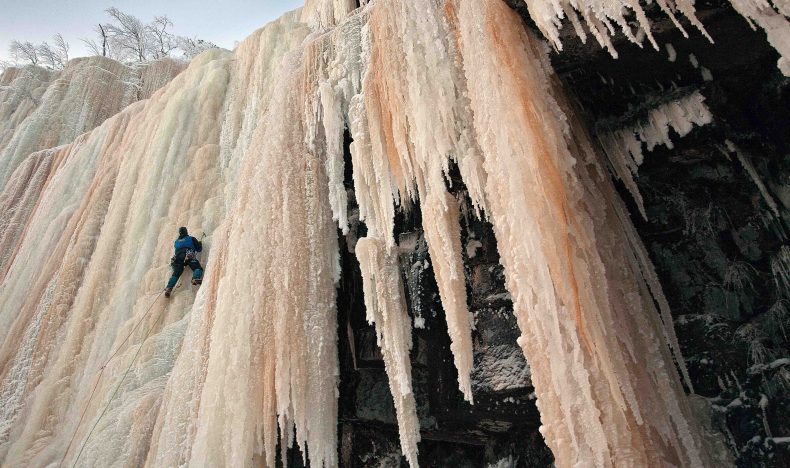
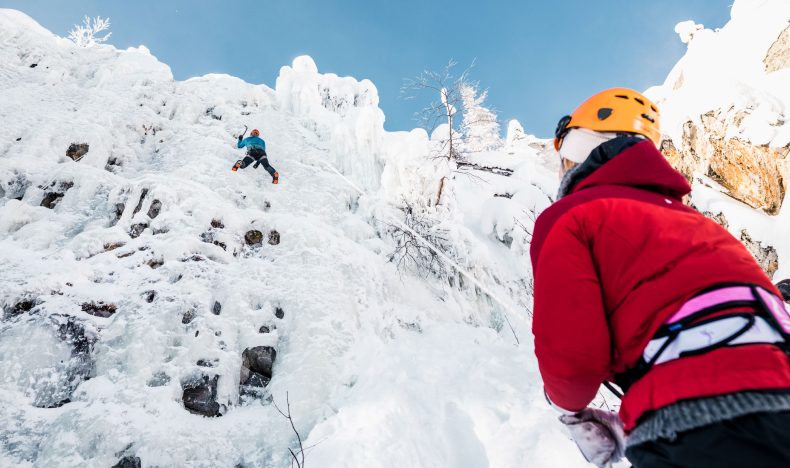
Travel from Rovaniemi to Korouoma Canyon for a full-day ice climbing adventure with a professional instructor, climbing equipment and return transportation included.
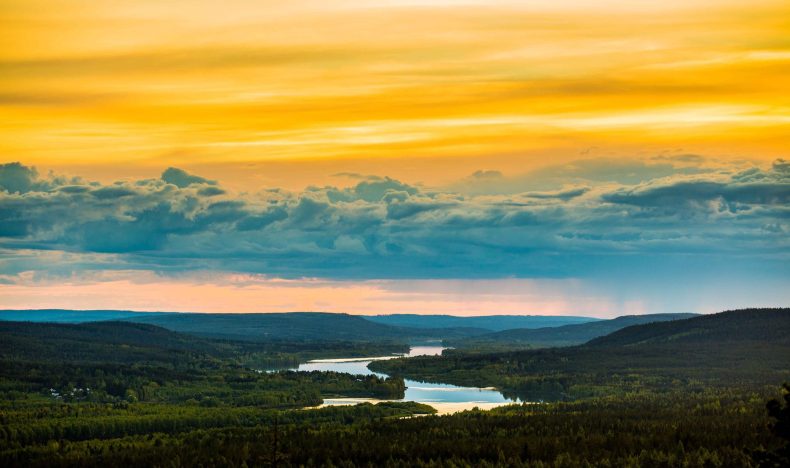
Photograph Rovaniemi's summer night light beside rivers, lakes and forests on a 3–4-hour small-group tour with camera guidance, a campfire stop and edited tour photos.
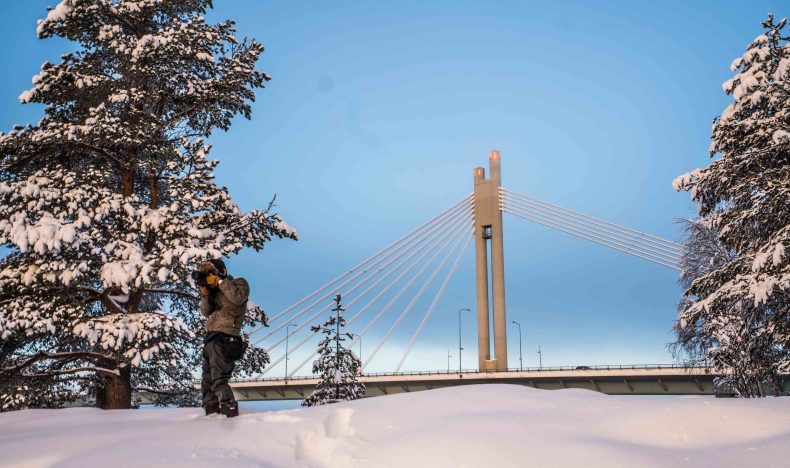
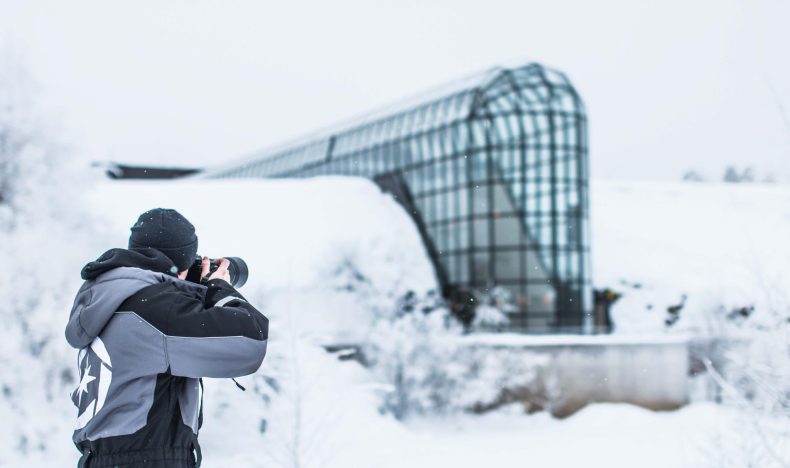
Photograph Rovaniemi's winter cityscape, frozen river and nearby snowy nature on a private 2-hour tour with a professional photographer and edited portraits.
Photograph Rovaniemi's riverside landmarks, summer light and nearby Lappish nature on a 2-hour tour with professional guidance and edited photos included.
Hunt for the Northern Lights around Levi with a professional photography guide, camera support and edited tour photos. Aurora sightings are unpredictable and cannot be guaranteed.
Ride a snowmobile through Levi's forests and frozen landscapes after dark, stopping to watch the sky and enjoy a fireside snack. Northern Lights sightings cannot be guaranteed.
Learn the basics of backcountry skiing on a small-group trip into the snowy wilderness near Levi, with specialist skis, warm clothing and photography guidance included.
Most people working out when to visit Lapland already have a picture in mind: a husky team on deep snow, green light over a frozen lake, or a river glowing orange at midnight in July. Each of those belongs to a different part of the year, so the month you choose shapes the trip far more than the hotel. We have been running small-group photography tours from Rovaniemi since 2016, and we take guests out in winter, summer and autumn alike.
In practice, Lapland gives you two very different years in one. Winter here lasts around 200 days, according to the Finnish Meteorological Institute, while in early summer the sun stays up for weeks. Everything else, from the first autumn snow to the last aurora of spring, happens in between.
Lapland by Season
Locals in Rovaniemi like to say the year has eight seasons: midwinter, snowy spring, spring, summer, harvest season, autumn colours, first snowfall and Christmas. Visit Rovaniemi describes the year that way, and it is a more useful map of the Lapland seasons than the calendar, because each stretch changes what you can do outside.
Daylight is the biggest swing. Visit Rovaniemi gives the average in Rovaniemi as about 2.5 hours in December, 8 in February, 12 in March, 24 in June and 9 in October. That one figure decides whether your day revolves around a short blue noon and a long night under the sky, or around evenings that simply keep going.
Season
Months
Daylight in Rovaniemi
Best for
Winter
December to February
about 2.5 to 8 hours
Snow, husky and reindeer sleds, northern lights, Christmas
Snowy spring
March and April
about 12 to 15 hours
Deep snow and sunshine, ice fishing, aurora until mid April
Summer
June to August
about 17 to 24 hours
Midnight sun, hiking, biking, fishing, late river evenings
Autumn
September to November
about 13 hours, falling to 5
Ruska colours, the first aurora nights, husky cart rides
Most first visits begin in Rovaniemi, since it has its own airport and sits right on the Arctic Circle. We also run tours from Levi and Pyhä-Luosto. Further north the snow tends to come earlier and lie deeper, and our weather notes put typical December snow depth at 25–50 cm in many areas, especially around Levi.
Winter (Aurora, Snow)
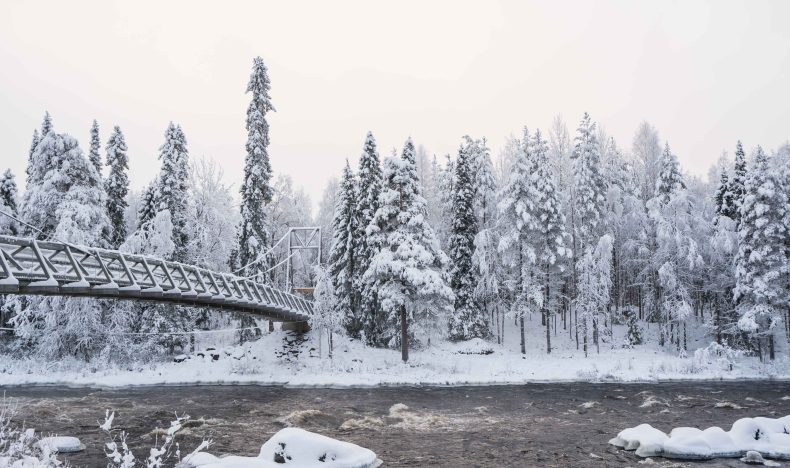
Winter arrives in stages. The first snow in Rovaniemi usually falls in late October or early November and often melts away again, while the permanent cover tends to settle in late November or early December. Years vary a great deal: in 2023 heavy snow came on 9 October and stayed until April, whereas in 2024 the permanent cover only arrived in early December. Our post When does snow come to Rovaniemi? walks through each stage.
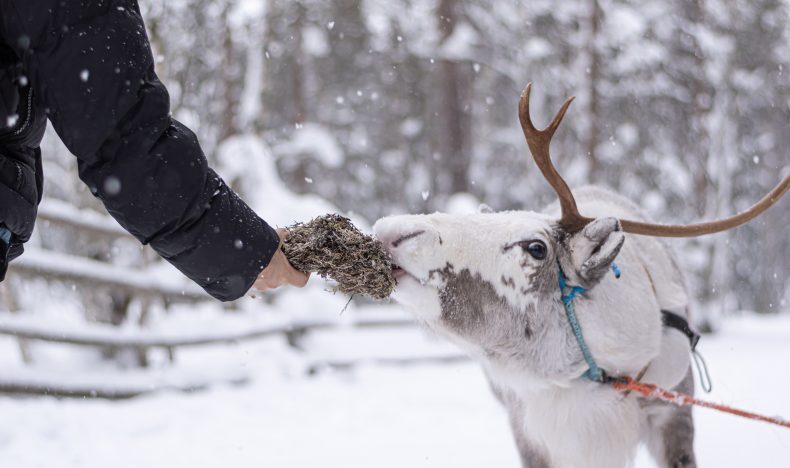
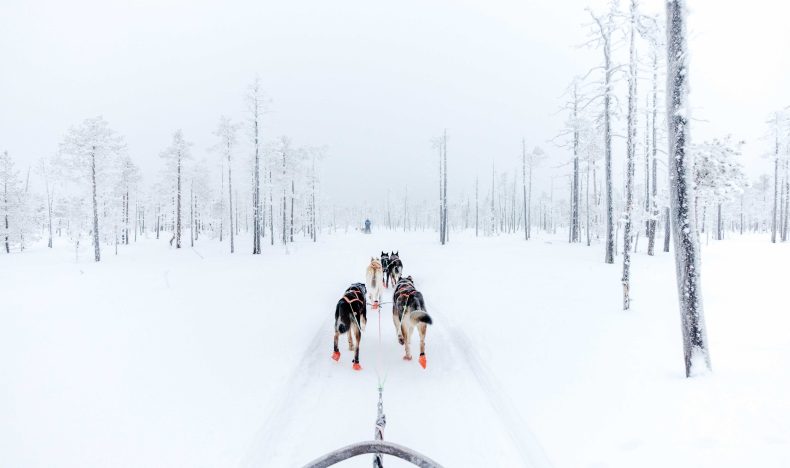
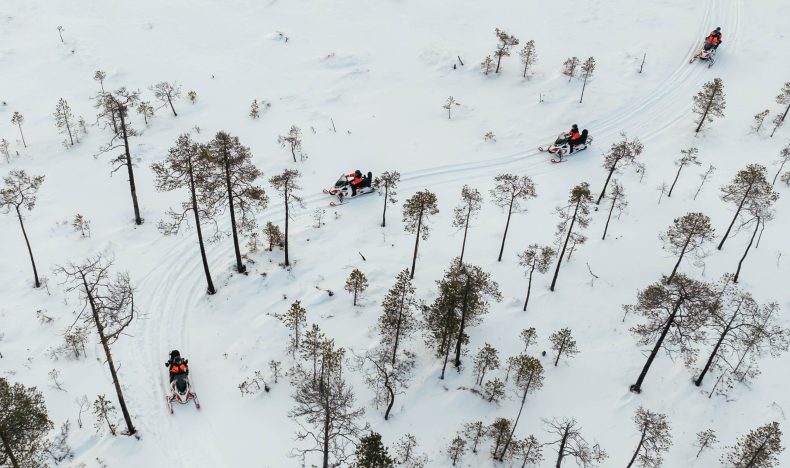
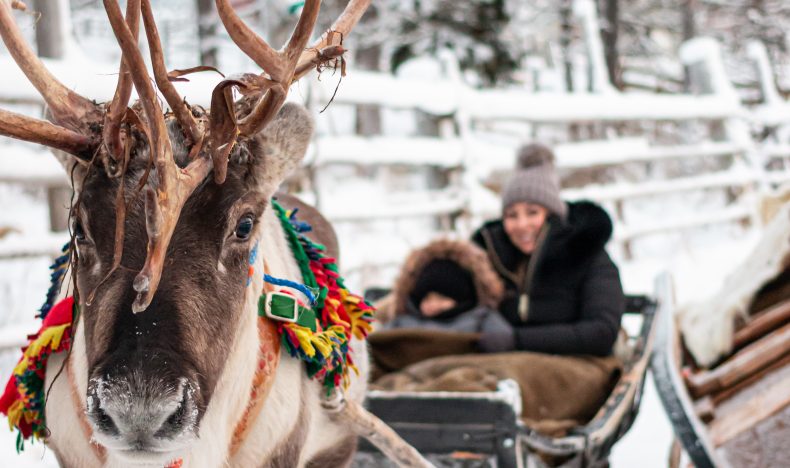
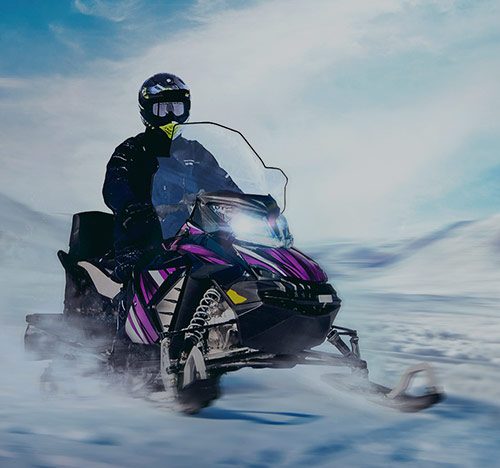
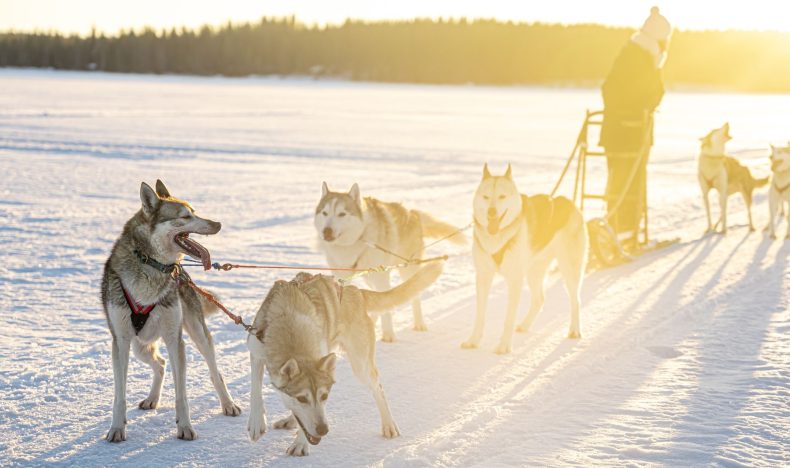
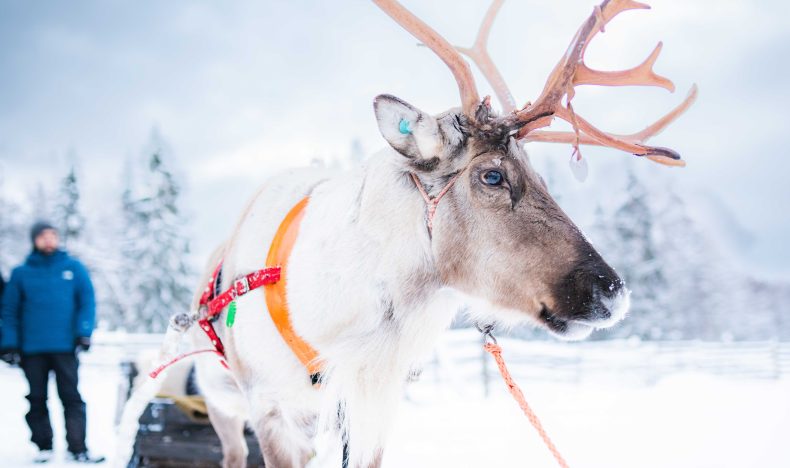
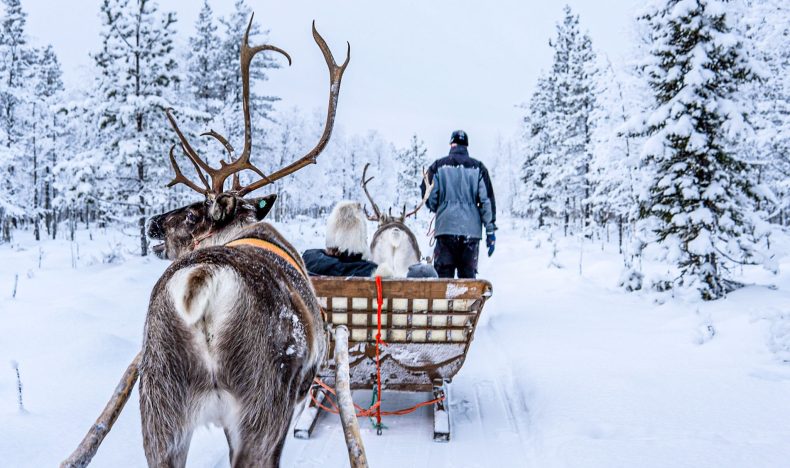
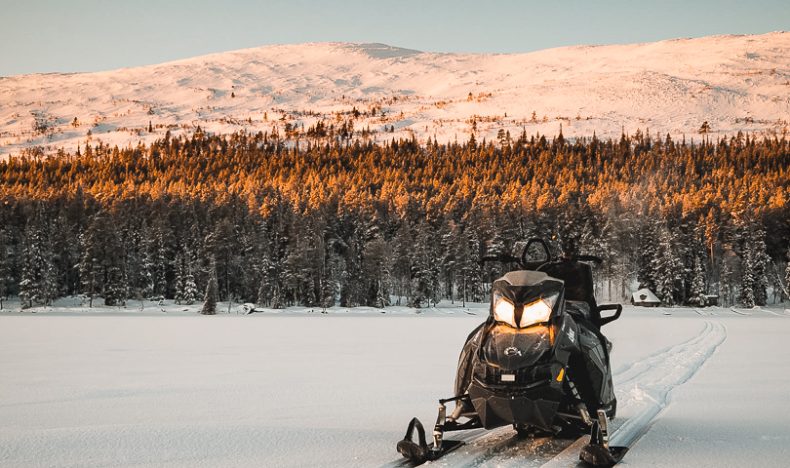
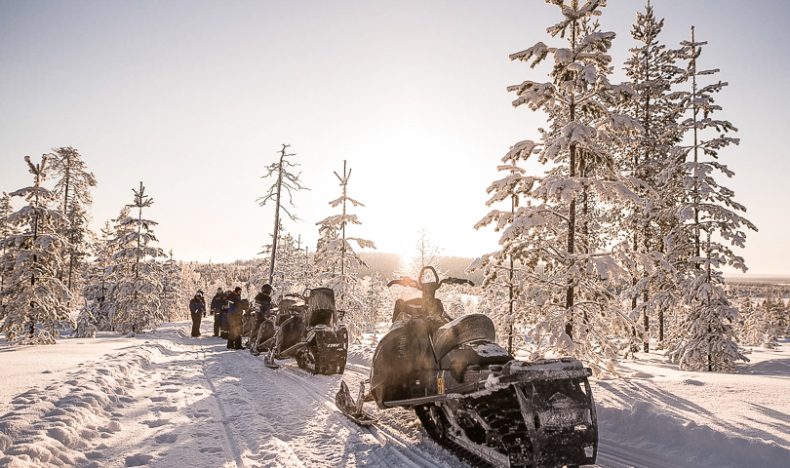
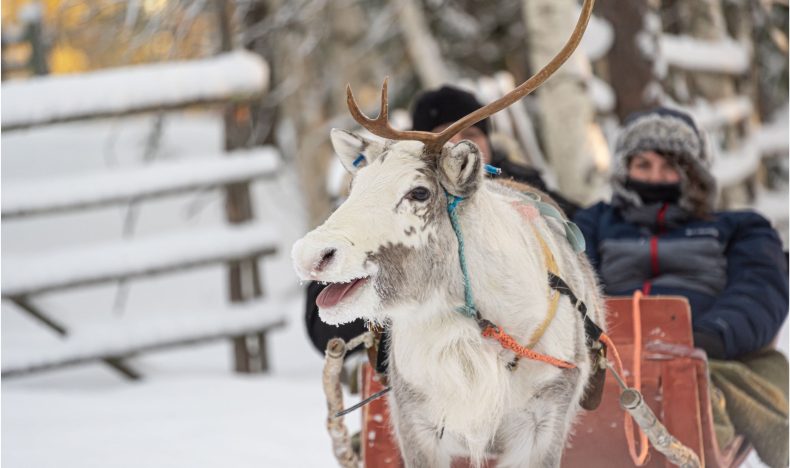
That timing matters because so many winter activities depend on it. Husky and reindeer sled rides start once the sleds can run smoothly, often by mid-December at the latest, and snowmobiling needs a firm base that usually builds from mid-December. On FMI’s 1991–2020 averages for Rovaniemi airport, the snow is about 28 cm deep in mid-December, 47 cm in mid-January and 66 cm in mid-February.
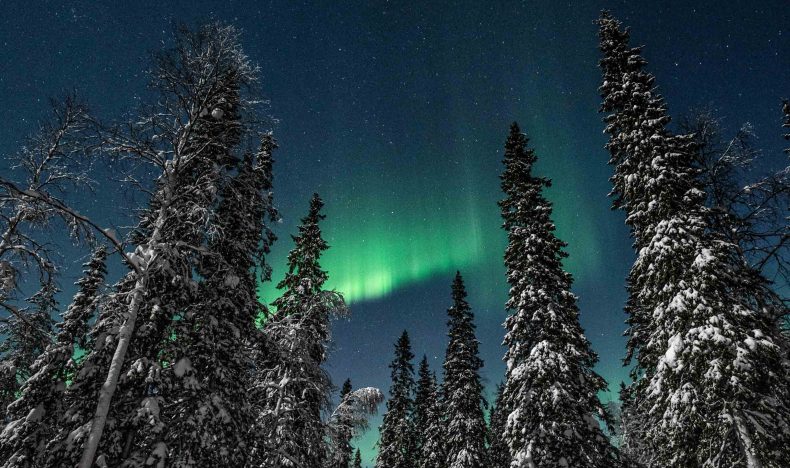
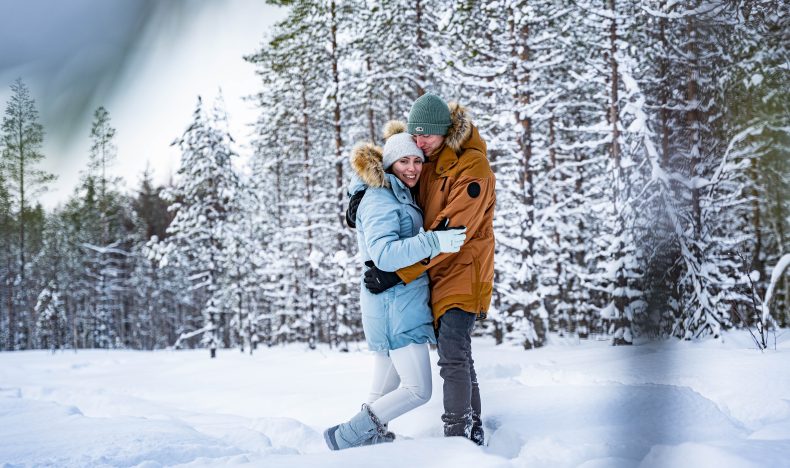
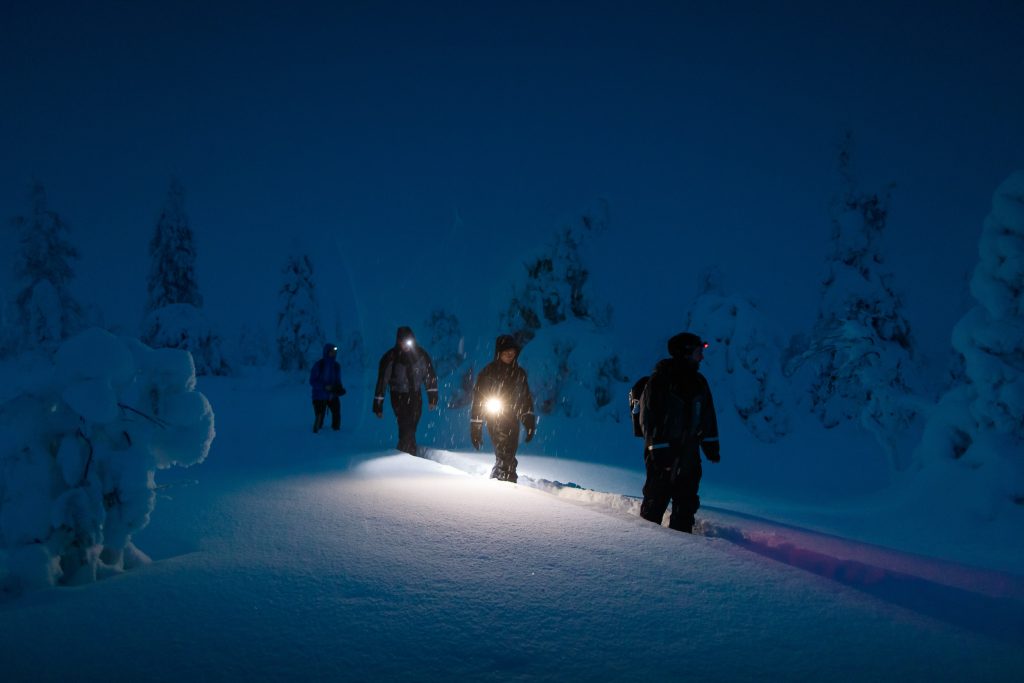
December brings the deepest darkness and the busiest weeks of the year. Around midday the snow takes on the pale blue light locals call the blue moment. The Christmas season fills Rovaniemi’s tours and hotels, so it pays to book early if you want those dates. January and February are the coldest months, both averaging about -10 °C at the airport with much colder snaps, which is why overalls, boots, a hat and gloves come included on our own winter tours.
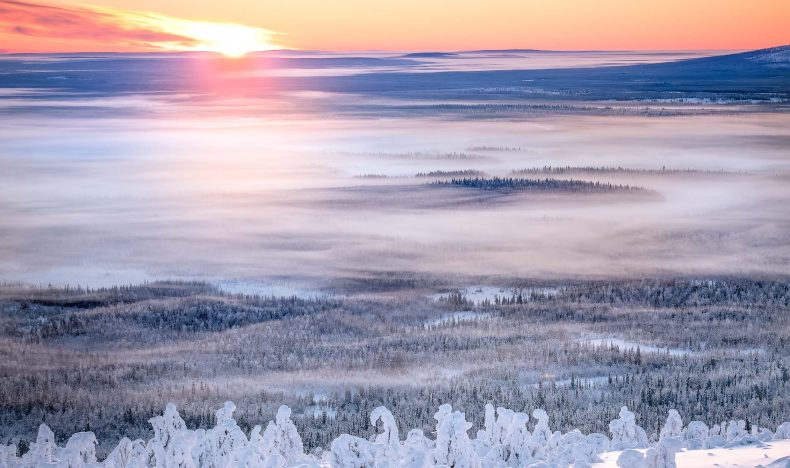
For most first visits we suggest February or early March, when you get both snow and usable daylight. February has about 8 hours of light and often clearer skies than midwinter, so you can spend the afternoon on a husky trail and still head out for the northern lights that evening. From January we also run daily afternoon departures, which lets you sleep in after a late night chasing the aurora.
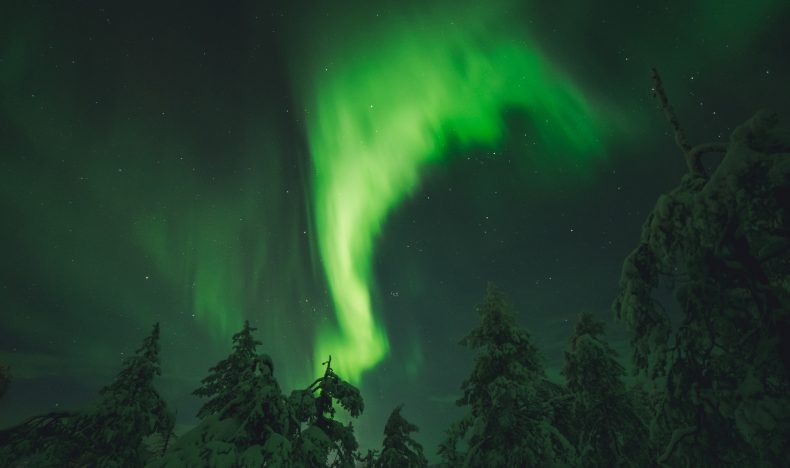
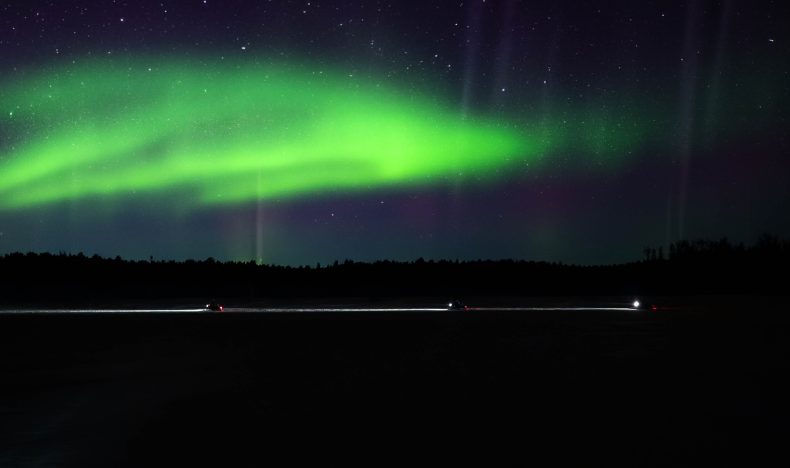
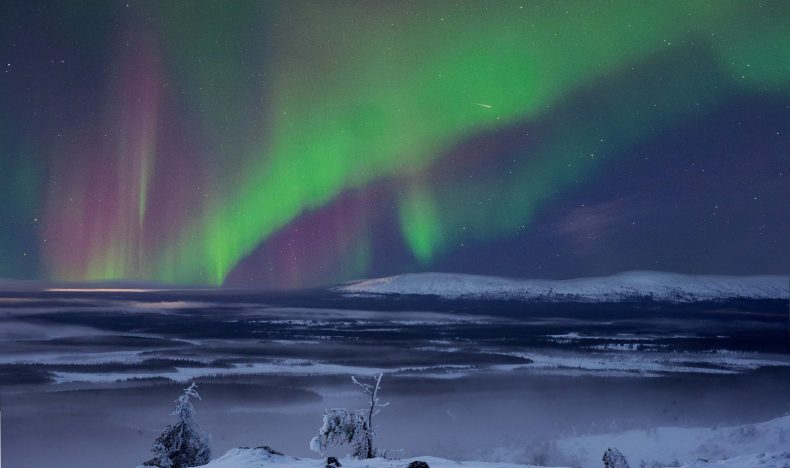
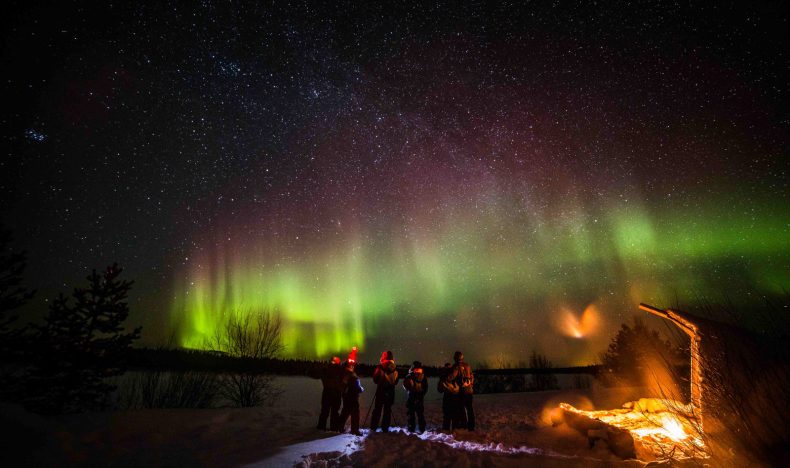
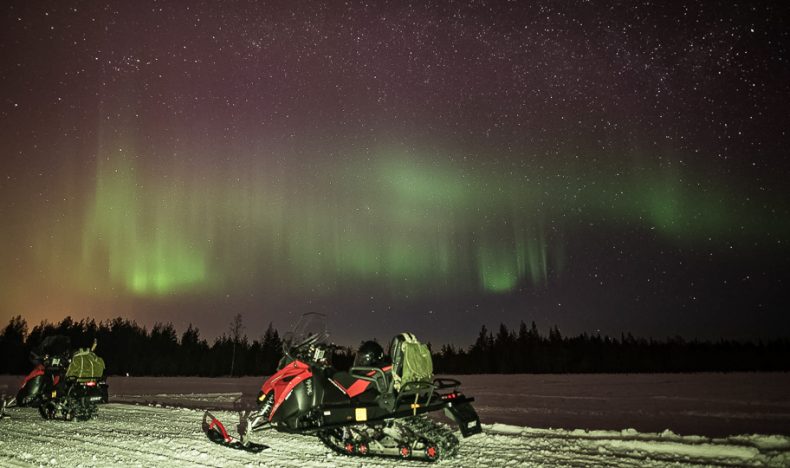
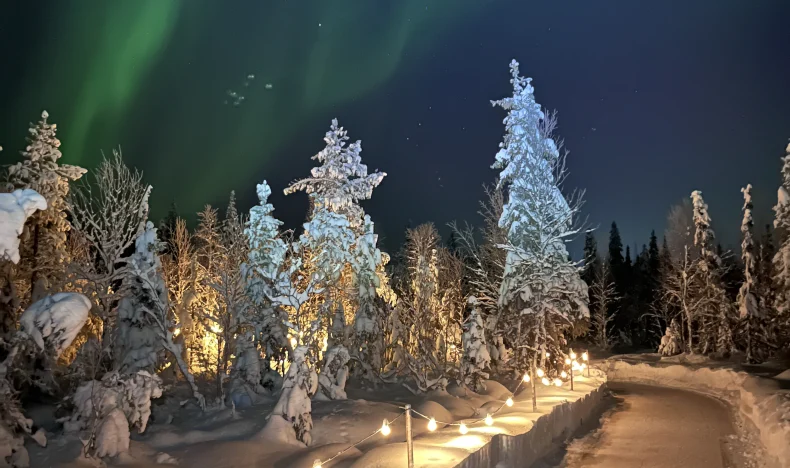
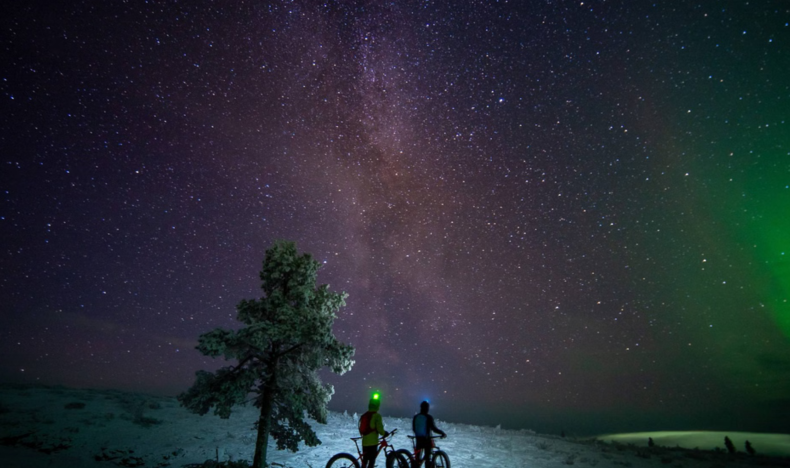
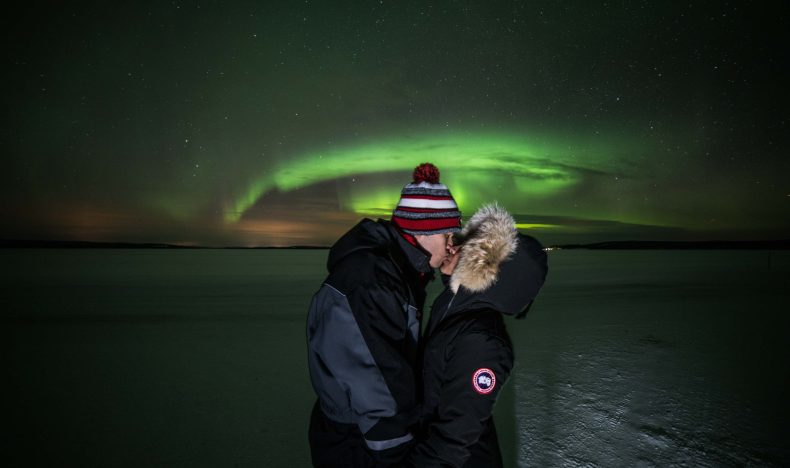
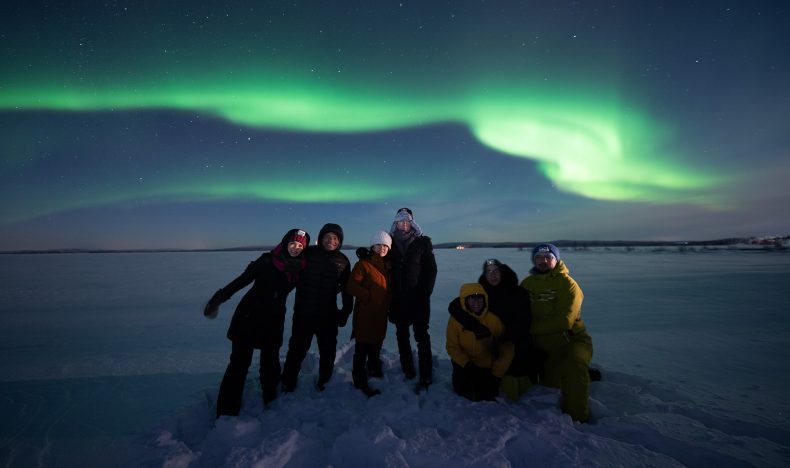
Our northern lights tour from Rovaniemi runs from 18 August to 22 April, with up to 8 guests per guide and a photographer taking the pictures. The aurora is never guaranteed, because cloud decides more nights than solar activity does, so our crew starts reading forecast models, webcams and satellite images early in the morning. At the end of October 2025, when other operators cancelled over a cloudy forecast, our guides went out anyway. They photographed green light through gaps in the cloud on three nights in a row, as we wrote in our post on guaranteed aurora tours.
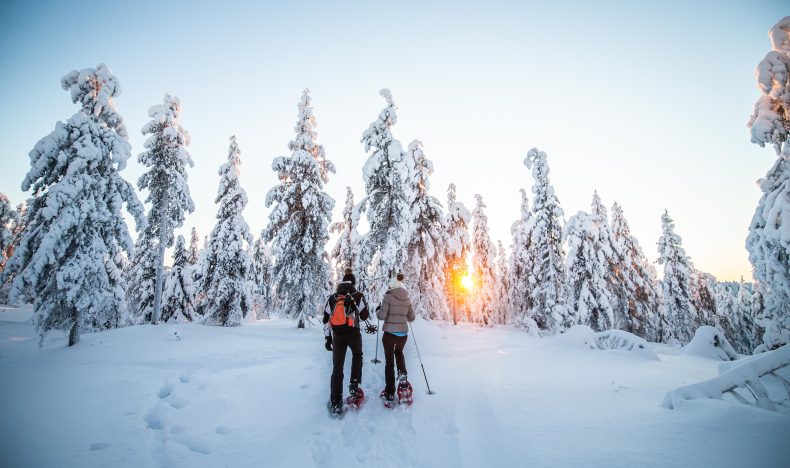
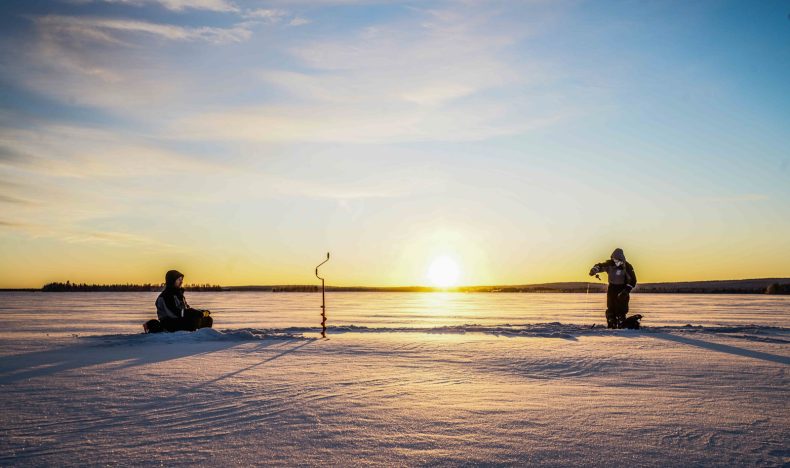
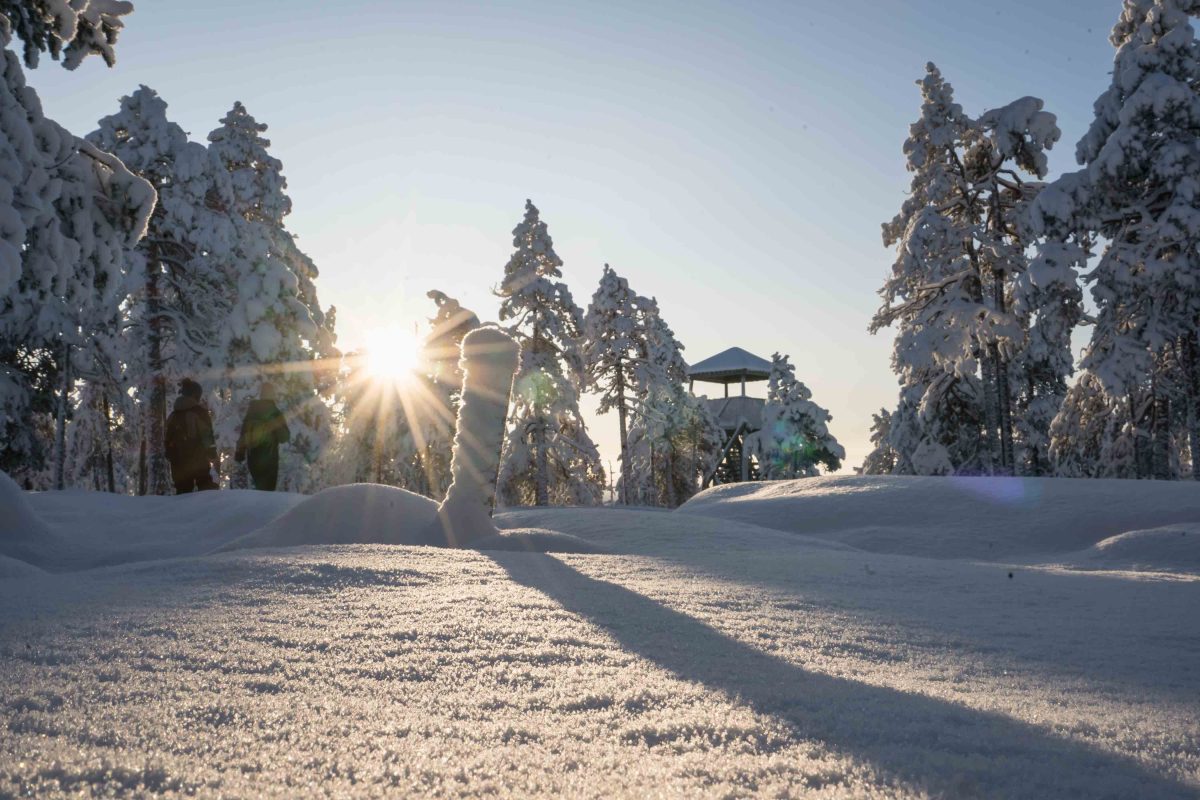
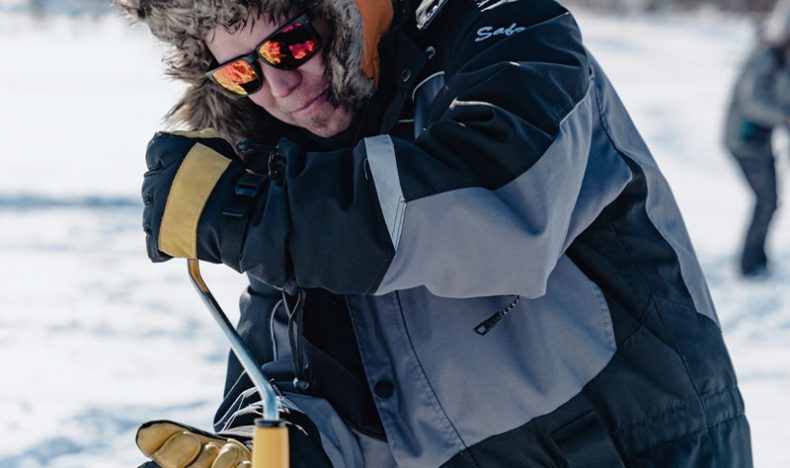
Spring comes late this far north, and March is the month that surprises people. The snow is at its deepest, around 77 cm at Rovaniemi airport in mid-March on FMI’s long-term average, yet daylight has already reached about 12 hours and the sun finally carries some warmth. Lakes and rivers are solidly frozen by then, which makes it a lovely time for ice fishing and snowshoeing. Our guide to Lapland in March explains why many locals count it among their favourite winter months.
March is also a strong month for the aurora. Clear skies are more common than in early winter and the weeks around the spring equinox tend to be active, although the dark hours shrink as the nights shorten. From 24 March our northern lights tour moves its start to 22:00 to follow the later darkness. Visit Rovaniemi puts the end of the aurora season at around mid-April, and in recent seasons the last displays came on 20 April 2022 and 26 April 2023.
April and May belong to the melt. At the airport the snow drops from about 64 cm in mid-April to about 27 cm by the end of the month, and it usually disappears in early May as the rivers break up. On the Ounasjoki, which joins the Kemijoki in Rovaniemi, drifting ice can jam and push the river over its banks. Juho Uurtamo from our team has written about the thundering sound the ice blocks make as they collide, something you only hear during the spring flood. His spring post has tips for photographing it.
Summer (Midnight Sun)
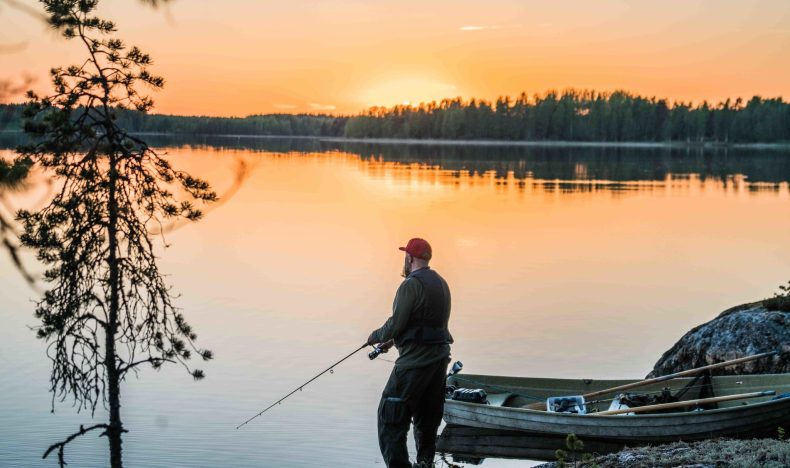
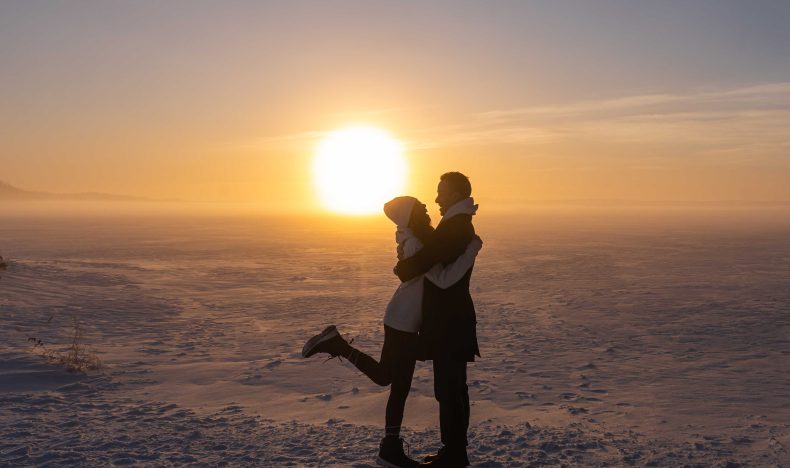
Summer is a completely different trip. In Rovaniemi the sun stays above the horizon from early June to early July, and our tour page gives the exact dates as 5 June to 6 July. July and August still bring sunsets that last for hours, with about 21 and 17 hours of daylight according to Visit Rovaniemi. July is also the warmest month, averaging around 16 °C at the airport, so this is the season for hiking, biking, fishing and staying out late.
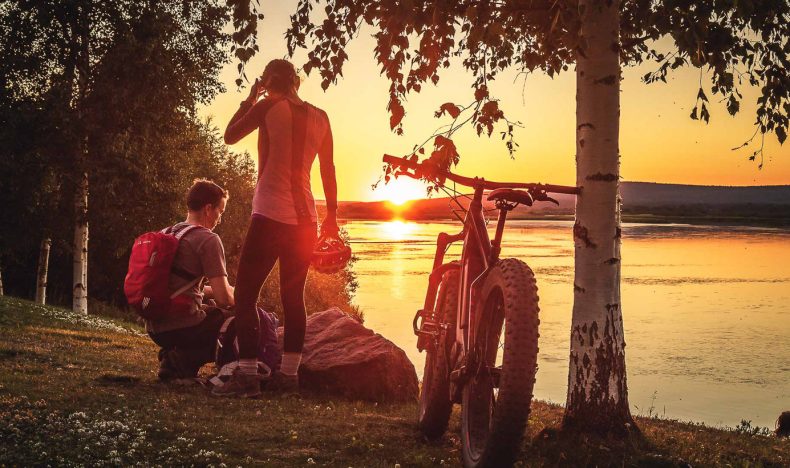
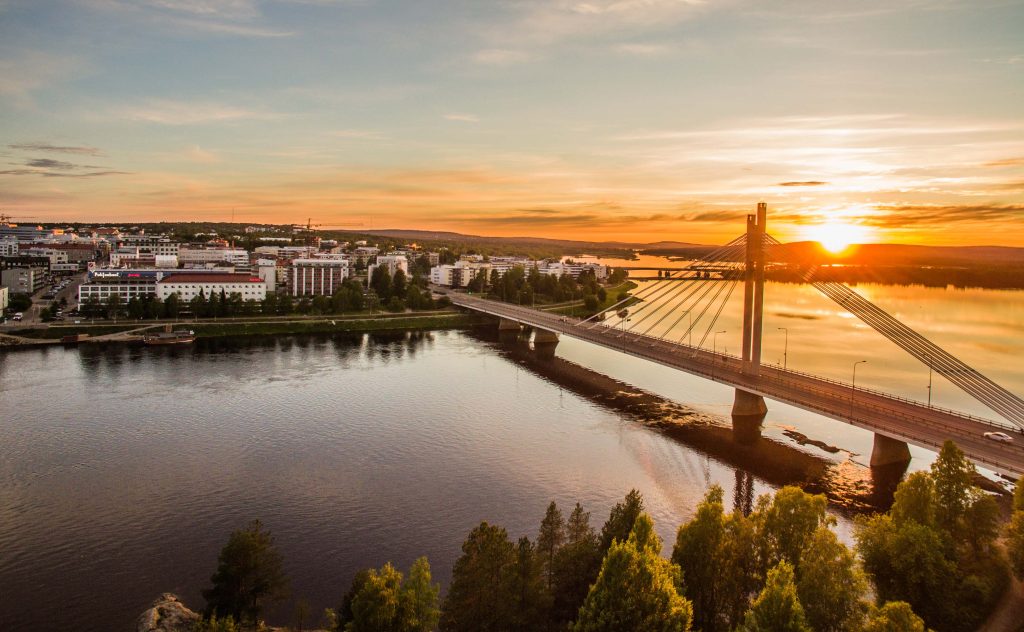
Lapland midnight sun evenings are what our Midnight Sun Photography Tour is built around. It runs every day through the summer, timed around the late-night sunset and sunrise, and carries on for about a month after the midnight sun ends because the later sunsets are worth photographing too. One stop is Koivusaari, a small island where the Kemijoki and Ounasjoki meet, with duckboards across the wetlands and a flock of sheep grazing by the banks. The evening often ends at Kuninkaanlaavu, a lean-to shelter on a hill above the river valley, with barbecue snacks by the fire whenever fire restrictions allow. Mosquito nets and repellent come with the tour, which tells you something about July in the forest.
Our founder Juho Uutela once wrote that summer is his favourite season, because night or day there is always light for photographing nature and it feels as if time has stopped. Many first-time visitors are surprised by the same thing, as we describe in The Midnight Sun Season Has Begun in Rovaniemi: as midnight comes, the shadows soften, yet the sky stays light. The full summer list, from riverside bike rides to a family nature hike with a picnic, is on our summer and autumn tours page.
Autumn (Ruska)
Autumn comes early in the north. FMI dates its start in northern Finland to around the last week of August. The nights start to darken from mid-August, and our aurora tour opens its season on 18 August, so the first northern lights and the first hint of autumn arrive almost together. Late August is berry and mushroom time in the forests, and, as we once wrote, people up here greet the returning stars like friends they have missed all summer.
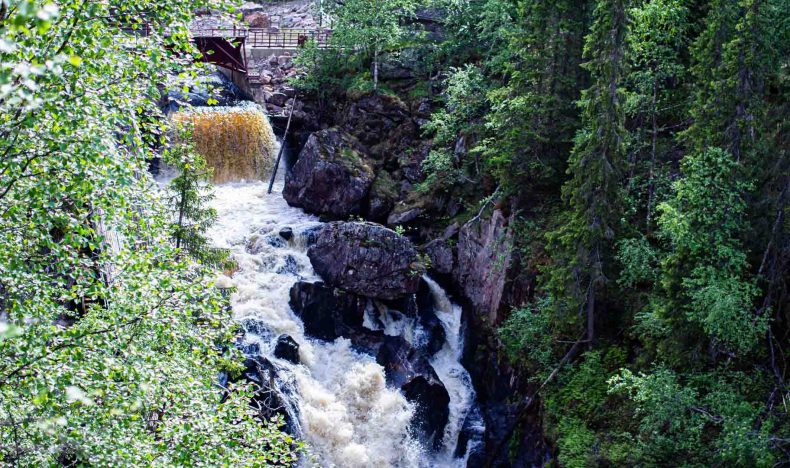
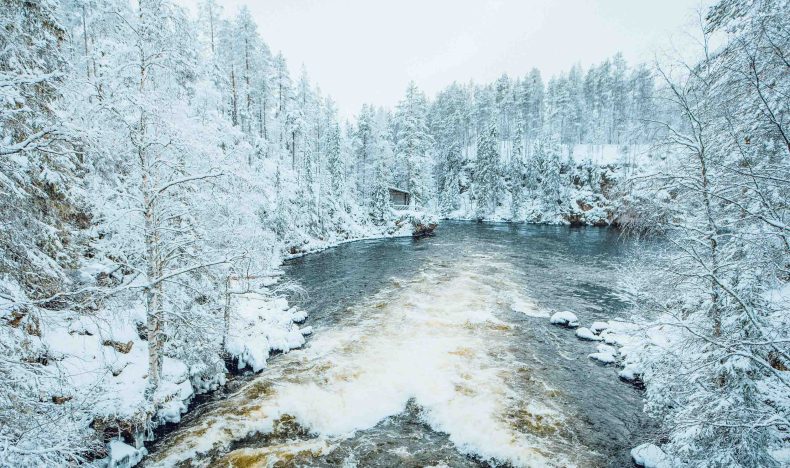
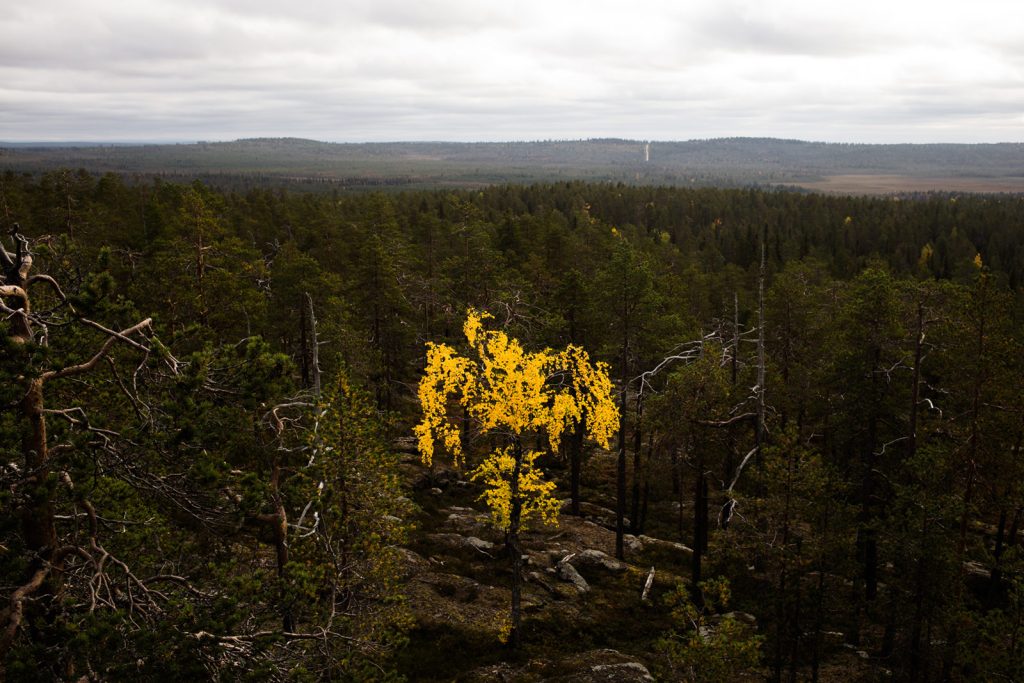
Ruska, the autumn colour, peaks at the Arctic Circle from mid-September to early October, as Juho Uurtamo explains in Autumn colours in Lapland. The change follows the shortening daylight more than the temperature, so it arrives at much the same time every year. September also brings the autumn equinox, open lakes that mirror the aurora and about 13 hours of daylight. You can spend the day on our seven-hour Korouoma Canyon and Auttiköngäs Waterfalls Adventure, which runs until 30 October, and still watch the sky at night.
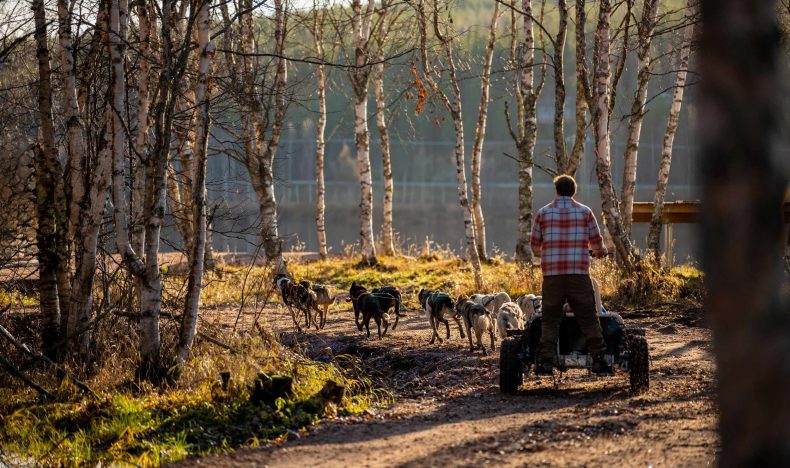
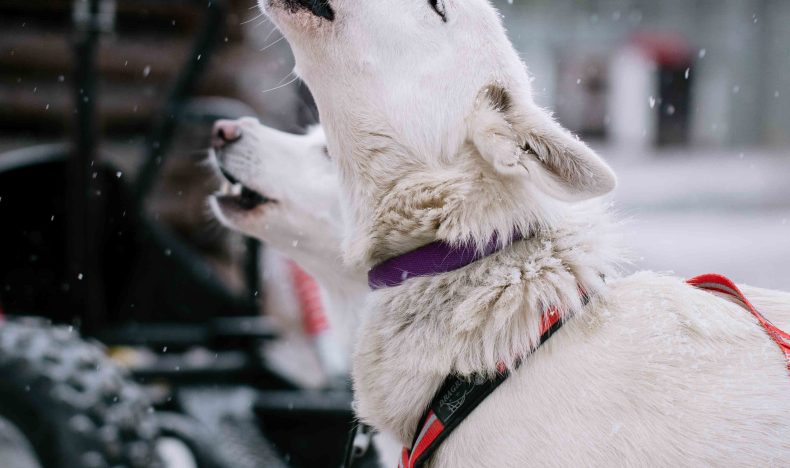
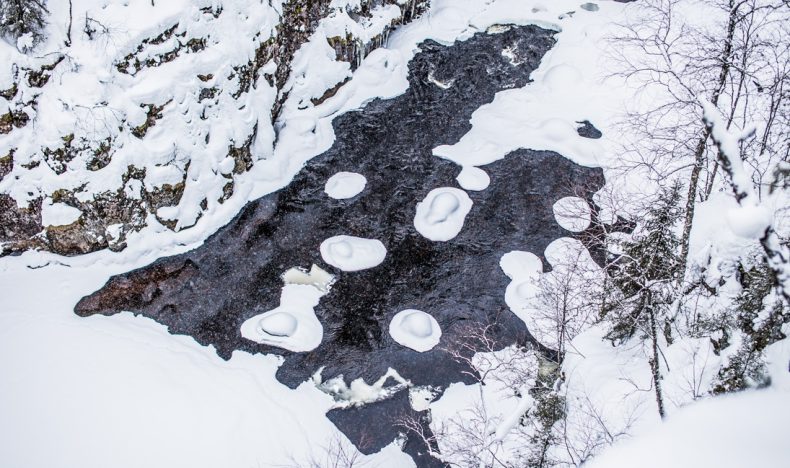
October and November are the in-between months. The first snow comes and goes, lakes start to freeze and cloud can hang around for days, yet the nights are long, and in November the new lake ice can make a strange singing sound. Our Autumn Husky Experience runs from 1 October to 15 November. You ride three kilometres as a passenger in a husky cart on wheels and meet the dogs of a local musher family. Once the snow sets in, the cart is swapped for a sled.
Best for Each Experience
Once you know what you most want to see, the best time to visit Lapland more or less picks itself.
Northern lights: mid-August to mid-April, with February, March and late September often the most rewarding. Give yourself several nights and book the first tour early in your stay, so a cloudy evening still leaves room to try again.
Snow, sleds and snowmobiles: mid-December to early April, with March bringing the deepest snow and the longest days.
Huskies before the snow: the autumn cart ride from 1 October to 15 November.
Midnight sun: early June to early July, with long sunsets through July and August.
Ruska colours: mid-September to early October.
Hiking, biking and fishing: June to August for our bike rides and fishing trips, while the family nature hike and Korouoma run on into October.
Santa Claus Village: you can visit Santa in Rovaniemi every day of the year, and Christmas is by far his busiest time.
Families: the midnight sun tour and the autumn husky ride are open to all ages, and our northern lights tour starts at age 8, with a private option for families with younger children.
If you are still weighing up two months, tell us what you most want to see and how many nights you have, and we will suggest a combination that fits. You can reach our Rovaniemi team by phone or WhatsApp on +358 50 323 1090 or at contact@beyondarctic.com, and our Levi team on +358 40 128 0766 or at levi@beyondarctic.com.
Frequently Asked Questions
What is the best time to visit Lapland for a first trip?
For snow plus daylight, we usually suggest February or March, with deep snow, 8 to 12 hours of light and dark nights for the aurora. For the midnight sun, come between early June and early July. For autumn colours and the first northern lights, aim for September.
When is the best time to visit Rovaniemi for northern lights?
The best time to visit Rovaniemi for the aurora is between mid-August and mid-April, and February, March and late September are often the most rewarding stretches. A clear sky matters more than the date, so plan several evenings with a guide who can drive away from the city lights and the cloud.
Can I see snow and the midnight sun on the same trip?
In Rovaniemi the two belong to different seasons. The snow usually melts in early May and the midnight sun begins in early June, so you would have to choose. A late March or April visit is the closest compromise, with deep snow and 12 to 15 hours of daylight.
Is November a good month to visit Lapland?
November suits travellers who like quiet weeks and moody light. The nights are long, the first snow is arriving and the autumn husky cart rides run until 15 November. Cloud tends to linger and the snow can come and go, so for a full winter landscape December or later is the safer choice.
Do you run tours in summer and autumn as well as winter?
Yes. Our summer and autumn programme in Rovaniemi includes the Midnight Sun Photography Tour, riverside bike rides, a fishing trip, a family nature hike, Korouoma Canyon, Ranua Wildlife Park and a reindeer farm visit. The husky cart rides start in October.
How many nights should I book?
If the northern lights are a priority, give yourself as many nights as you can, ideally close to a week, because guests on two-night stays are the ones most often caught out by cloud. Booking your aurora tour for the first evenings of your stay leaves room to go again.
Should I visit Levi or Rovaniemi, and does the month change that?
Rovaniemi is a town on the Arctic Circle with its own airport and our widest year-round programme, including most of the summer and autumn tours. Levi is a fell resort further north and a base for hiking and skiing in the fells, with snow that often lies deeper in early winter. We run tours in both, as well as in Pyhä-Luosto, so the choice comes down to whether you prefer a town base or a fell village.
Juho is a true explorer who is always seeking for the next adventure. With more than a decade of experience in demanding hikes, mountain climbs and remote destinations around the world, Juho wanted to combine the explorer's spirit with his passion for photography. Beyond Arctic was born.
One of the more memorable sights visible in the winter sky in Rovaniemi doesn’t always mean the Northern Lights. During the darkest parts of the winter in December and January you will have the chance to see something uniquely beautiful, which social media users have taken to affectionately calling “cotton candy sky”.
When planning a trip to Finnish Lapland, you'll find no shortage of excursions to choose from. You will also quickly notice that some of the most popular experiences are available in two different formats – especially when it comes to Northern Lights tours.
Early summer has arrived in Finnish Lapland, and with it comes one of the region’s most distinctive natural phenomena: the Midnight Sun. In Rovaniemi, the official Midnight Sun period begins in early June and continues until early July, when the sun remains above the horizon around the clock. When you visit Rovaniemi and Lapland at this time of year, you get a chance to experience the landscape in a completely different light – pun intended!

 Top Seller
 Beyond Originals
 Rovaniemi 145 € / person