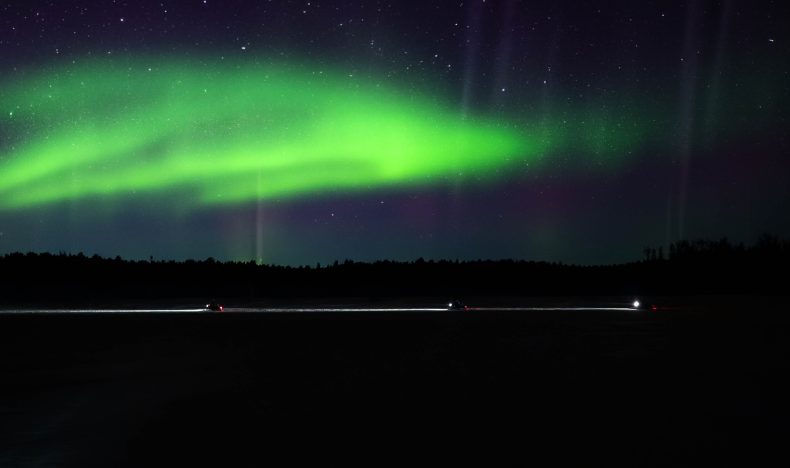
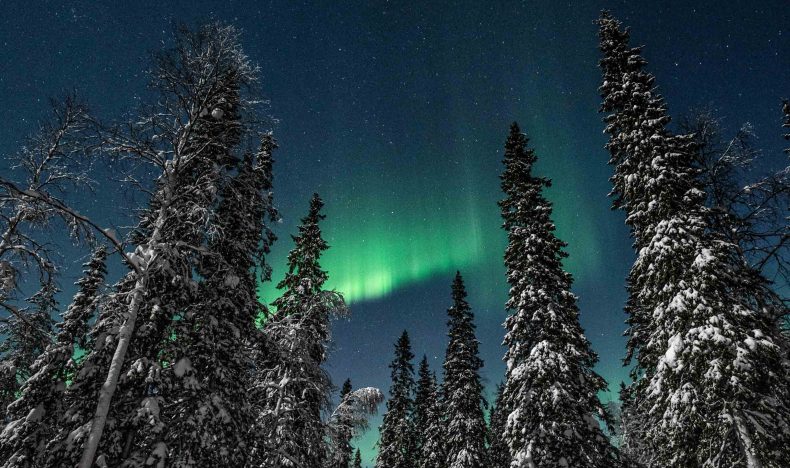
Hunt for the Northern Lights with your own group and a professional photographer, with a private location, flexible timing and professionally edited photos.
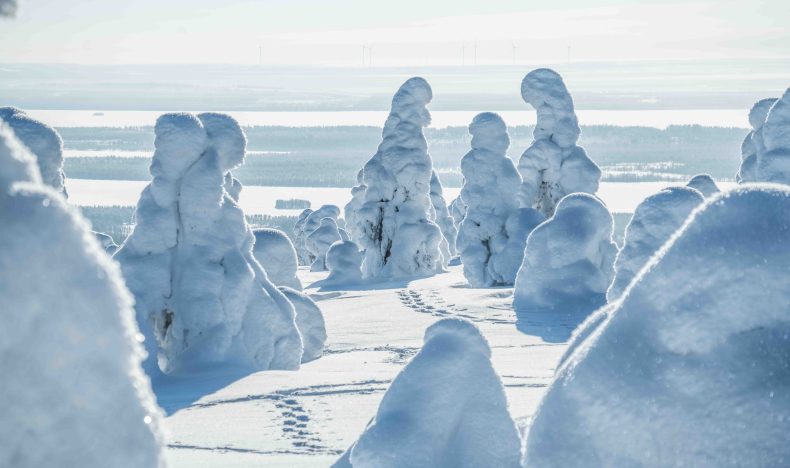
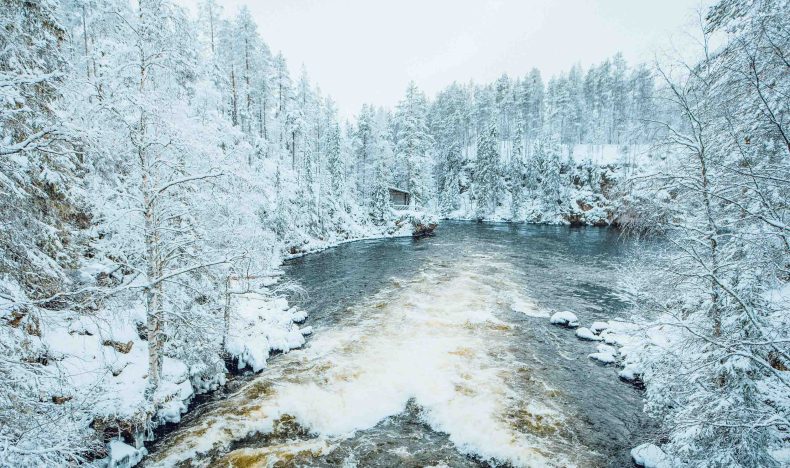
Explore Riisitunturi's snow-covered fells on an 8–9-hour small-group winter expedition with photography stops, a light campfire lunch and a 4–5 km route.
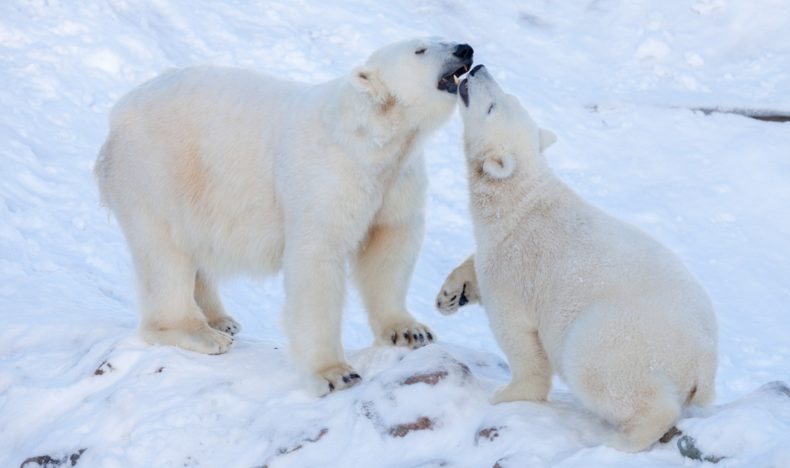
Visit Ranua Wildlife Park, home to more than 50 Arctic animal species, on a 5-hour tour from Rovaniemi with photography guidance and edited tour photos.
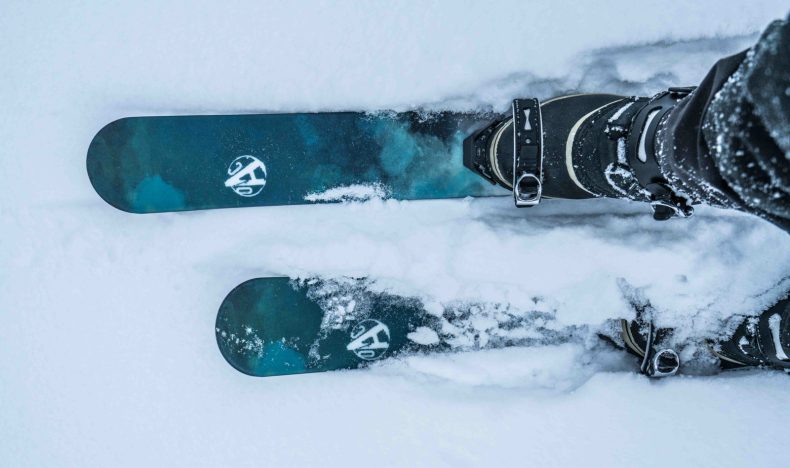
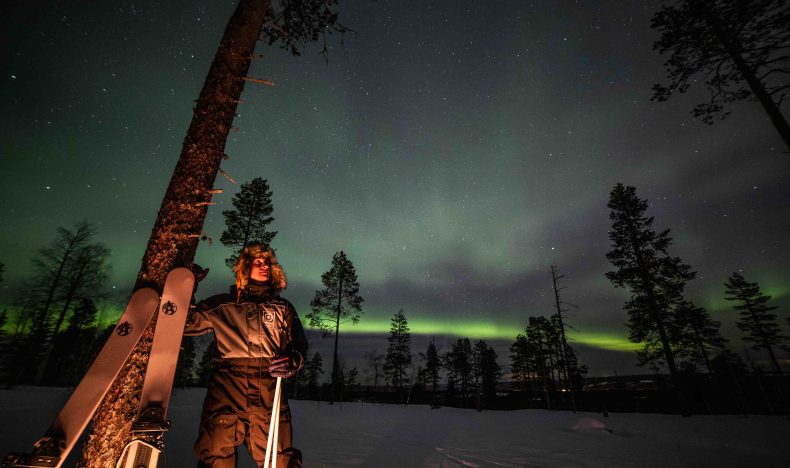
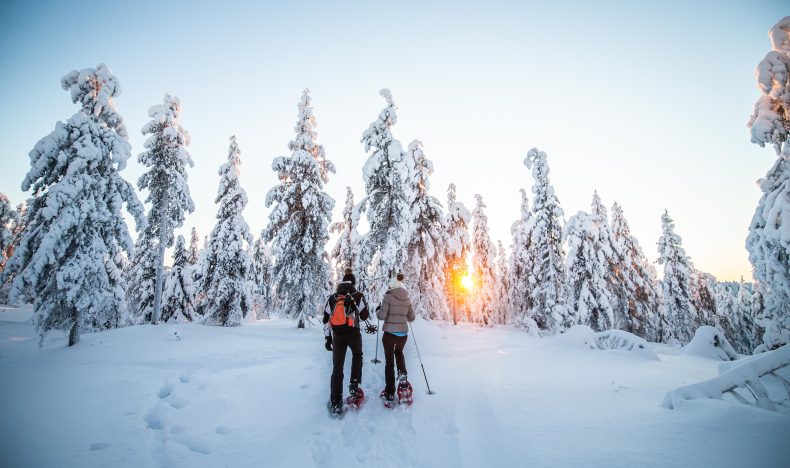
Learn the basics of backcountry skiing on a guided 3–4 km journey through peaceful forests near Rovaniemi, with photography and a relaxing campfire break along the way.
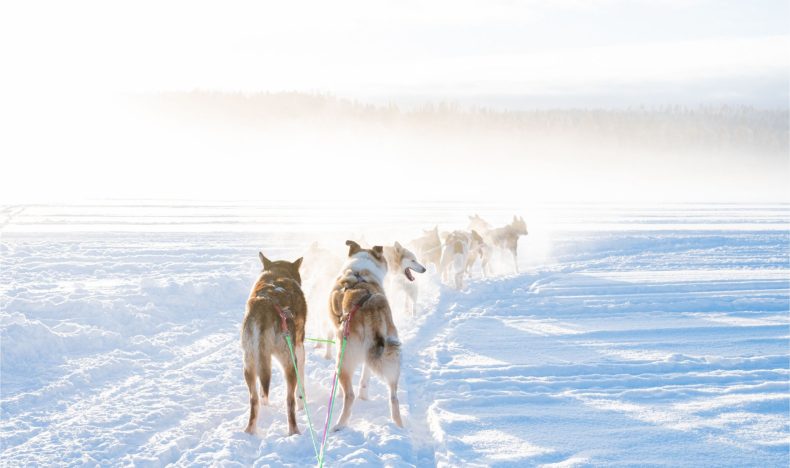
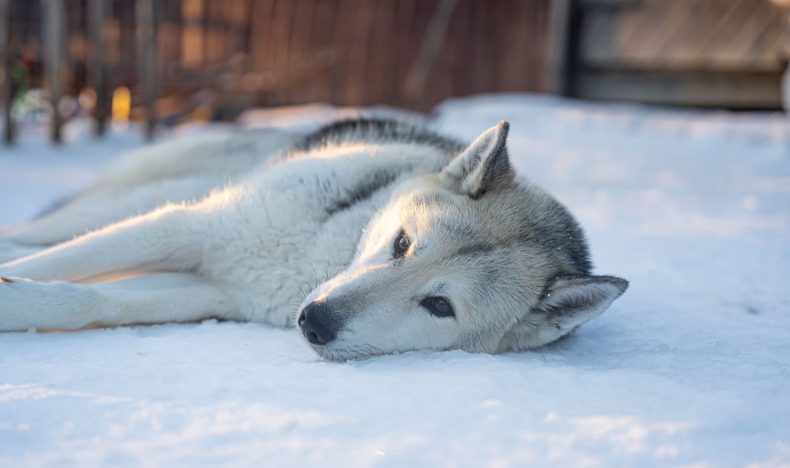
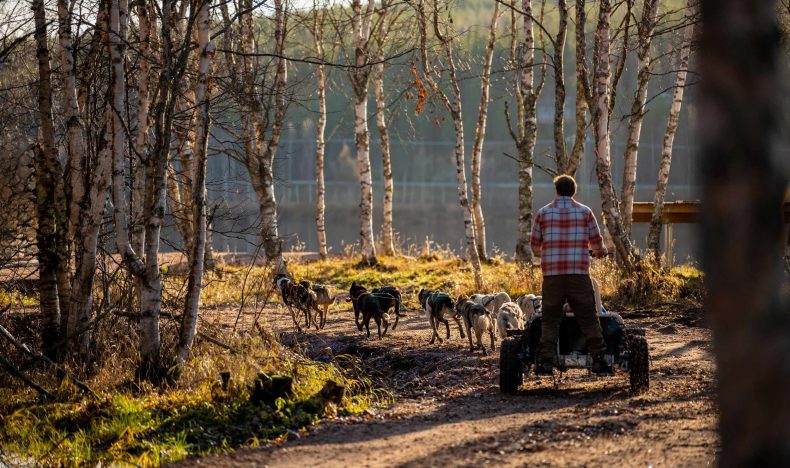
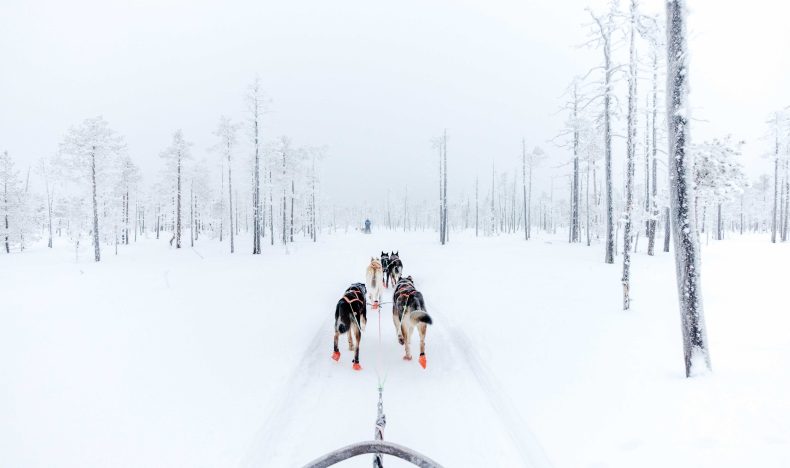
Mush your own husky team on a 12–18 km adventure through the wilderness outside Rovaniemi, then meet the dogs and enjoy stories and hot berry juice with cookies.
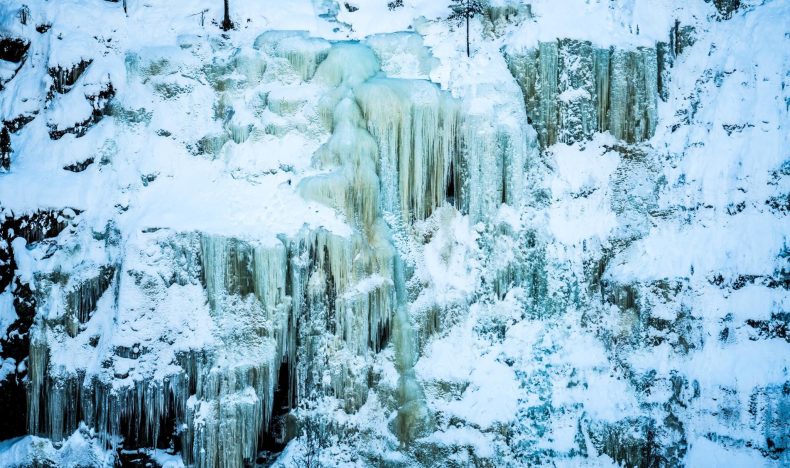
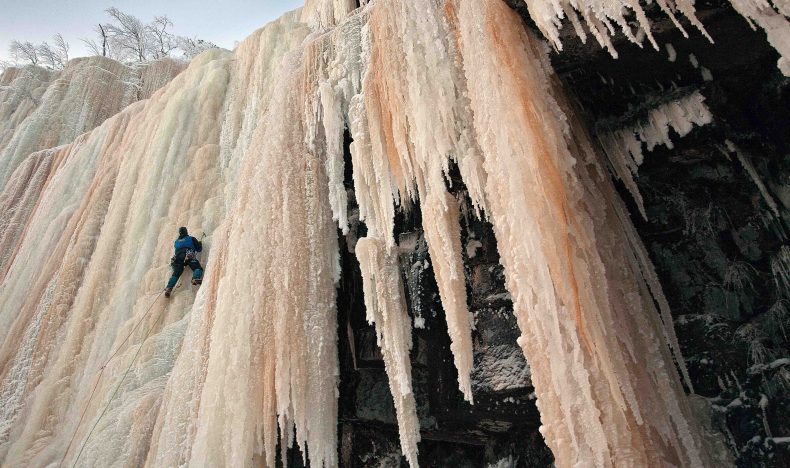
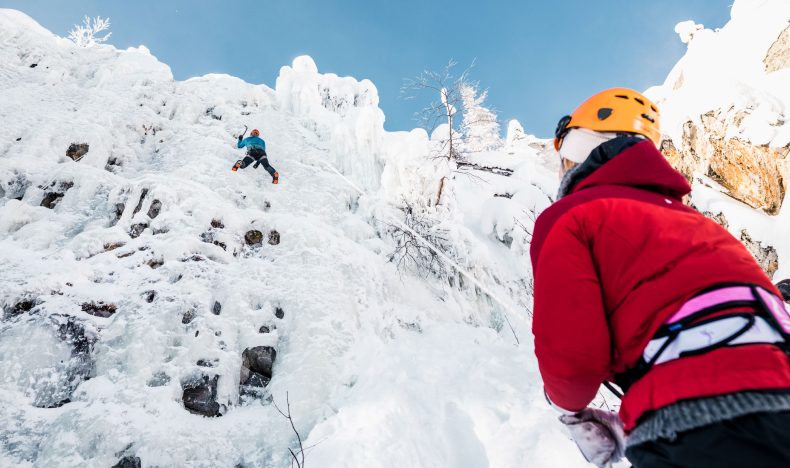
Travel from Rovaniemi to Korouoma Canyon for a full-day ice climbing adventure with a professional instructor, climbing equipment and return transportation included.
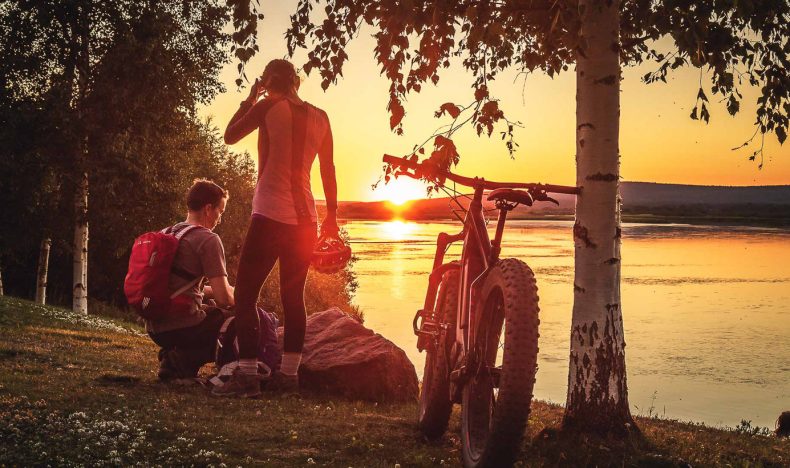
Photograph Rovaniemi's summer night light beside rivers, lakes and forests on a 3–4-hour small-group tour with camera guidance, a campfire stop and edited tour photos.
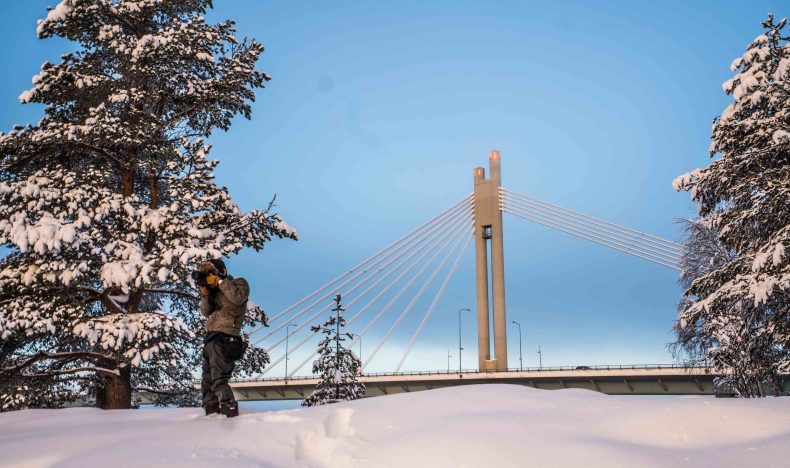
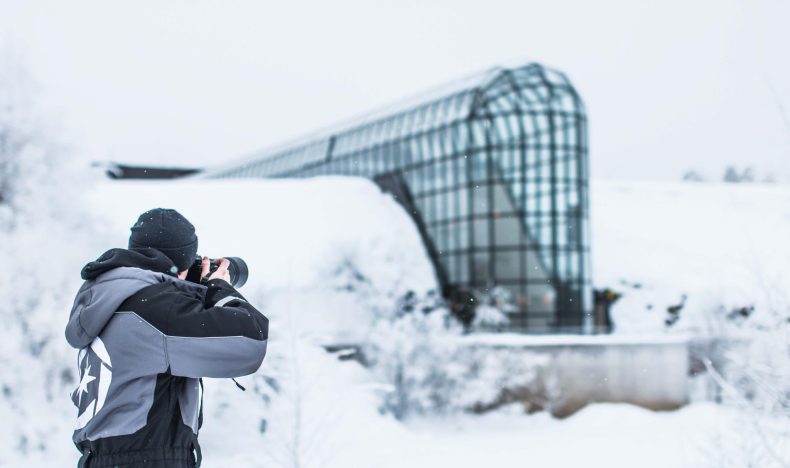
Photograph Rovaniemi's winter cityscape, frozen river and nearby snowy nature on a private 2-hour tour with a professional photographer and edited portraits.
Photograph Rovaniemi's riverside landmarks, summer light and nearby Lappish nature on a 2-hour tour with professional guidance and edited photos included.
Hunt for the Northern Lights around Levi with a professional photography guide, camera support and edited tour photos. Aurora sightings are unpredictable and cannot be guaranteed.
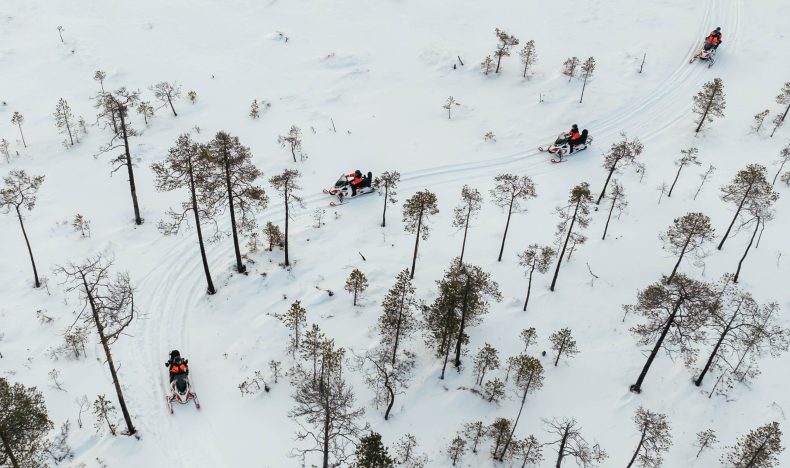
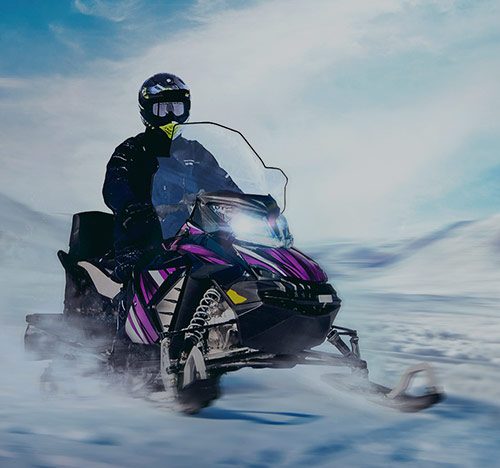
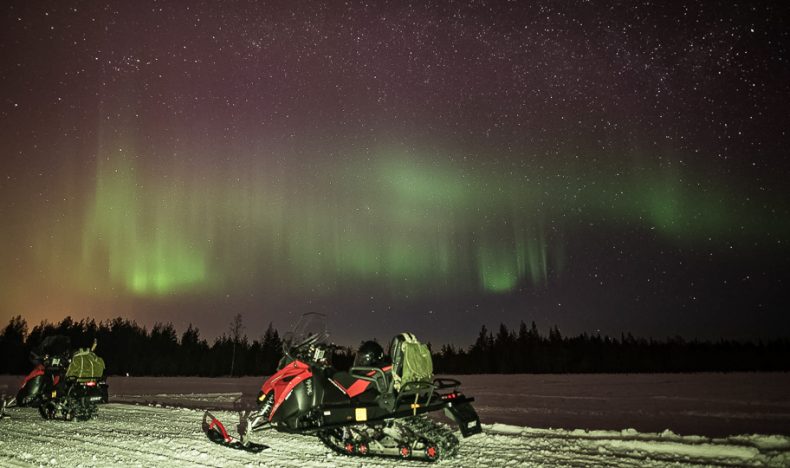
Ride a snowmobile through Levi's forests and frozen landscapes after dark, stopping to watch the sky and enjoy a fireside snack. Northern Lights sightings cannot be guaranteed.
Learn the basics of backcountry skiing on a small-group trip into the snowy wilderness near Levi, with specialist skis, warm clothing and photography guidance included.
Working out what to pack for Lapland in winter is mostly about layers you can open and close, and about keeping your fingers, toes and ears warm. A winter day in Rovaniemi or Levi moves between long spells outdoors and short breaks in a warm minivan or a kota. The temperature can also fall further during a single evening tour, so your clothes need to keep up while you stand by a frozen lake and watch the sky.
The cold is easy to put into numbers. At Rovaniemi airport the average temperature in both January and February is -10.3 °C, and on about 20 nights each January the minimum drops below -10 °C, according to the Finnish Meteorological Institute’s 1991–2020 statistics. The lowest January reading there in that period was -38.1 °C, in 1999. We sometimes head out in -25 to -30 °C, and at those temperatures good clothing is a matter of safety. That is why your guide talks through the weather and the right amount of clothing before the group leaves.
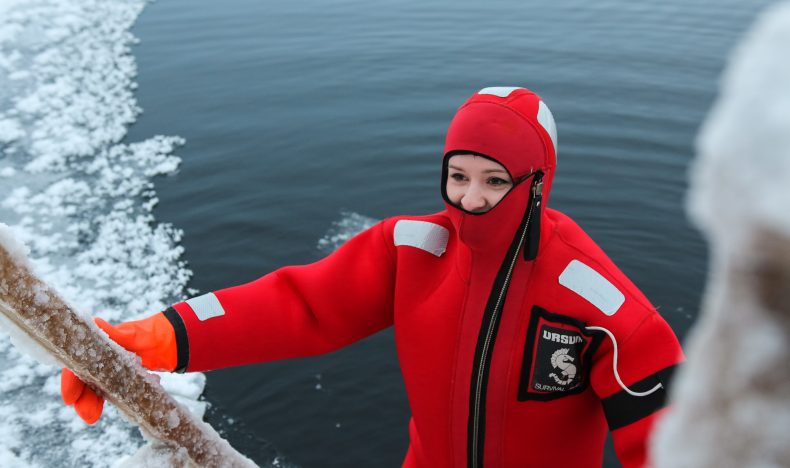
Much of the heavy outer gear is already waiting on our own photography tours. We lend warm overalls, insulated boots, a winter hat and gloves whenever you need them, along with a backpack, a thermos of warm drinks, a headlamp and, on evening tours, a tripod. What you bring from home is everything underneath, and those layers decide how warm you feel once the overall is zipped up.
Layering System
The clothing list on our equipment page starts at the skin and works outwards. Thermal underwear is the bottom layer, and we recommend wool, which keeps you warm even after you have worked up a sweat on a snowshoe climb. Good synthetic thermals do the same job. Cotton belongs in the suitcase on tour days, since it holds moisture and cools you the moment you stop moving.
Over the thermals goes a fleece jacket or a warm sweater, the layer you open in the van and close again at the viewpoint. On top you want a down jacket and wind- and waterproof ski trousers, or the overall we hand out on our own tours. For most guests on most nights, thermal underwear, woollen socks and one extra fleece under the outerwear is enough.
Layer
What we recommend
Why it matters
Base
Thermal underwear, ideally wool
Moves sweat away from your skin and stays warm when you stop
Mid
Fleece jacket or warm sweater
Easy to open in a warm van and close again outside
Outer
Down jacket and wind- and waterproof ski trousers, or our overall
Blocks the wind and snow that cool you fastest
Head and neck
Ski hat over the ears, neck warmer, balaclava for windy nights
Keeps in the heat you lose quickest
Hands
Thick ski mittens over light woolly gloves
Mittens for warmth, thin gloves for the camera
How many of each
For a stay of four nights or more, two sets of thermals is a comfortable number, as one can dry in your room while you wear the other. One mid-layer you like is plenty, and a thin wool vest gives you something to add on the coldest evenings. Bring more wool socks than you think you need, so that you start every tour with a dry pair. If you feel the cold easily, choose a thicker fleece and pack hand and foot warmers for the deep cold of January.
Footwear & Accessories
Fingers and toes are the first places to feel the cold, as our beginners’ guide to chasing the Northern Lights points out, so boots and mittens deserve more space in your bag than a third sweater. Winter boots should be warm, insulated and waterproof, with room for a thick wool sock, because a tight boot squeezes out the warm air around your foot. On our own tours we lend insulated boots, which helps if the pair you own is made for city pavements.
Mittens keep your hands warmer than gloves, since your fingers share their heat. Our list pairs thick ski mittens with light woolly gloves underneath, so you can slip a mitten off to work a camera or a phone and still have a layer on your skin. A ski hat that covers your ears, a neck warmer you can pull over your mouth and a balaclava for windy evenings complete the set.
Town versus trail
Streets in town can be icy, while forest trails after fresh snowfall are soft and deep, and one pair of boots with a deep, grippy tread handles both. If you own slip-on ice grips, pack them for walks to dinner. By March the sun is strong on the snow, so sunglasses earn their place on bright days, and lip balm and a rich moisturiser protect your skin from the frost and the dry indoor heat all winter.
Camera Gear in Cold
Our tours are built around photography, so if you shoot with a camera of your own, it is worth packing it with care. Our FAQ suggests your own DSLR or mirrorless camera, a wide-angle lens for the aurora (14–24 mm at around f/2.8–3.5), extra batteries and a memory card of at least 16 GB. Bring a camera bag you are happy to carry, as you keep your own equipment with you, and leave the tripod at home, since we lend one free of charge on evening tours.
Cold drains batteries quickly. The same guide recommends at least two for your camera, and the trick is to keep the spares in an inside pocket close to your body, swapping them in as the one in the camera fades. Your phone behaves the same way, so carry it in an inner pocket and add a small power bank for long evenings.
The other habit comes at the end of the night. When a frozen camera meets the warm air of the van or the hotel lobby, moisture can form on the lens and inside the body, so put the camera into a closed bag before you go indoors and let it warm up slowly. A headlamp with a red-light mode is useful too, because red light protects your night vision and leaves other people’s long exposures untouched.
If you would rather travel light
A camera is entirely optional. Pocket cameras and modern phones work well by day, and on our own tours the photography guide carries a professional camera and photographs the group as the day goes on. Your edited collection of 5 to 15 photos goes up at gallery.beyondarctic.com, usually within two or three days, and it is included in the price.
In our guide to photographing the Northern Lights we tell the story of a guest who arrived in Rovaniemi sure that photography was beyond her. Her guide switched her phone to night mode and stood it on the included mini tripod, and three seconds later the screen showed green curtains over the trees that she could barely see with her own eyes. That frame became her lock screen.
What’s Provided on Tours
On our own tours, marked Beyond Originals on the site, you always get a backpack, a seat pad, a thermos flask, a sausage stick for the campfire and a headlamp. Warm winter clothing, boots, gloves and a winter cap come along when the weather calls for them, and evening tours add a tripod.
Tours run by our trusted partners work differently, because any clothing on those days comes from the partner. The electric snowmobile tours near Rovaniemi include overalls, a helmet, boots, socks, mittens, a balaclava and a scarf, and ask you to wear your own thermal underlayers and a middle layer beneath them. For the husky farm visit in Pyhä you add warm outerwear and winter shoes when you book, while the scenic snowshoeing on Pyhä Fell asks you to bring warm boots, a hat and gloves or mittens. Each tour page lists what is included, so read it the evening before you go.
Pack for the day you booked
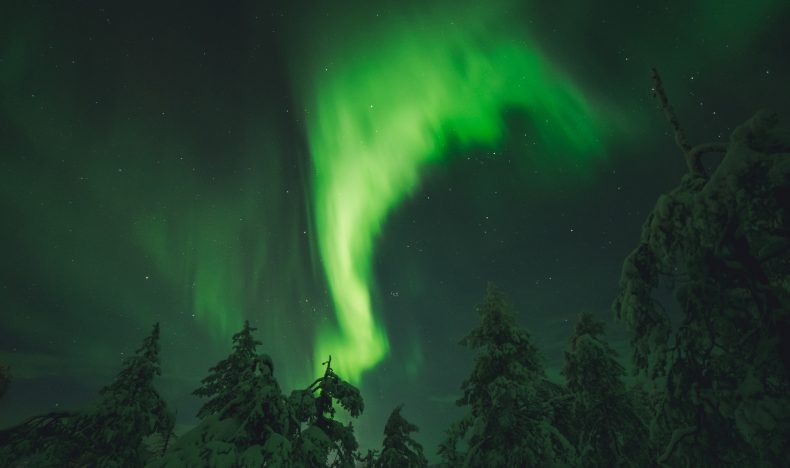
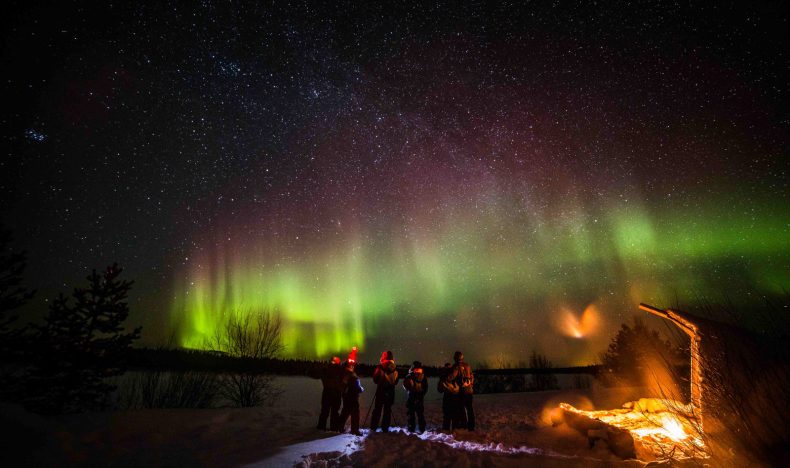
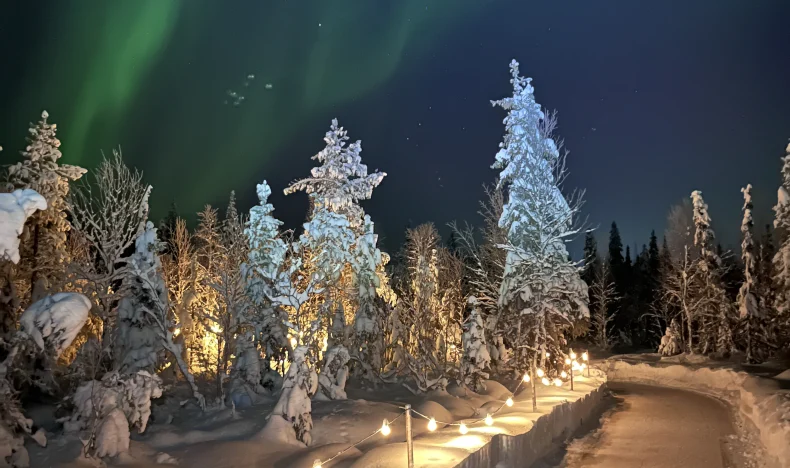
Aurora evening. Most of the night is spent standing by a lake or in a forest clearing, which feels colder than any walk, and the lights are never guaranteed, so dress for a long wait. Wear your warmest thermals and keep spare mittens and a hand warmer in the backpack.
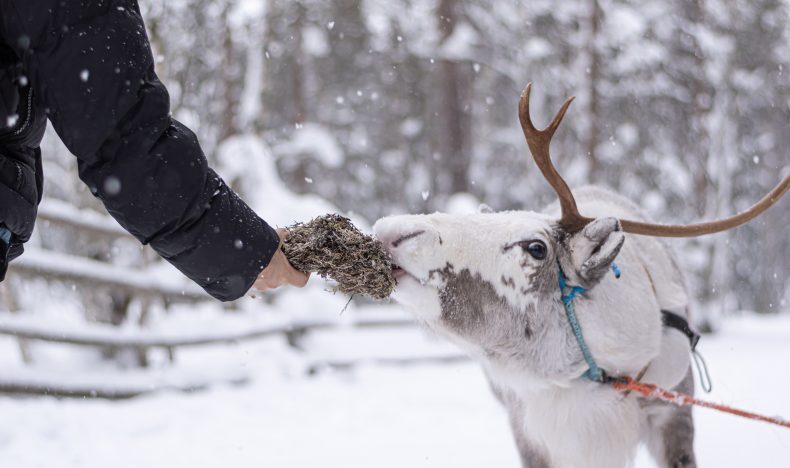
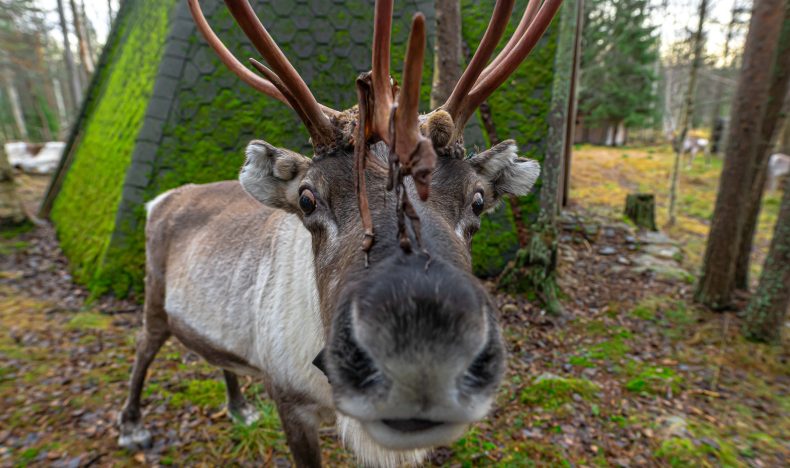
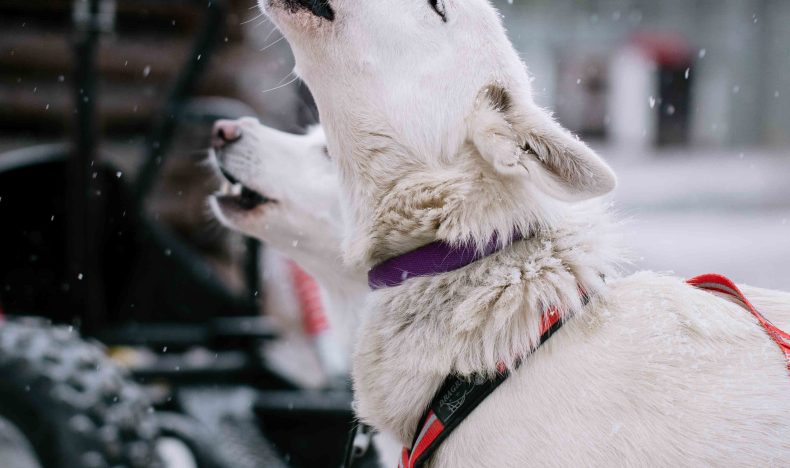
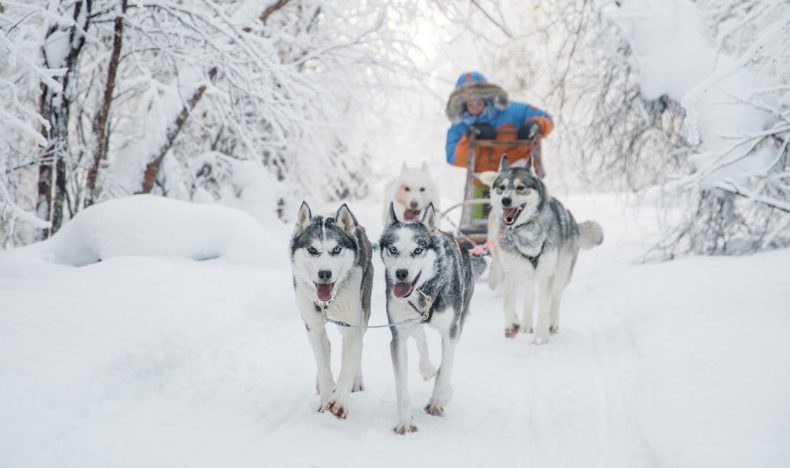
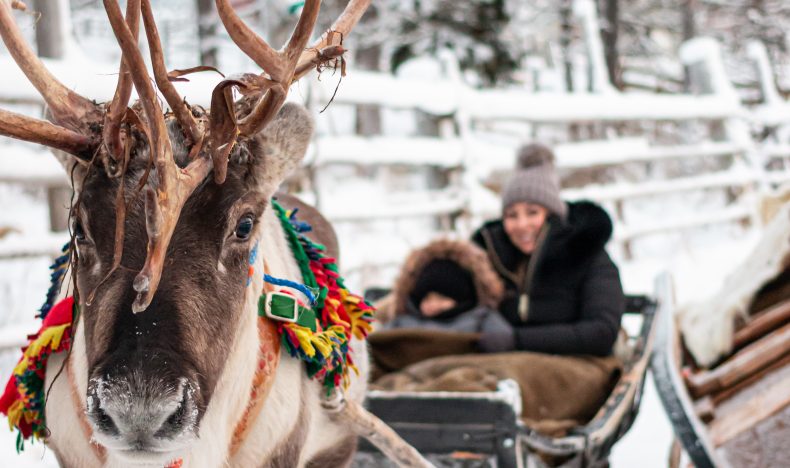
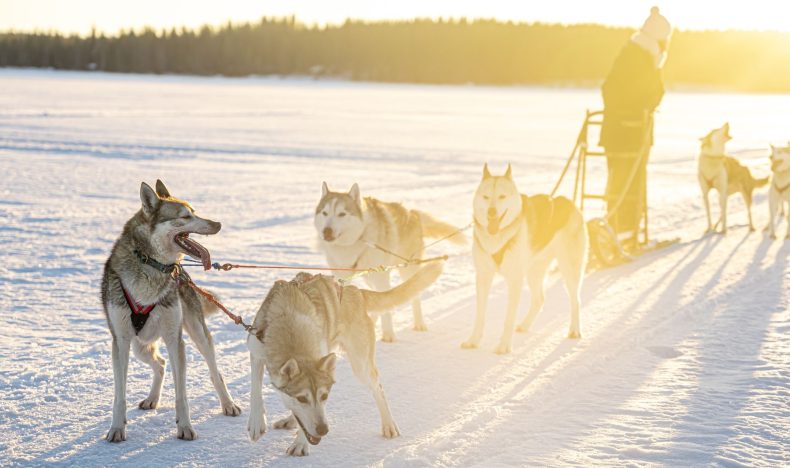
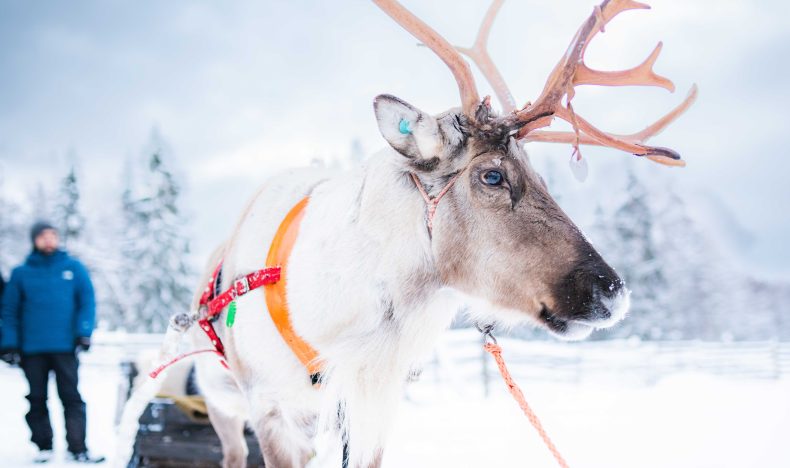
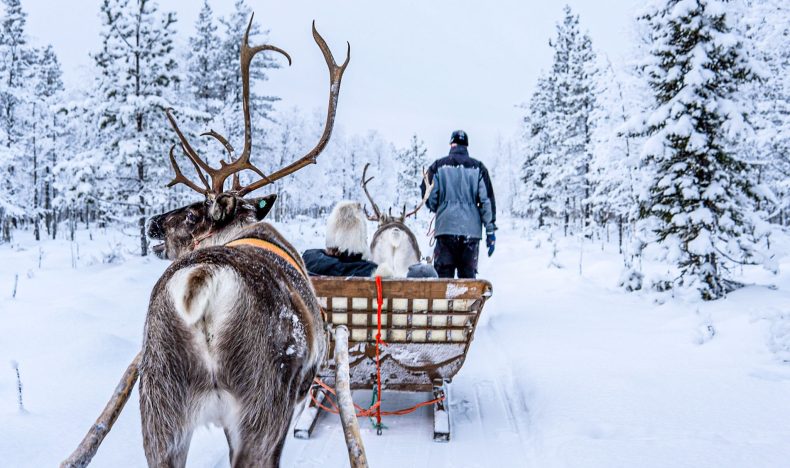
Husky or reindeer farm. Farm visits include time in the snowy yard with the dogs or the reindeer as well as the ride itself, so boots matter even when you ride as a passenger. On the Local Husky Experience you ride three kilometres in the sled while a local musher drives, and then warm up by the fire with a drink and cookies. The Family Husky Adventure, with its 45-minute sled ride, includes warm clothing, and its page notes that snow goggles are yours to bring.
Snowshoe or national park day. On longer days, such as the 8–9-hour Riisitunturi trip or the 6–7-hour Korouoma hike, you move for hours and stop often for photos, so a mid-layer that opens easily matters most. A spare pair of wool socks in the backpack makes the afternoon more comfortable.
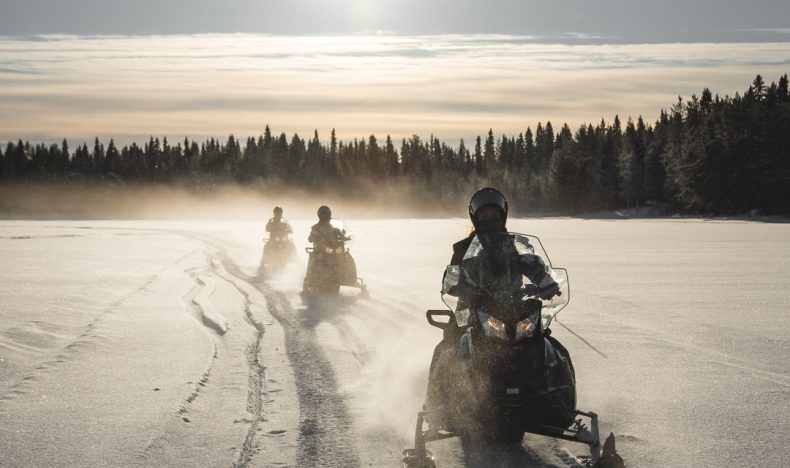
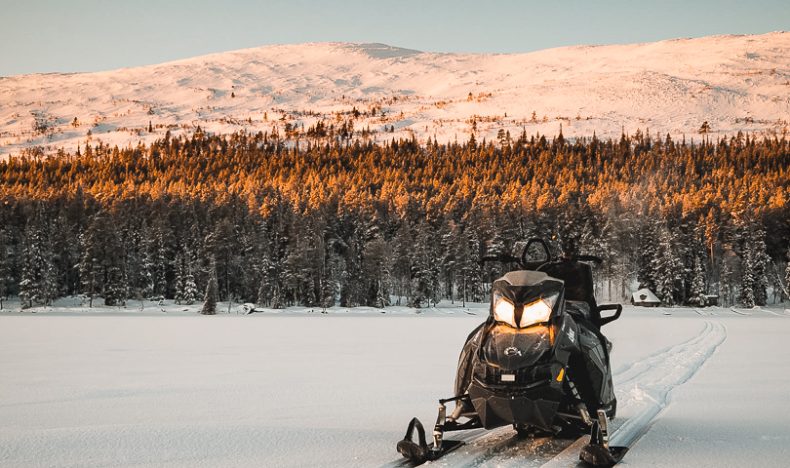
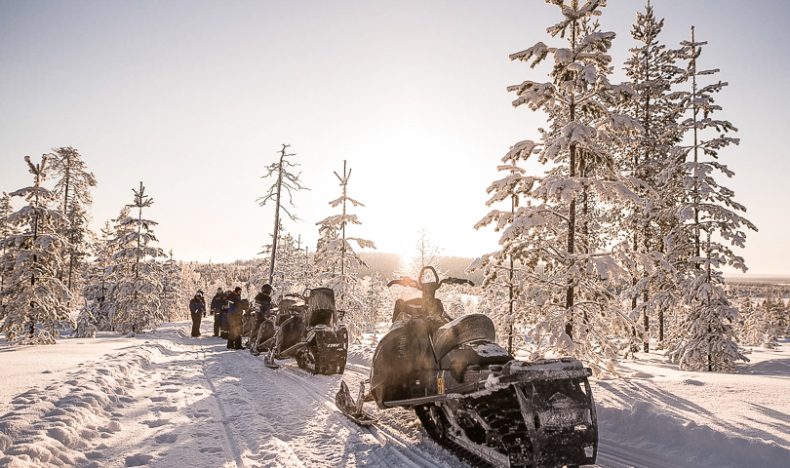
Electric snowmobile. Driving creates its own wind, even on a quiet electric machine. The outer gear is supplied, so what you add is a warm thermal base and a mid-layer.
If you are unsure what a particular day includes, call or WhatsApp us on +358 50 323 1090 or email contact@beyondarctic.com. In Levi you can reach us on +358 40 128 0766 or levi@beyondarctic.com.
Packing Checklist
Copy this into your notes before you travel.
Two sets of thermal underwear, wool or synthetic
Fleece jacket or warm sweater, plus a thin wool vest
Down jacket and windproof ski trousers, unless you use our overall
Warm, insulated, waterproof winter boots with a grippy sole
Several pairs of wool socks
Thick mittens and light woolly gloves
Ski hat, neck warmer and balaclava
Hand and foot warmers for January
Sunglasses for bright late-winter days
Camera, wide-angle lens, two spare batteries, 16 GB memory card
Phone and a small power bank
Closed bag or zip pouch for bringing the camera indoors
Lip balm, moisturiser and any personal medication
Ice grips for town, if you own them
Jeans, cotton T-shirts and smooth-soled city shoes can stay in the suitcase for evenings in town.
Your day bag
On our own tours you get a backpack, so your own day bag matters most on free days and partner tours. Fill it with spare mittens, the extra mid-layer, warm batteries and snacks you can open with gloves on.
Frequently Asked Questions
Can I wear ski clothing?
Yes, ski clothing works well. Our own list includes wind- and waterproof ski trousers and a down jacket, so your skiing outfit covers the outer layer. Add thermals and a fleece underneath, because standing still at an aurora stop feels colder than skiing down a slope.
Do I need to buy everything new?
If you already own base layers and a fleece from hiking or skiing, bring those, because they are the layers you supply yourself. On our own tours we lend overalls, boots, a hat and gloves when needed. For days on your own you can rent overalls, winter boots, a cap and gloves or snowshoes through our equipment rental, and it is best to reserve them in advance.
What about children?
Tours marked Suitable for Children have family options, and the minimum age varies from tour to tour, so check the page before booking. Children feel the cold quickly when they stand still, so pack an extra mid-layer and spare mittens. On our private Northern Lights experience we bring warm sleeping bags for the smallest adventurers.
Will the operator provide a snowsuit?
On our own tours, yes, we provide warm overalls and boots whenever the weather calls for them. On partner tours it depends on the partner: the electric snowmobile tours include a full set of outer gear, while at the Pyhä husky farm you add clothing when you book.
Can I do a husky safari in trainers if I stay in the sled?
Winter boots are the better choice, because husky visits include time with the dogs in the snowy yard, and a passenger sits still in the cold for the whole ride. On our Local Husky Experience, winter boots come with the warm clothing, and each partner tour page lists what it includes.
Can I leave my camera at the hotel if you include a photographer?
Yes. On our own tours the guide photographs the group, and your edited photos are included in the price and ready to download from our gallery. A phone is enough for your own shots, and on our aurora tours the included tripod has a phone mount.
Juho is a true explorer who is always seeking for the next adventure. With more than a decade of experience in demanding hikes, mountain climbs and remote destinations around the world, Juho wanted to combine the explorer's spirit with his passion for photography. Beyond Arctic was born.
Visit Ranua Wildlife Park, home to more than 50 Arctic animal species, on a 5-hour tour from Rovaniemi with photography guidance and edited tour photos.
One of the more memorable sights visible in the winter sky in Rovaniemi doesn’t always mean the Northern Lights. During the darkest parts of the winter in December and January you will have the chance to see something uniquely beautiful, which social media users have taken to affectionately calling “cotton candy sky”.
When planning a trip to Finnish Lapland, you'll find no shortage of excursions to choose from. You will also quickly notice that some of the most popular experiences are available in two different formats – especially when it comes to Northern Lights tours.
Early summer has arrived in Finnish Lapland, and with it comes one of the region’s most distinctive natural phenomena: the Midnight Sun. In Rovaniemi, the official Midnight Sun period begins in early June and continues until early July, when the sun remains above the horizon around the clock. When you visit Rovaniemi and Lapland at this time of year, you get a chance to experience the landscape in a completely different light – pun intended!

 Top Seller
 Beyond Originals
 Rovaniemi 145 € / person