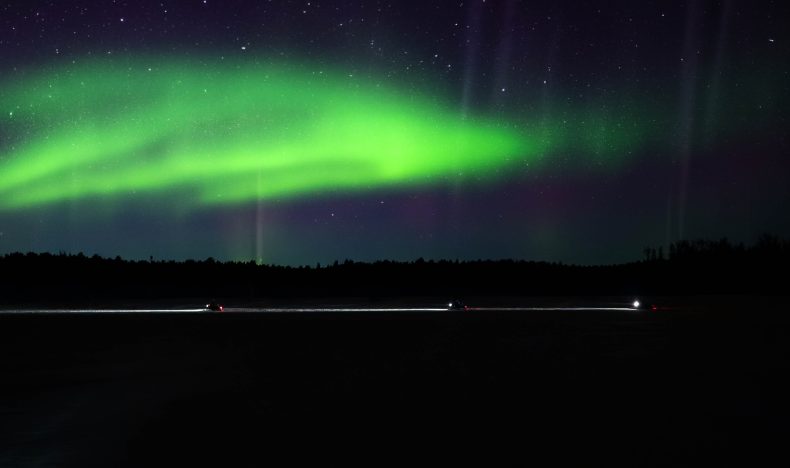
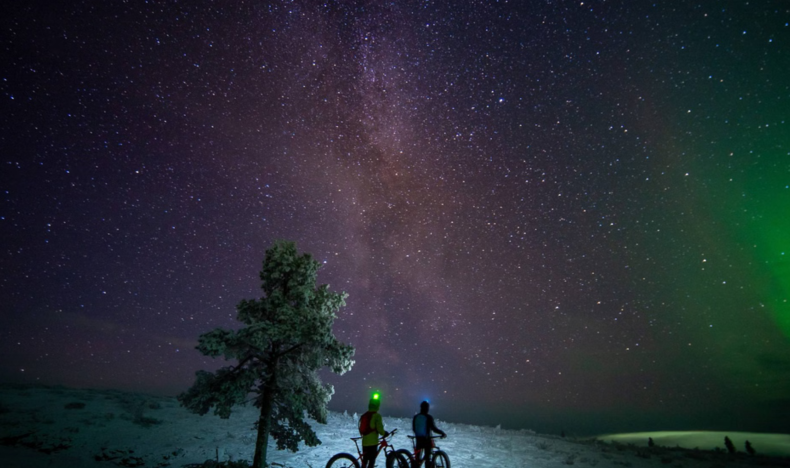
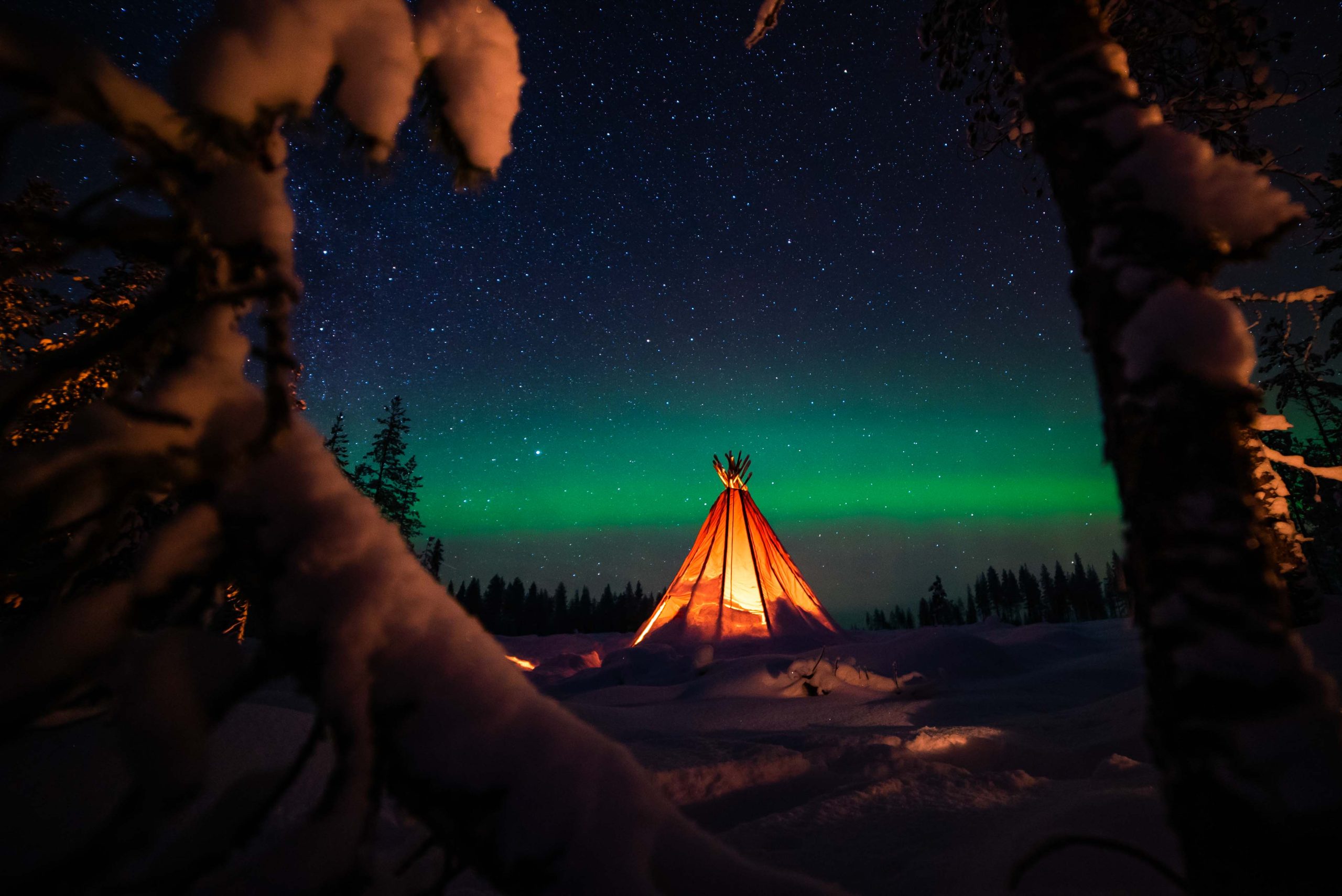
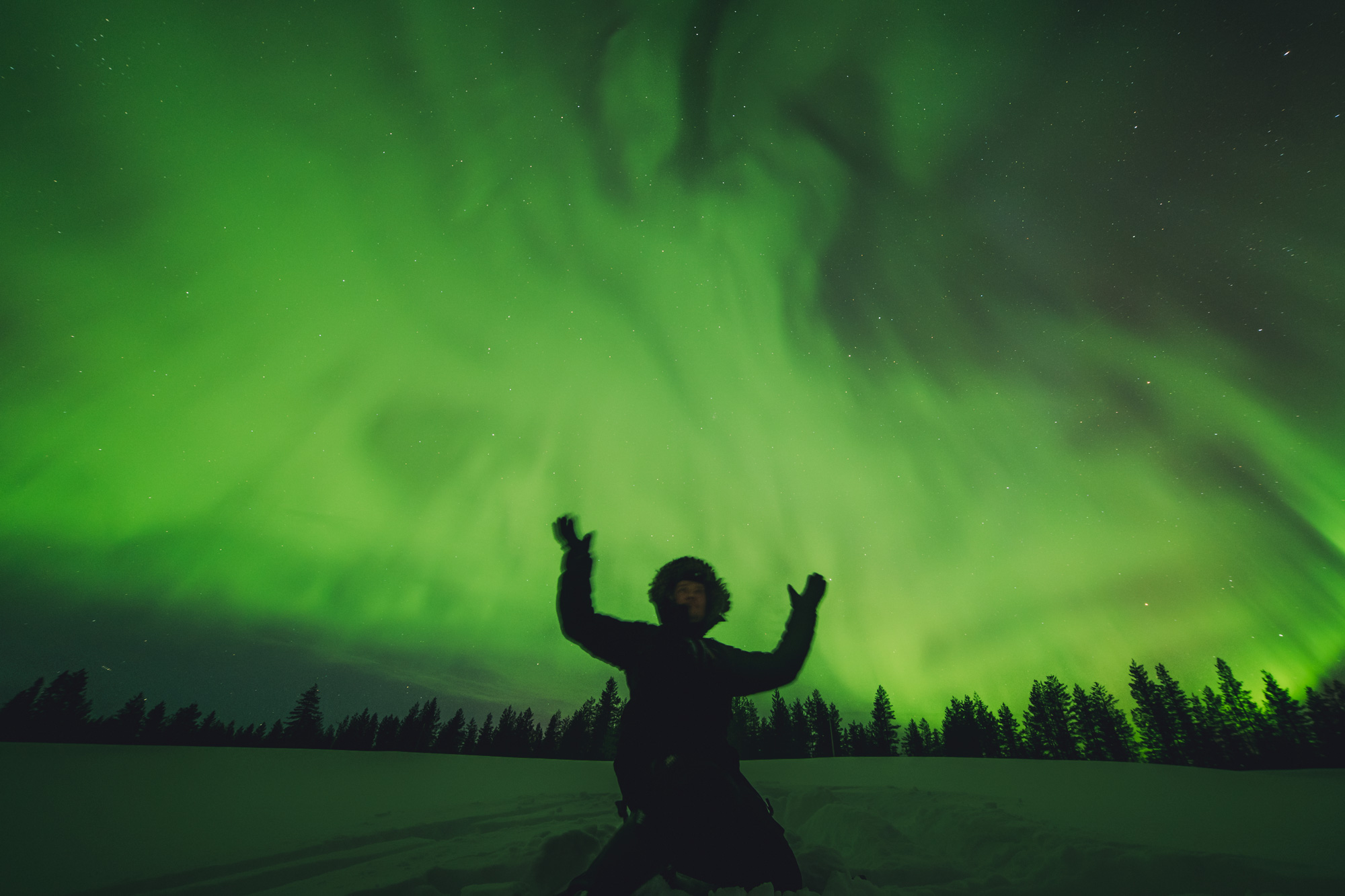
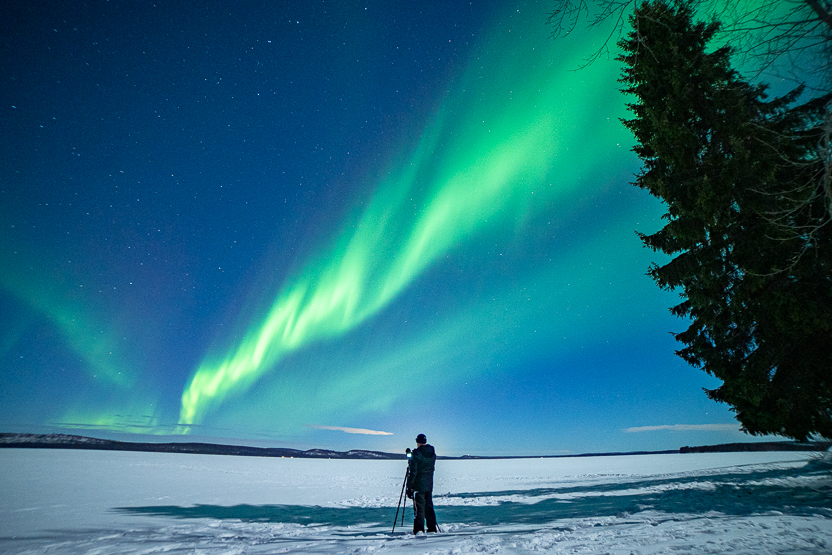
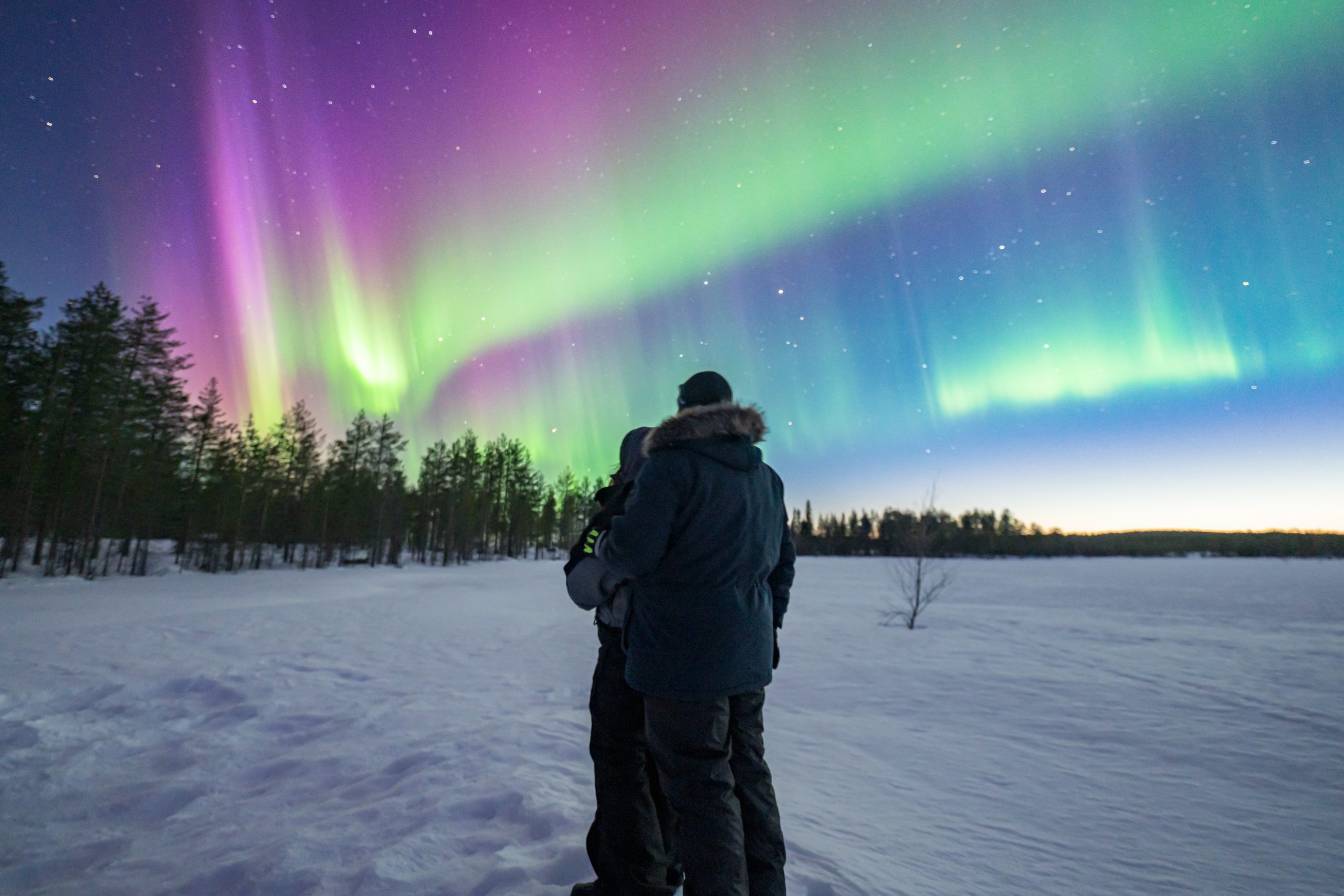
Hunt for the Northern Lights with your own group and a professional photographer, with a private location, flexible timing and professionally edited photos.
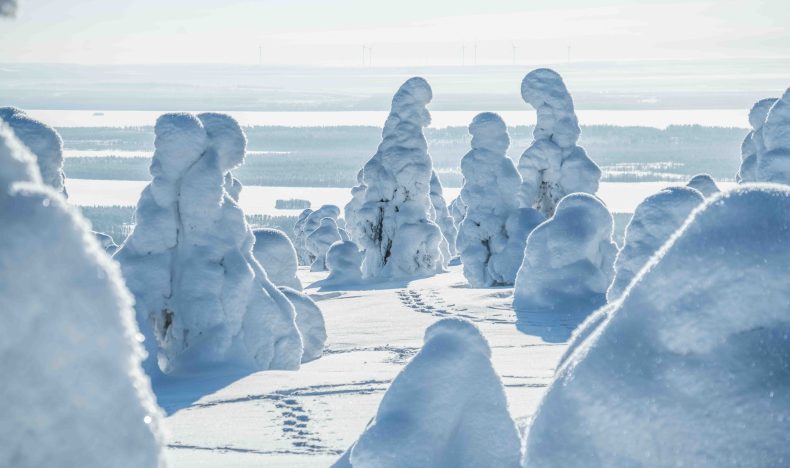
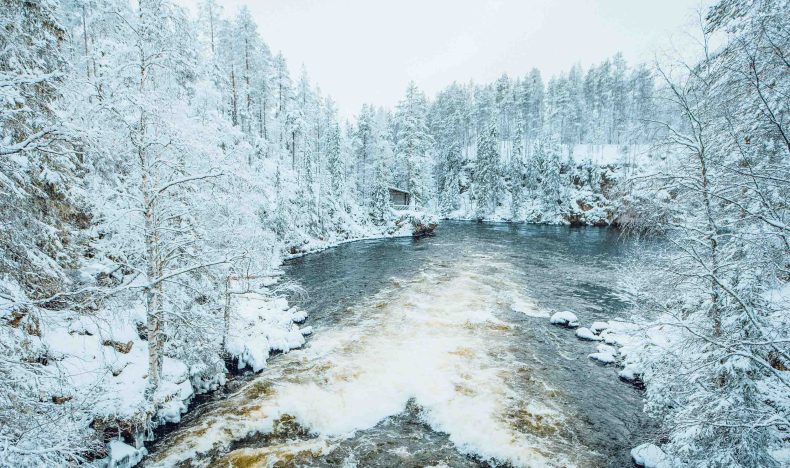
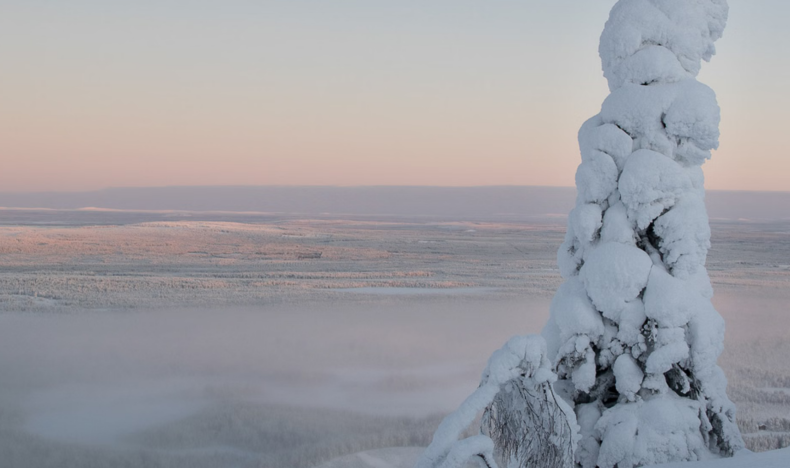
Explore Riisitunturi's snow-covered fells on an 8–9-hour small-group winter expedition with photography stops, a light campfire lunch and a 4–5 km route.
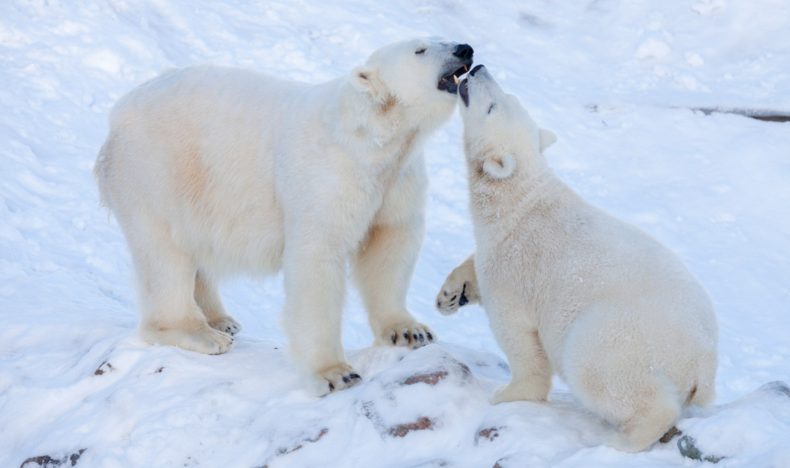
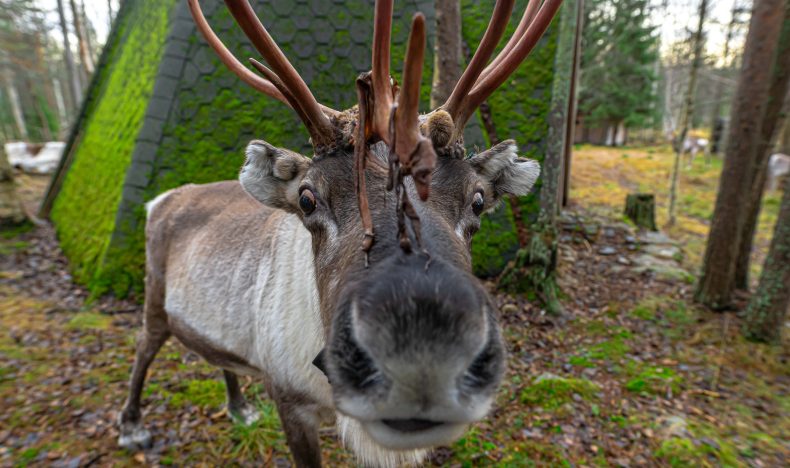
Visit Ranua Wildlife Park, home to more than 50 Arctic animal species, on a 5-hour tour from Rovaniemi with photography guidance and edited tour photos.
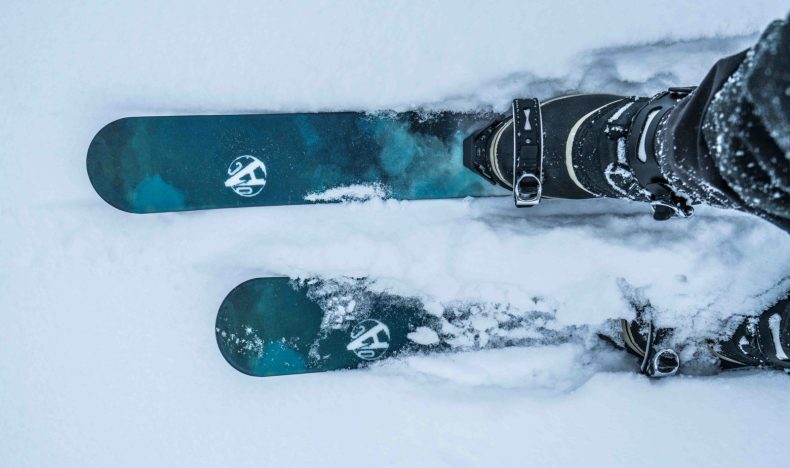
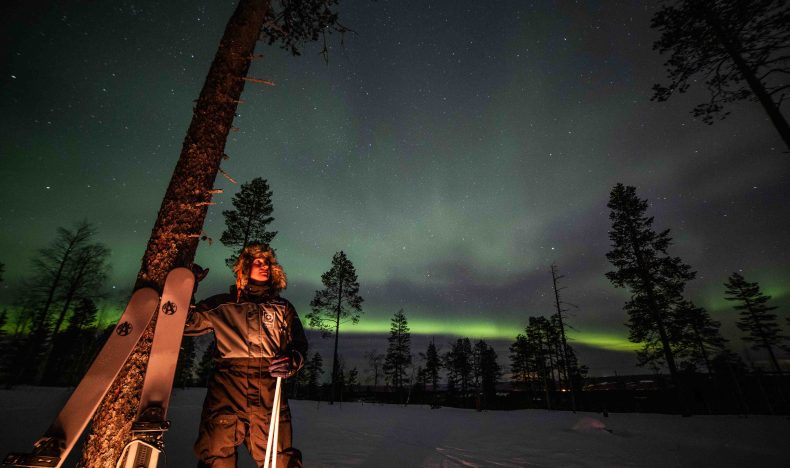
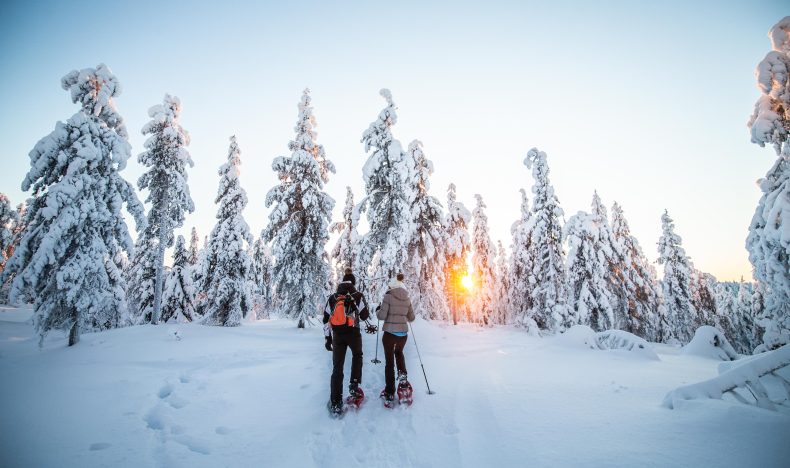
Learn the basics of backcountry skiing on a guided 3–4 km journey through peaceful forests near Rovaniemi, with photography and a relaxing campfire break along the way.
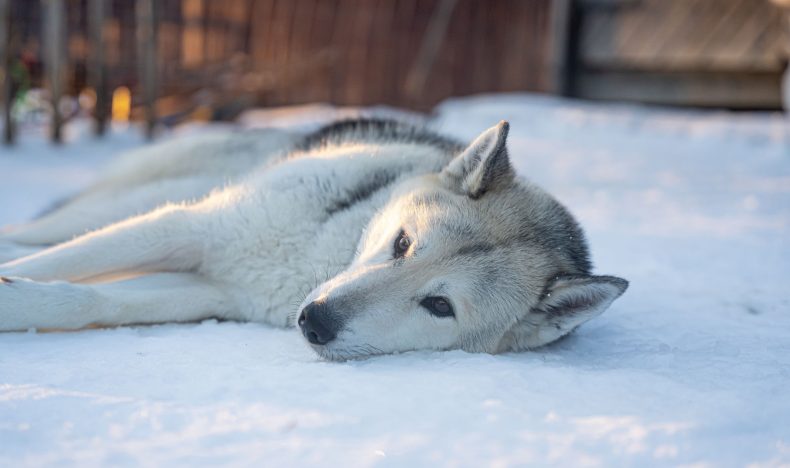
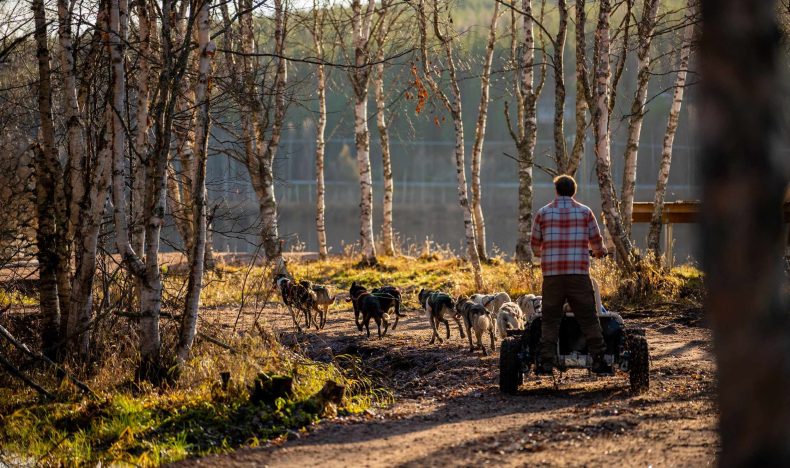
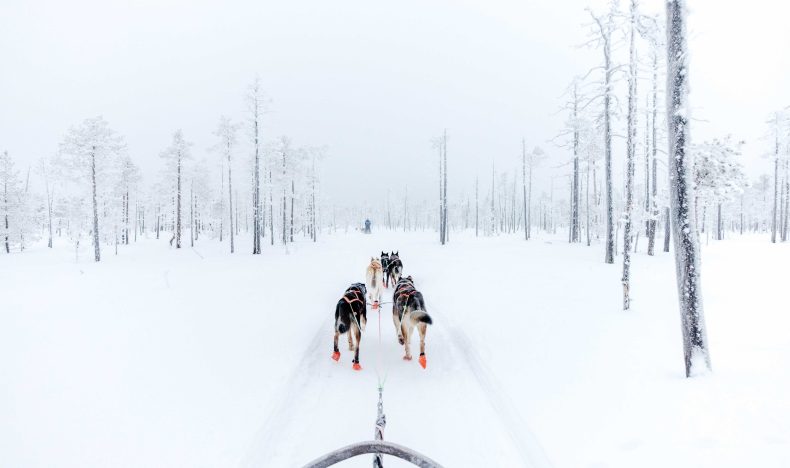
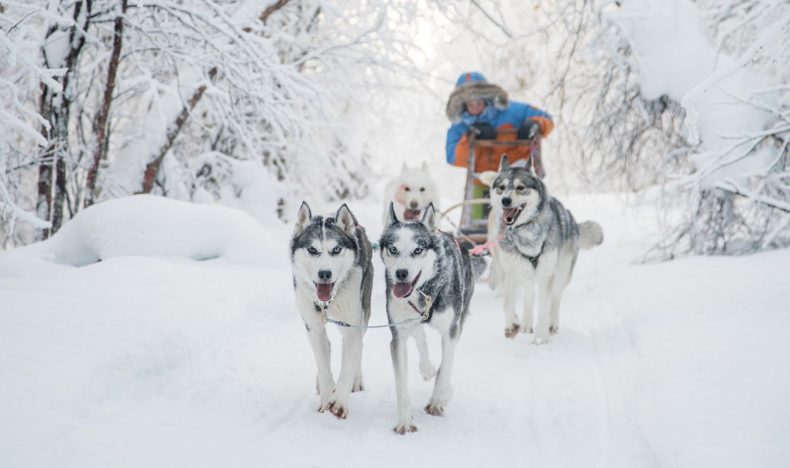
Mush your own husky team on a 12–18 km adventure through the wilderness outside Rovaniemi, then meet the dogs and enjoy stories and hot berry juice with cookies.
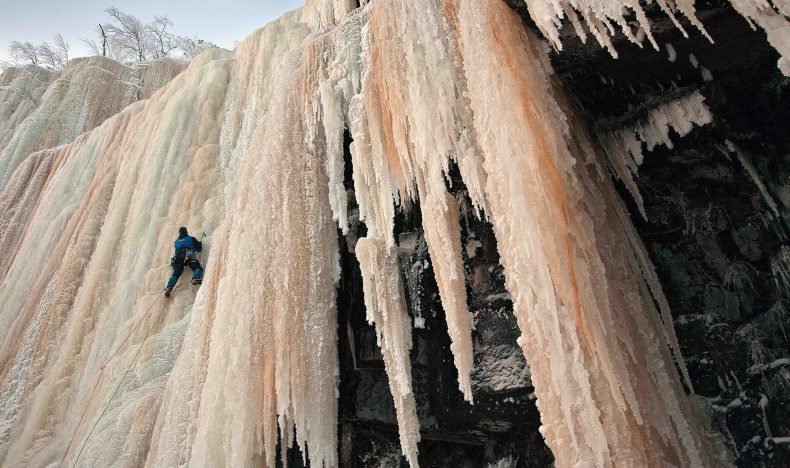
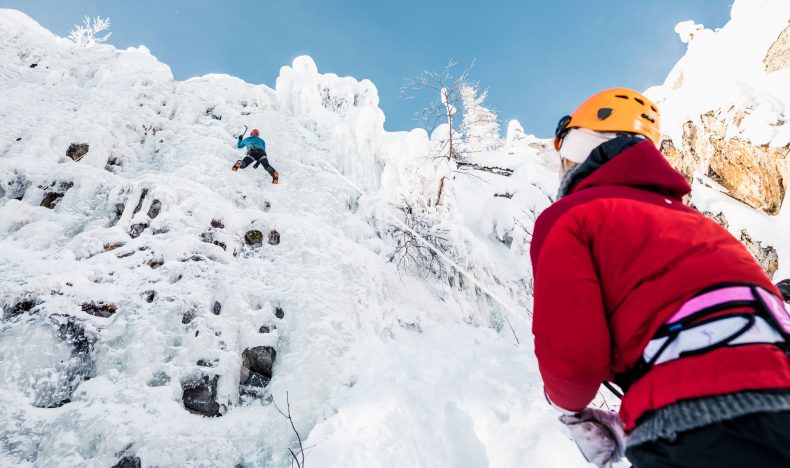
Travel from Rovaniemi to Korouoma Canyon for a full-day ice climbing adventure with a professional instructor, climbing equipment and return transportation included.
Photograph Rovaniemi's summer night light beside rivers, lakes and forests on a 3–4-hour small-group tour with camera guidance, a campfire stop and edited tour photos.
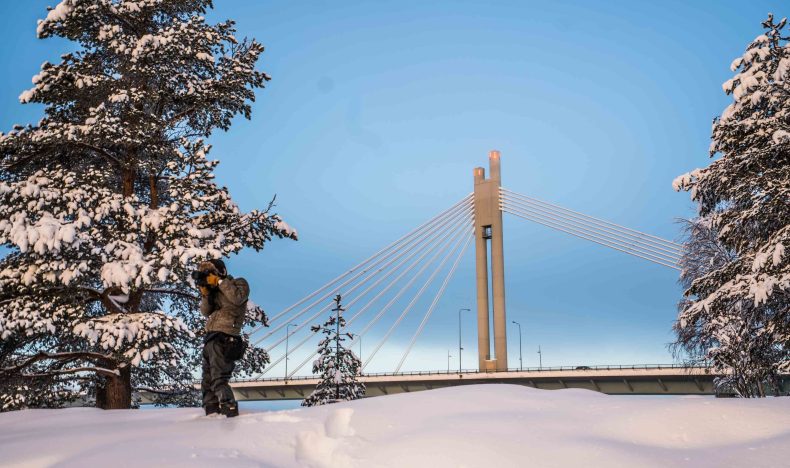
Photograph Rovaniemi's winter cityscape, frozen river and nearby snowy nature on a private 2-hour tour with a professional photographer and edited portraits.
Photograph Rovaniemi's riverside landmarks, summer light and nearby Lappish nature on a 2-hour tour with professional guidance and edited photos included.
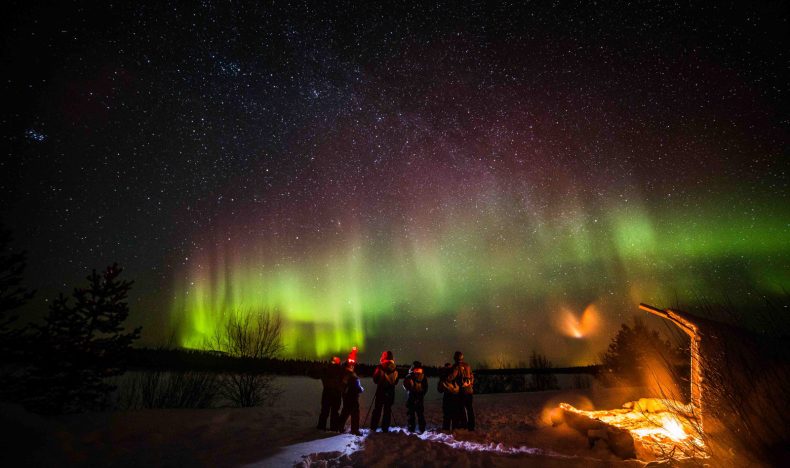
Hunt for the Northern Lights around Levi with a professional photography guide, camera support and edited tour photos. Aurora sightings are unpredictable and cannot be guaranteed.
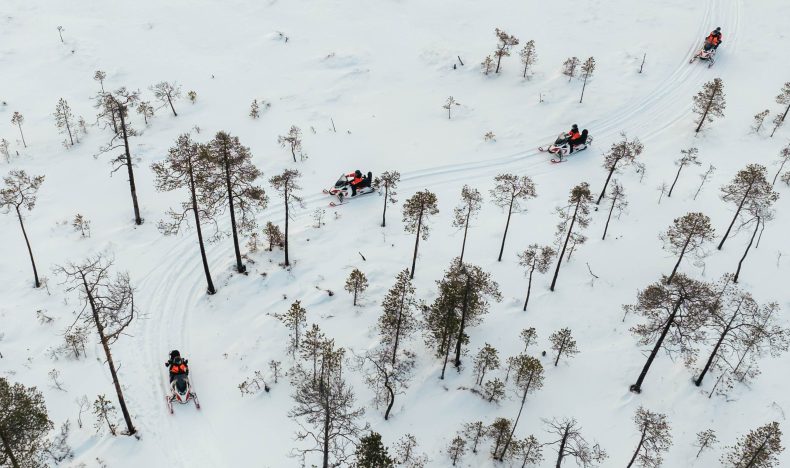
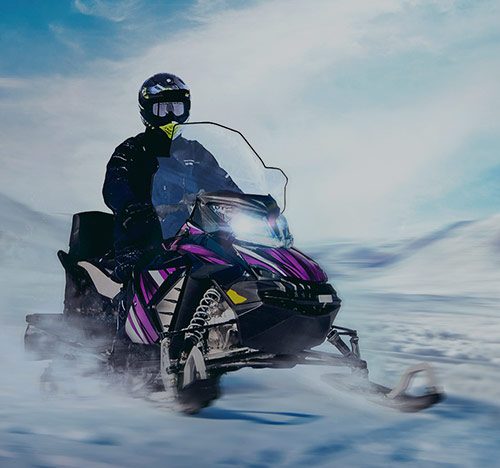
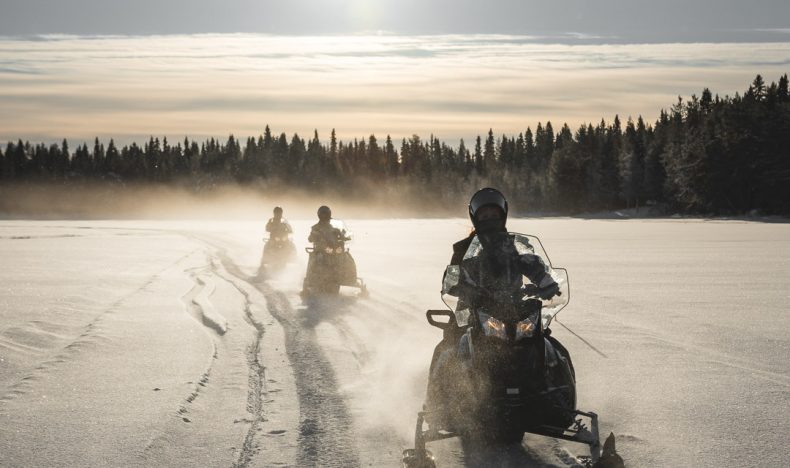
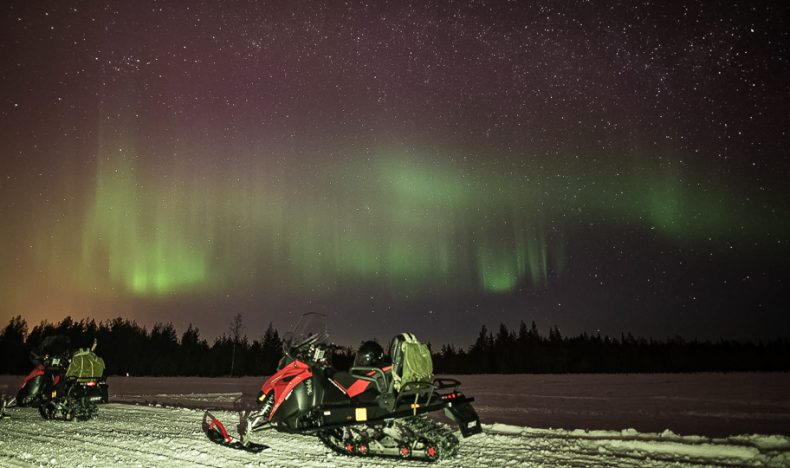
Ride a snowmobile through Levi's forests and frozen landscapes after dark, stopping to watch the sky and enjoy a fireside snack. Northern Lights sightings cannot be guaranteed.
Learn the basics of backcountry skiing on a small-group trip into the snowy wilderness near Levi, with specialist skis, warm clothing and photography guidance included.
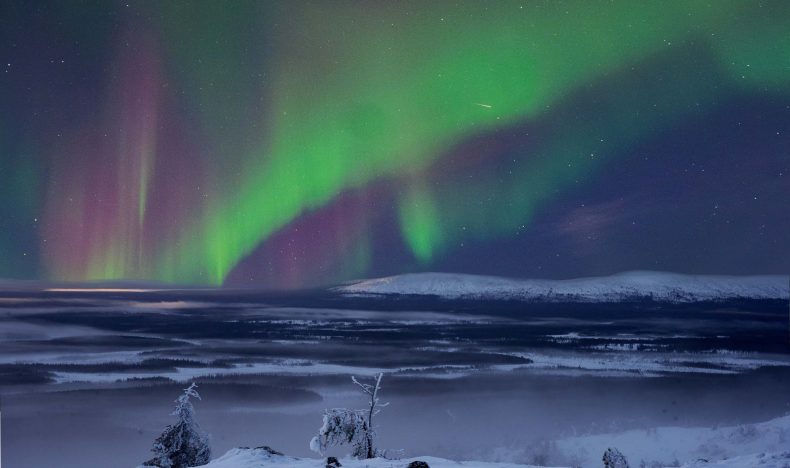
Guide for chasing the Northern Lights in Lapland, Finland. New Aurora season 2023-2024 is just around the corner!
By Juho Uutela
•10 min read
In the Arctic Circle Lapland, the long summer days with continuous sunlight are soon gone. In the end of August, two remarkable shifts can be observed: a subtle dip in temperature and the gradual darkening of nights. This transition signals a season for foraging the woods for berries and mushrooms and bringing in the bounty of the harvest from the fields.
As the darkness begins to reclaim the Arctic’s night skies, Northern Lights hunters emerge from their summertime sleep. People welcome the darkening nights with joy, greeting the stars as friends they haven’t seen for a while. The embrace of nightfall is a time-honoured tradition, marked by the flickering glow of candles illuminating homes, the comforting feel of the woollen socks, and the return of the stars, the moon, and the dancing Northern Lights. So, as we are greeting another season with the Northern Lights, we might pose the question: what does the upcoming Northern Lights season look like? Let’s delve in and explore.
Sun’s activity is unexpectedly high
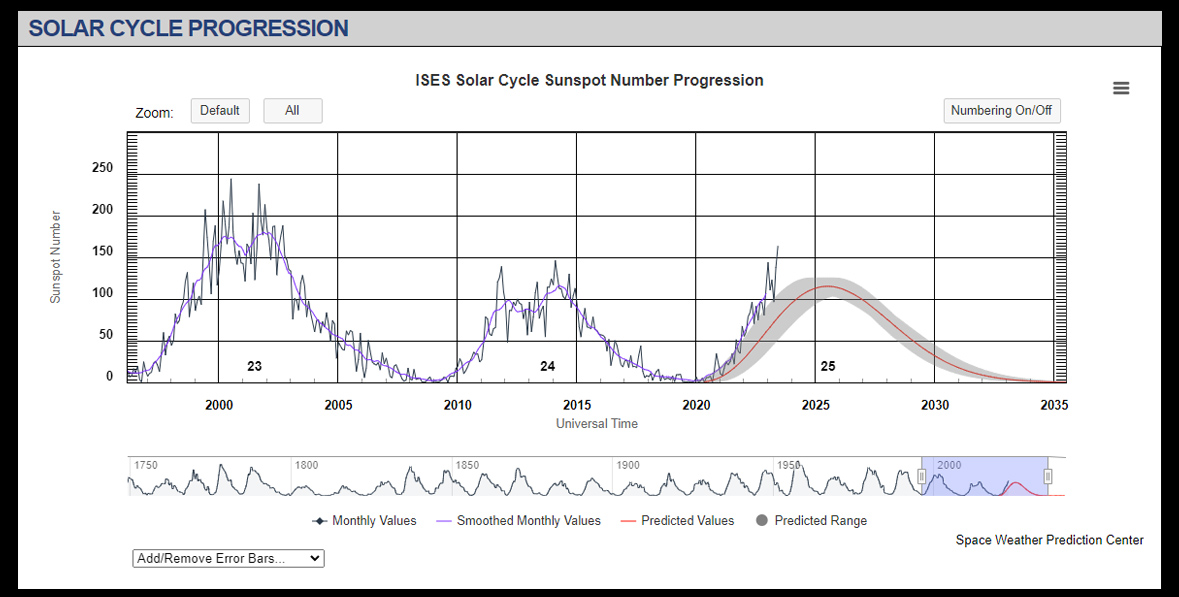
For most people who love the Northern Lights, summer is a time to focus on other interests, since the Auroras aren’t visible. After all, you can’t really observe what is there, right? However, the recent months have showcased how the activity has been record-high, thus keeping the hunters checking the satellite data on a daily basis. The record-high activity gives an exciting feel to this on-going Aurora season. Just to refresh your memory, the Sun doesn’t always behave the same way. It has an 11-year cycle known as the solar cycle. During this cycle, there are quiet times, known as the minimum, when things like sunspots, solar flares, and coronal mass ejections (CMEs) are pretty scarce. After this quiet phase, the Sun starts to get more active again, leading up to a high activity phase called the maximum. This phase is the best time to see the northern lights because the Sun is throwing out lots of sunspots, solar flares, and CMEs, which result in stunning displays of northern lights. We’re currently in a Solar Cycle 25, which kicked off around December 2019 with the solar minimum. The prediction for the solar maximum had been that the peak would occur around June 2025 (give or take 8 months). However, the Sun seems to have other plans and has been bustling with a lot more activity than scientists initially anticipated. This could suggest one or both of two things: ● The solar maximum might show up earlier than 2025. ● This cycle may end up being much higher with activity than what was forecasted. So, just how impressive has the activity been during recent months? The graph above gives us a peek into the progress of the solar cycle, showcasing the monthly average sunspot numbers. What’s intriguing is that these numbers are already surpassing those from the last peak of the previous cycle, Solar Cycle 24. In fact, we haven’t seen sunspot numbers this high in 21 years! For those of us who love the Northern Lights, this is incredibly exciting news. So, how can one seize the most of this unique opportunity? Let’s delve into that.
While the increased sunspot activity certainly paints an exciting picture for Aurora enthusiasts, it’s not without its challenges that need to be navigated true to truly have that once in a lifetime experience. The primary obstacle? Clouds. There’s no greater enemy seeing the Northern Lights than a persistent, impenetrable layer of gray clouds. Countless nights have been lost due the challenges with finding clear skies. However, all is not lost. There are indeed strategies to increase your chances of catching clear skies. Let’s explore some of these. 1: Mobility. Having access to a car, or joining a tour, dramatically increases your chances of finding a clear sky. If you’re residing in a city, as most travellers do, venturing beyond the city limits becomes necessary due to high levels of light pollution. Be aware that stunning marketing pictures showcasing spectacular Northern Lights may not always reflect the true viewing conditions -the best locations are always away from any light pollution! 2: Select the right month. The time of year can significantly impact your viewing experience. In the Arctic Circle Lapland, the Aurora season kicks off in mid-August and extends until mid-April. Interestingly, autumn and spring often offer better viewing conditions than winter – we’ll delve deeper into this topic shortly. 3: Stay longer. Committing a week to your Northern Lights journey, if feasible, enhances your chances of a successful sighting as the weather becomes less of a wildcard. Visitors who plan shorter stays, such as two nights, often leave disappointed when the weather doesn’t play along. 4: Hire an Aurora Guide. With experience chasing the Northern Lights since 2016 and knowing all the best locations in Lapland, we can make your aurora hunting experience most enjoyable. The task of locating and photographing the Northern Lights can be daunting for newcomers. An experienced guide, familiar with the surroundings and equipped with photography skills, can offer a more relaxed and enjoyable experience. 5: Dress warmly. The hunting of the Northern Lights has two inevitable adversaries: cloudy skies and cold temperatures. Ensuring you’re properly equipped with warm clothing is a vital to prevent discomfort or even hypothermia. Consider renting overalls or joining a tour, where they are included. 6: Stay up late. The Northern Lights typically start to appear after 20:00, with peak activity usually close to midnight. If you’re tucked away in bed, you’ll undoubtedly miss the show. Joining a tour can mitigate the fatigue or jet lag as you can catch some sleep in the car while the guide takes you to an adventure of a lifetime.
Understanding Monthly Differences
The Northern Lights season spans a generous eight months, with the midnight sun dominating the sky and prohibiting aurora viewing for about four months of the year. Several variables shift as the Northern Lights season progresses, resulting in unique experiences each month. Firstly, the surrounding environment transforms as we transition from autumn to winter and finally to spring, imparting each month with its own unique atmosphere. Secondly, the weather varies considerably from month to month, directly impacting the visibility of the Northern Lights. Some months offer clearer, calmer weather, thereby giving a higher chance of a successful experience. Lastly, the phenomena of the equinoxes come into play. During the autumn equinox and spring equinox, the Earth experiences nearly double the amount of geomagnetic disturbances compared to the winter solstice affecting the intensity and frequency of the Northern Lights. Although each season has its unique characteristics, some consistent patterns tend to repeat year after year.
Kicking Off the Season: August
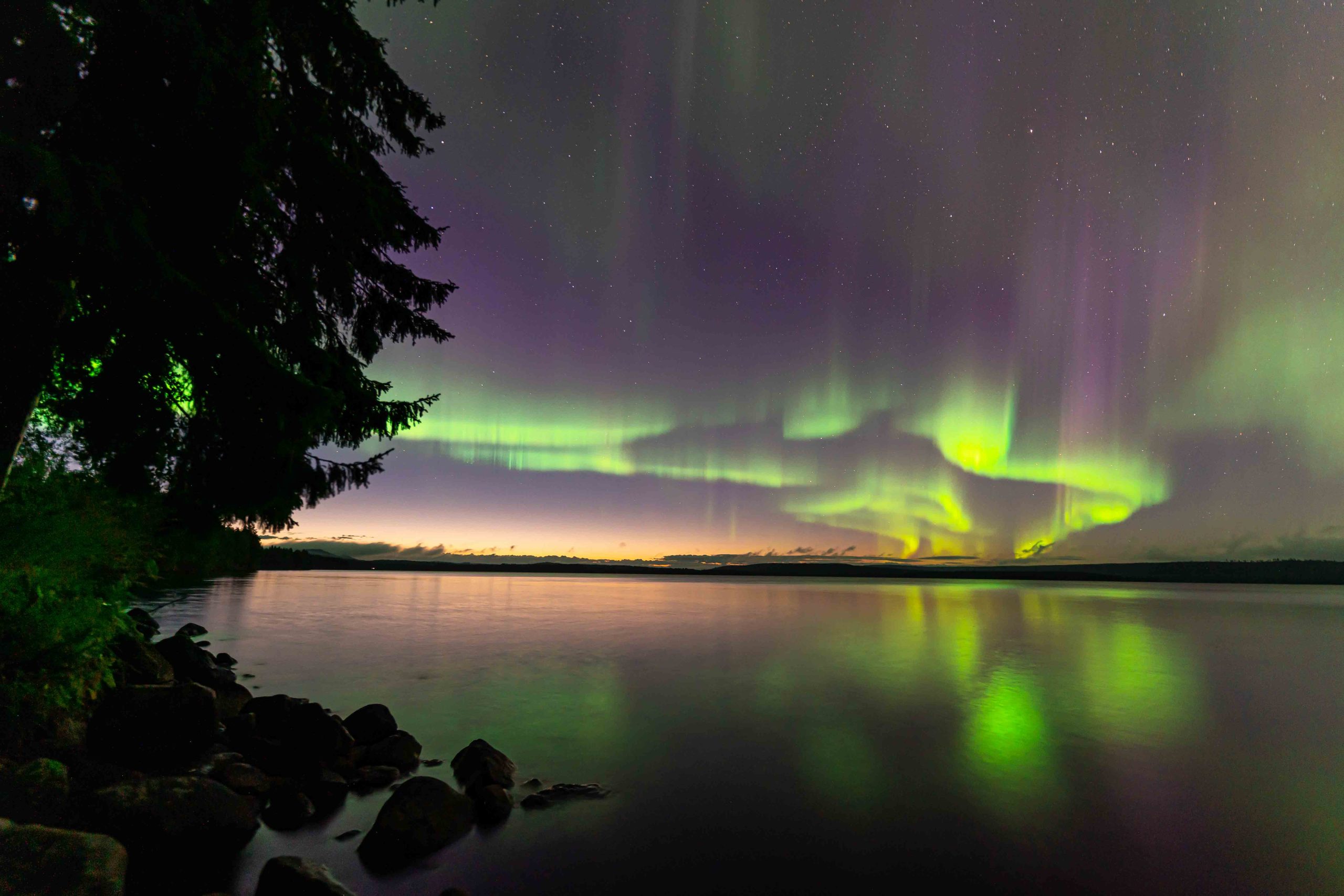
The 2025 season kicked off remarkably early, with the first Northern Lights sighting on August 8th. August nights are typically warm, and some locals recall viewing the Northern Lights under temperatures soaring above 20°C. However, August can pose challenges for Aurora hunters due to the limited hours of darkness. Seasoned Northern Lights enthusiasts generally start monitoring the skies in mid-August. Pros: – Warm temperatures – Summer ambiance – Breathtaking sunsets Cons: – Nights are still relatively bright, which can make spotting the northern lights difficult.
Embracing Autumn Auroras: September
September, the first full month of Northern Lights activity, is considered one of the prime months for seeing the Auroras. The weather is usually easier compared to other autumn months, and combined with the influence of the autumn equinox, the conditions can be perfect for seeing the Northern Lights. The surroundings add to the atmosphere with leaves turning into a kaleidoscope of colours and bodies of water still free from the ice. Pros: ● Typically favorable weather conditions ● Influence of the autumn equinox ● Autumn shows its best side Cons: ● Occasional fog can create problems
Navigating Challenges: October
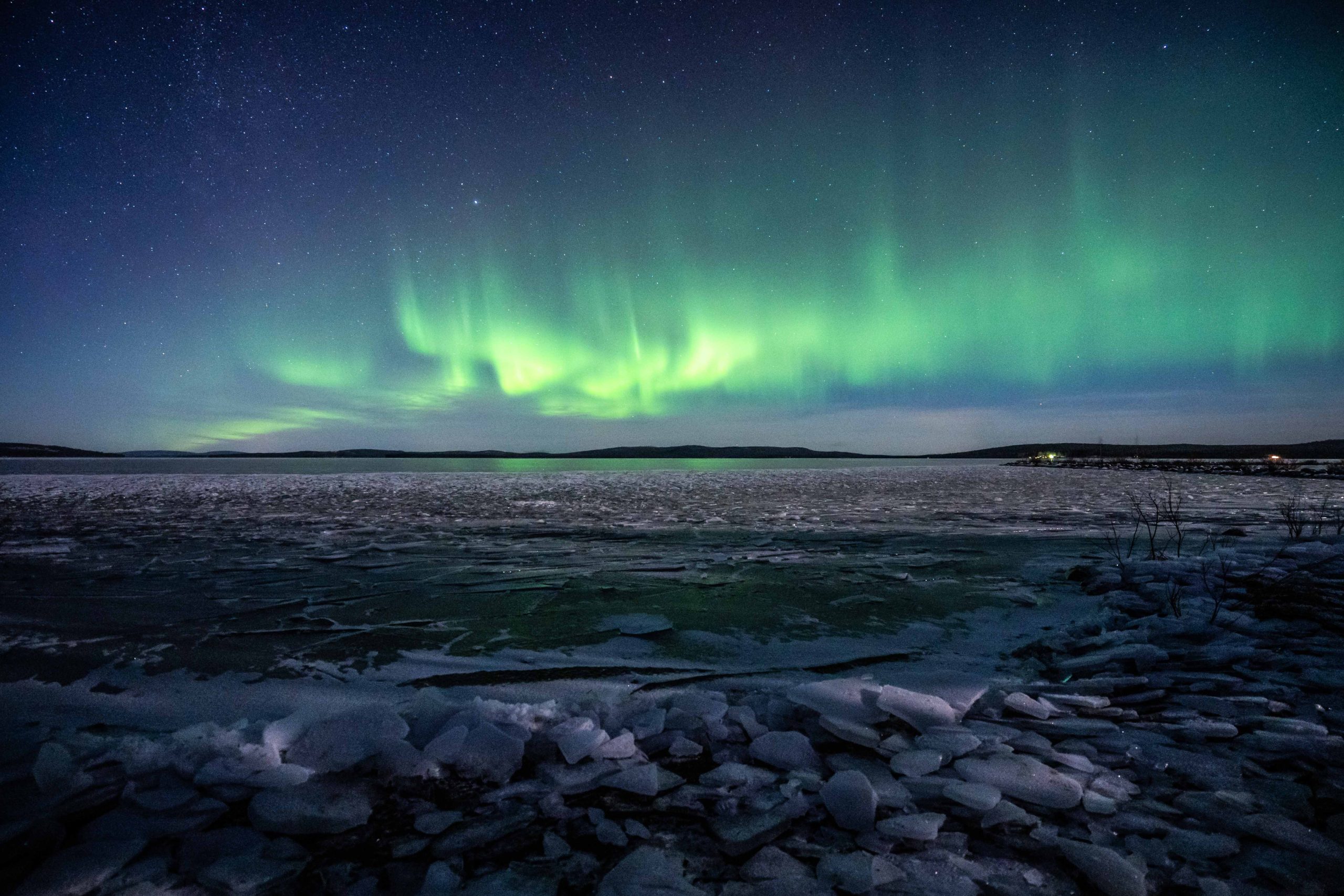
Positioned in the heart of autumn, October typically heralds the season’s first snowfall and the gradual freezing of lakes and rivers. Historically, it’s been a challenging month for Aurora watching, but October 2025 bucked this trend spectacularly with several bigger solar storms and amazing displays. Pros: ● Ideal levels of darkness for seeing the northern lights ● The enchantment of the first snow and formation of ice Cons: ● Potential for cloudy skies obstructing the view ● The inconvenience of slush ● Foggy conditions may reduce visibility
Navigating the Clouds: November
November marks the final phase of autumn, as the landscape is covered under the snow. Often cast in a rather grim and dark aura, November can pose some challenges for seeing the Northern Lights, largely due to persistent cloud cover. Pros: ● Unique, grim ambiance ● Opportunities for ice skating on the lakes ● The intriguing phenomenon of “singing” ice Cons: ● Persistent clouds can create problems ● Visitors usually prefer a distinct autumn or winter experience, and November tends to fall in between ● Presence of slush can be inconvenient
Embracing the Dark: December
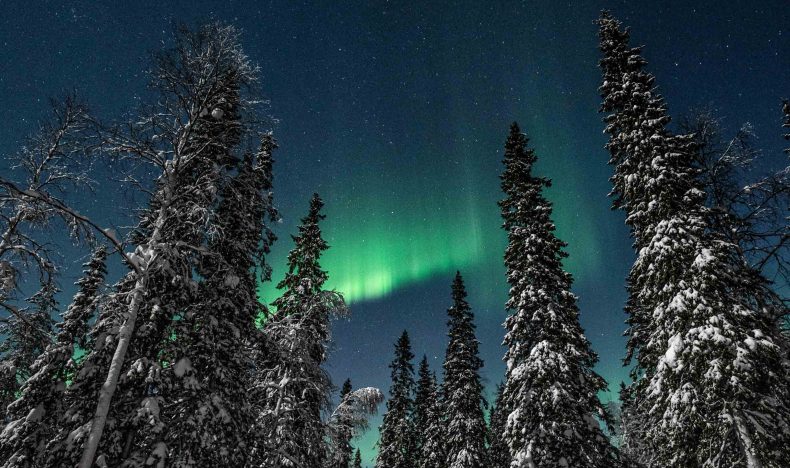
December is the first month of winter, with temperatures typically remaining below freezing. It is an ideal month for those wishing to photograph the Northern Lights against a picturesque winter wonderland backdrop. Moreover, December also offers the chance to experience the polar night—a period when the sun doesn’t rise or set. In Rovaniemi, located on the Arctic Circle, the shortest day of the year only has 90 minutes of daylight between sunrise and sunset. Pros: ● Captivating winter wonderland setting ● Unique polar night experience ● Festive Christmas season Cons: ● Cloud cover can obstruct views ● Cold temperatures may pose discomfort ● Tours and hotels are fully-booked due the high season
Braving the Cold: January
January, the coldest month of the year, truly embodies the true spirit of winter. January offers great chances for the Northern Lights hunters with the stunning backdrop of snow-covered landscapes. Pros: ● Picturesque snowy landscapes ● Optimum darkness for viewing northern lights ● Generally better weather conditions than the preceding months Cons: ● The temperature can drop significantly, making hunting the northern lights more difficult.
Final Phase of Winter: February
February signifies the end of the winter season as the first whispers of spring begin to be felt in Lapland. Offering one of the best opportunities to see the Northern Lights, February enjoys clearer skies, making aurora viewing a breeze. Pros: ● Beautiful snowy landscapes ● Generally more favorable weather conditions Cons: ● The temperature can still be exceedingly cold, necessitating proper winter attire.
Welcoming Spring: March
March marks the beginning of spring. The nights gradually brighten, snow begins to shed from the trees, and temperatures start to climb. Thanks to the season’s improved weather conditions and the effects of the spring equinox, March could arguably be the best month for seeing the northern lights. Pros: ● Often regarded as the prime month for Northern Lights viewing ● Influence of the spring equinox potentially enhances aurora visibility ● More comfortable, mild temperatures Cons: ● As spring sets in, the progressively brightening nights may slightly diminish the contrast between the aurora and the night sky.
Wrapping up the Season: April
April signifies the conclusion of the Northern Lights season as the nights progressively become brighter. Despite this, the weather in April is typically very favourable, making the first half of the month a great opportunity for seeing springtime Northern Lights. The last Northern Lights of the 2022 season appeared on April 20th, while in 2023, they were visible up until April 26th. Pros: ● Generally pleasant and stable weather conditions ● Milder, more comfortable temperatures Cons: ● Brightening nights can reduce the contrast of the Northern Lights against the sky, making them slightly less striking.
Conclusion
As we are standing in the start of a new Northern Lights season, the air is filled with excitement. The forthcoming season promises some of the most spectacular Northern Lights experiences imaginable, and we’re beyond excited to offer our guests the opportunity to witness these potentially once-in-a-lifetime experiences. By following the recipes for success, one can have a better chance of witnessing the dance of the Northern Lights. Check here your options for Aurora chasing in Lapland:
Northern Lights tours in ROVANIEMI
Northern Lights tours in LEVI
See you in Lapland!
Juho UutelaFounder & CEO
Juho is a true explorer who is always seeking for the next adventure. With more than a decade of experience in demanding hikes, mountain climbs and remote destinations around the world, Juho wanted to combine the explorer's spirit with his passion for photography. Beyond Arctic was born.
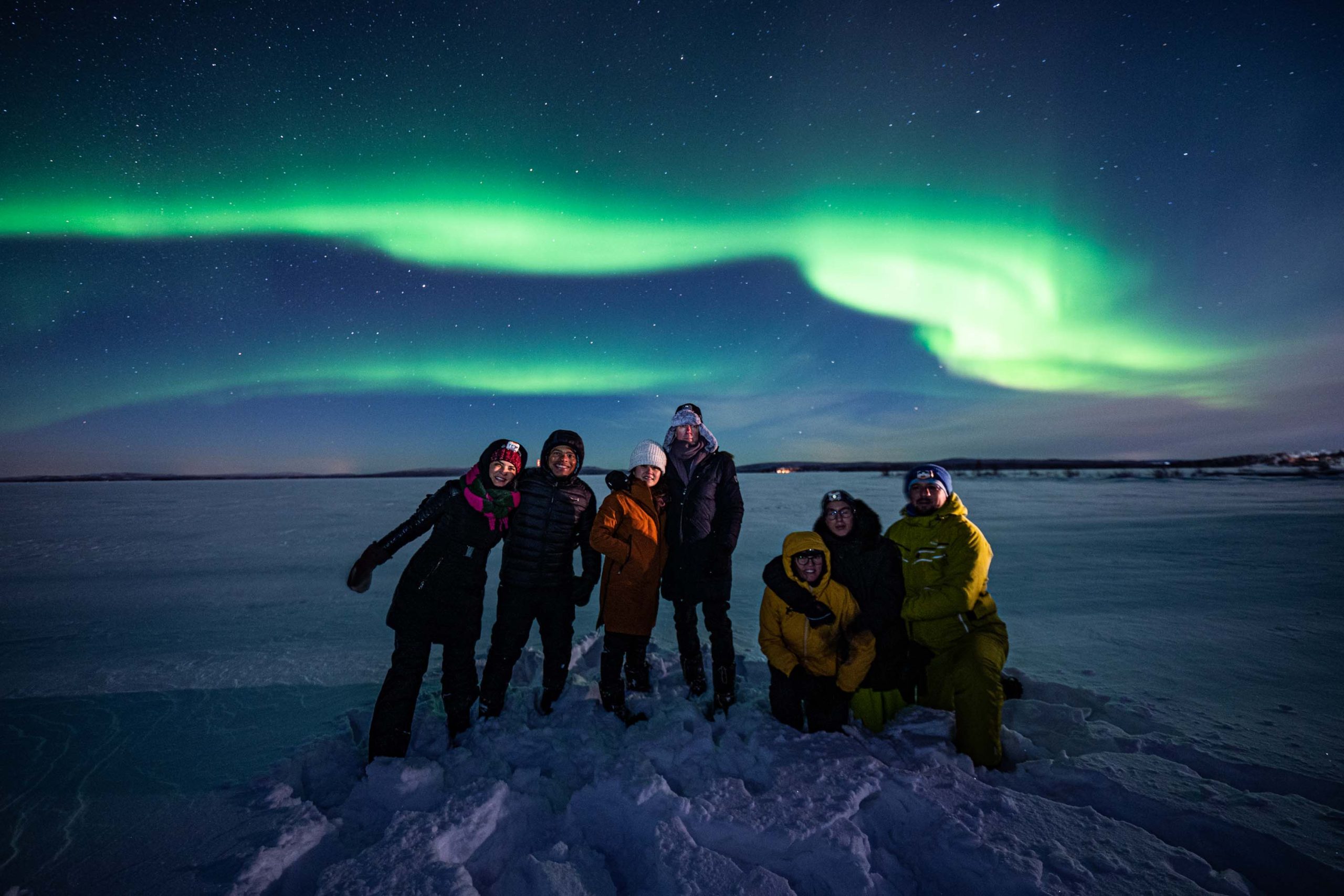
In Rovaniemi, you can join the original Beyond Arctic Aurora Hunters for an evening that combines expert guiding, comfort, and something extra that makes the experience especially rewarding: the night-time adventure is led by a professional photographer.
So, you have decided to travel to Rovaniemi? You are probably busy making plans to make sure you don’t miss any of the must-have experiences in the capital of Finnish Lapland. Make sure to include a visit to Santa Claus Village to your Rovaniemi bucket list!
Rovaniemi is more connected with the rest of the world than ever before, with many airports and airlines offering direct flights all through the winter. Here’s how you can come visit us in Lapland!

 Top Seller
 Beyond Originals
  Rovaniemi 145 € / person