Riisitunturi National Park Adventure
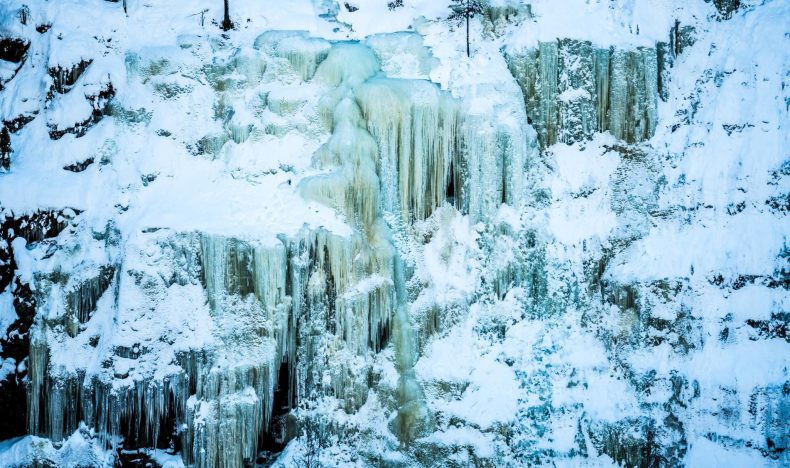
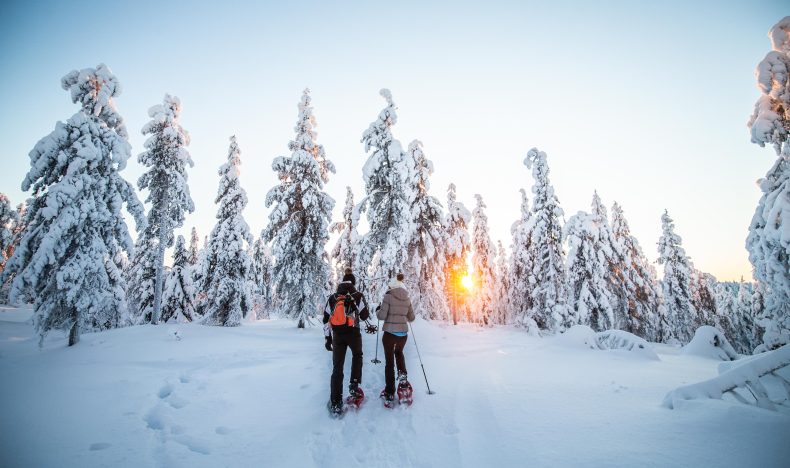
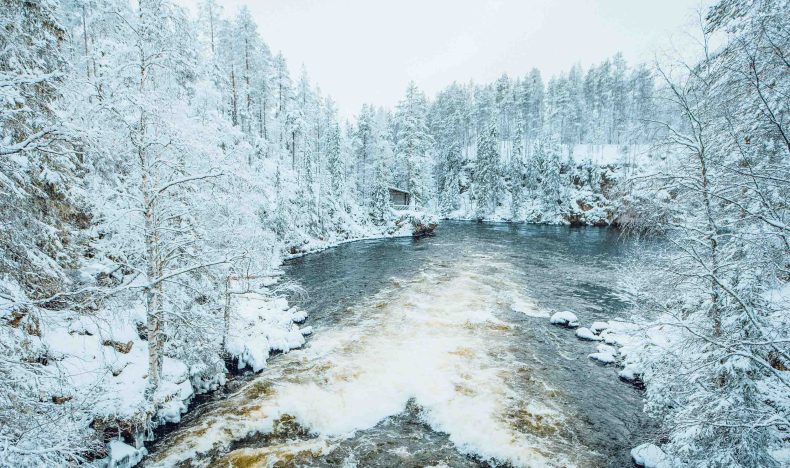
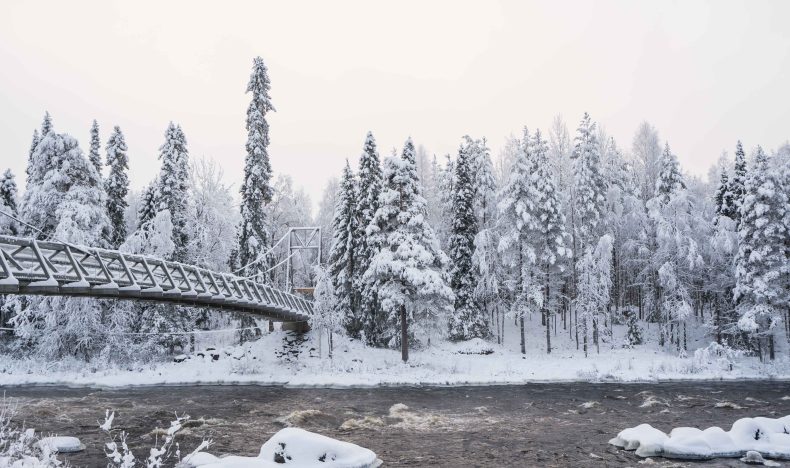
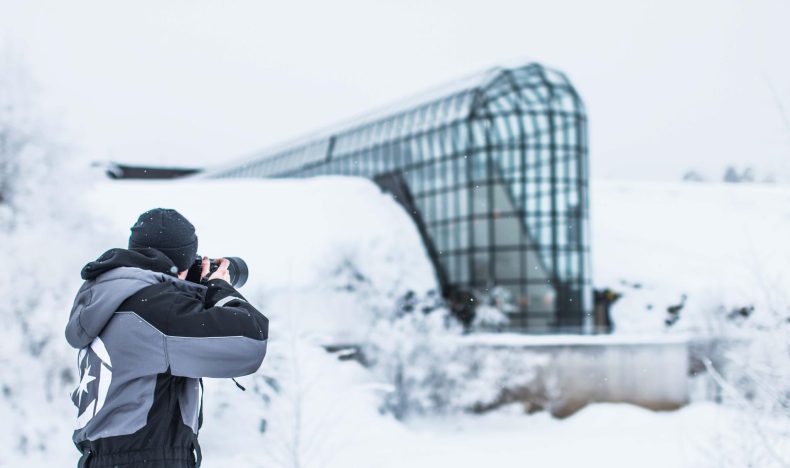
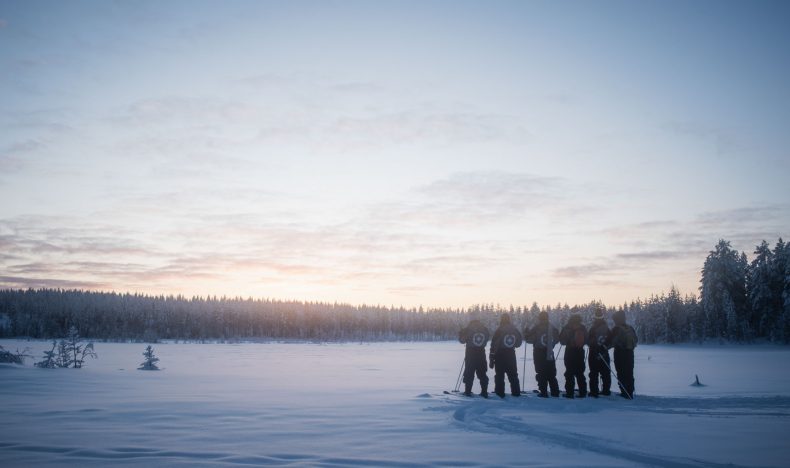
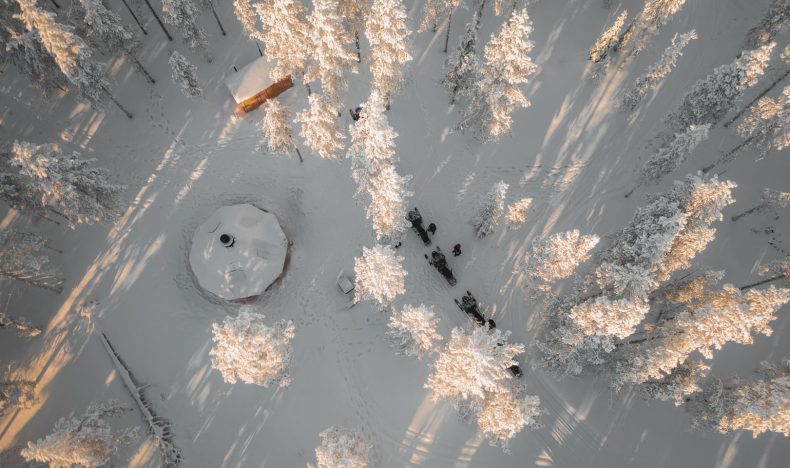
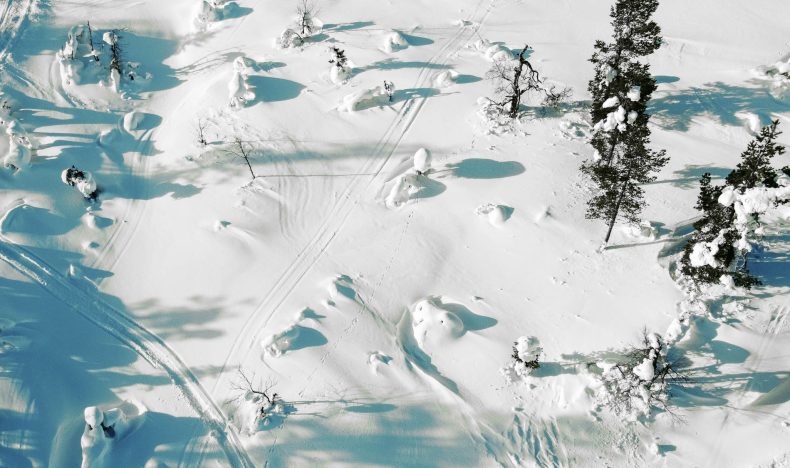
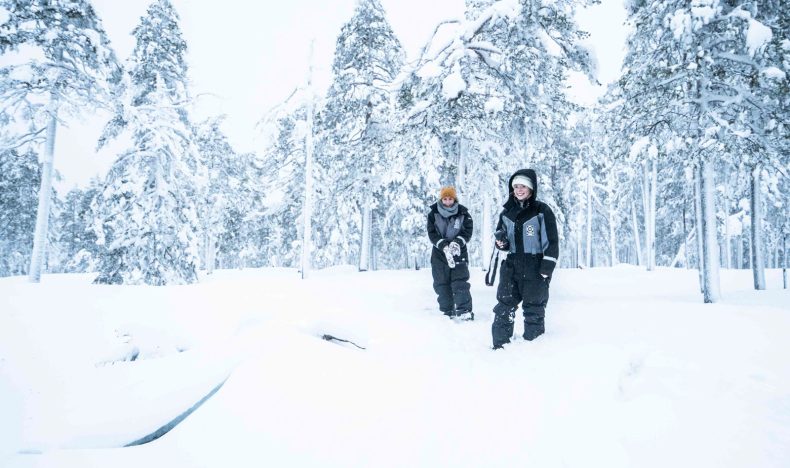
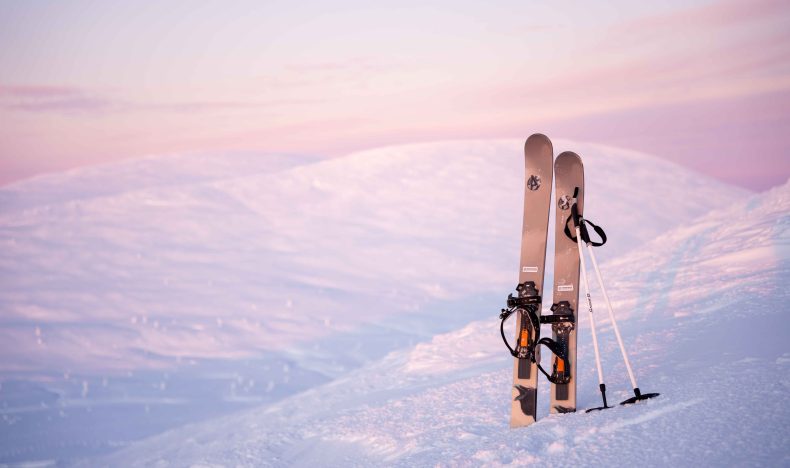
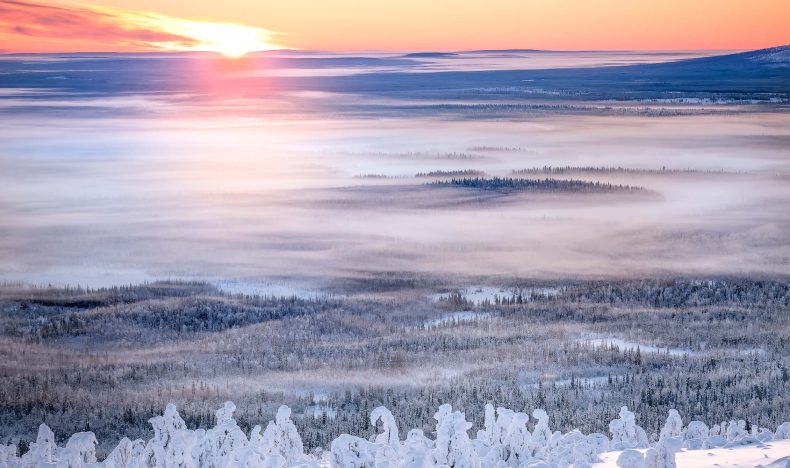
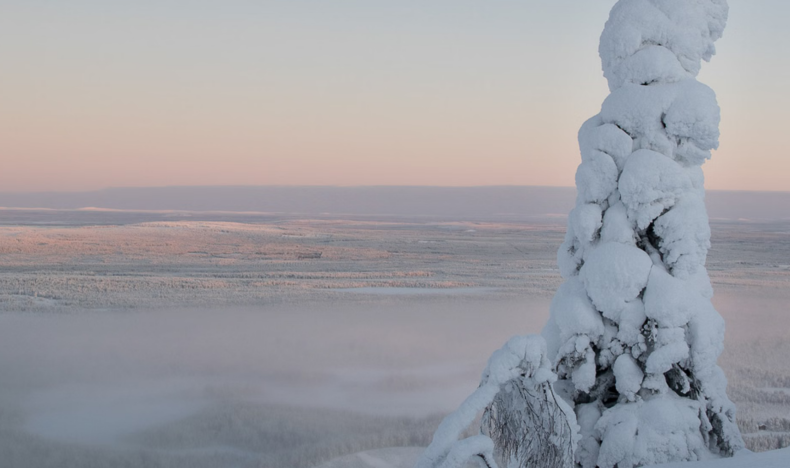
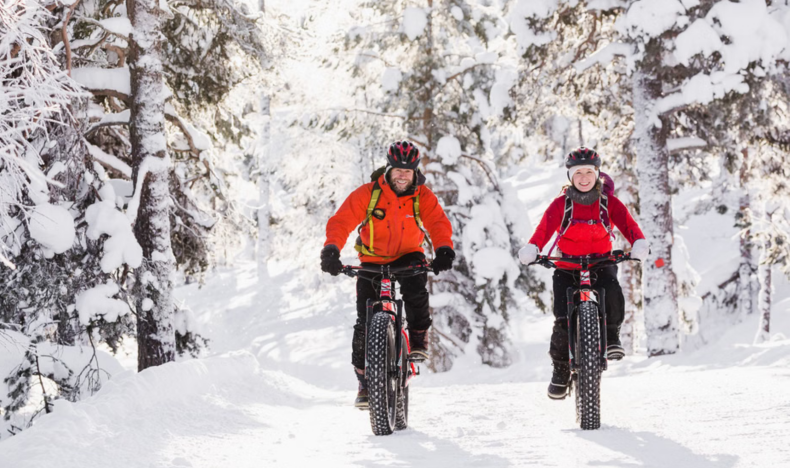
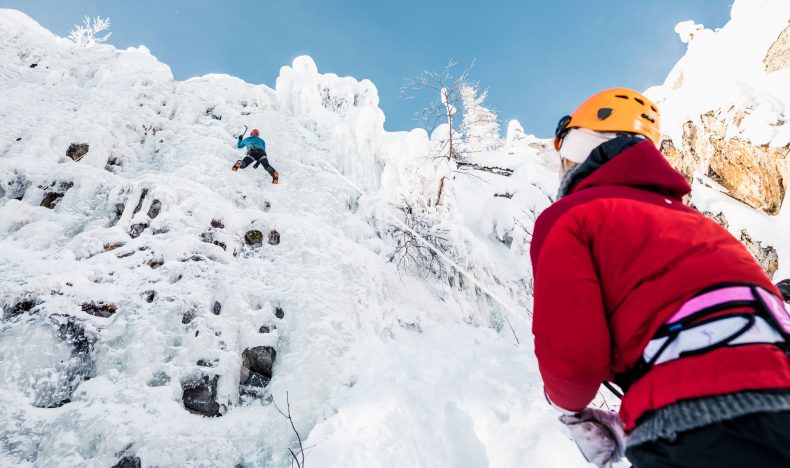
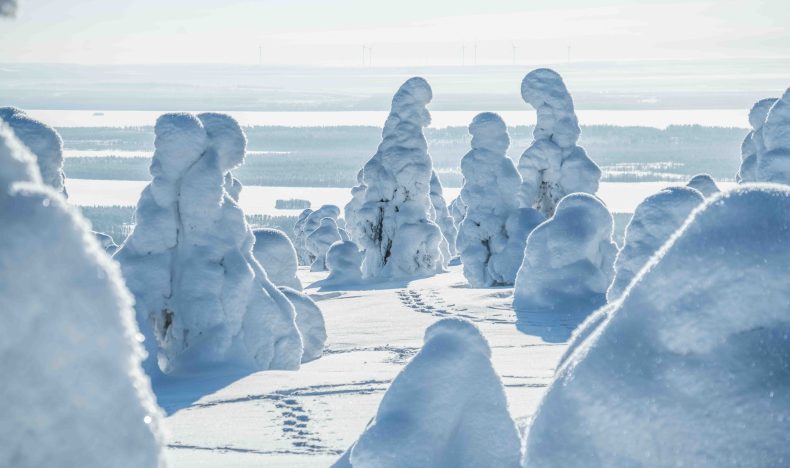
Explore Riisitunturi's snow-covered fells on an 8–9-hour small-group winter expedition with photography stops, a light campfire lunch and a 4–5 km route.
Aurora tours & Nature Experiences
Book now
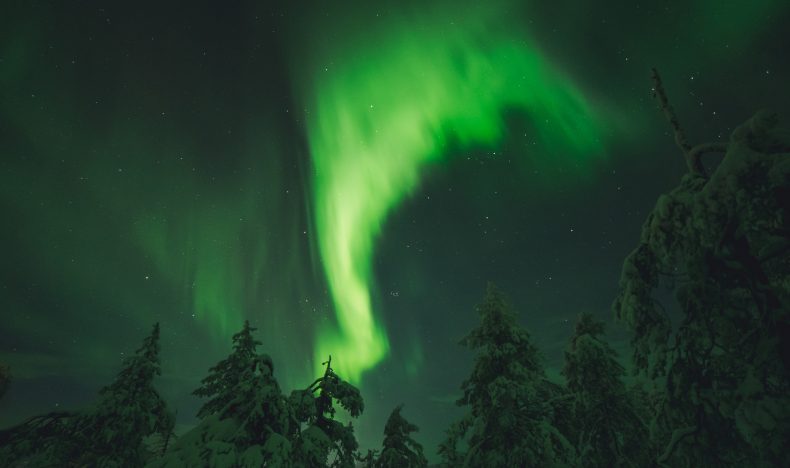
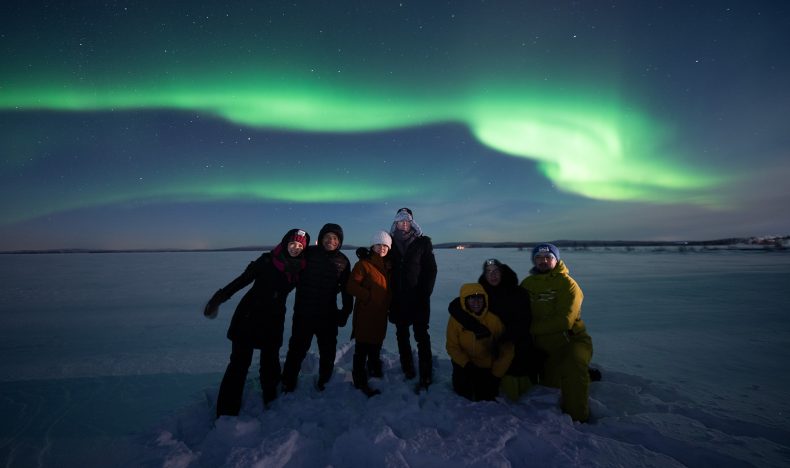
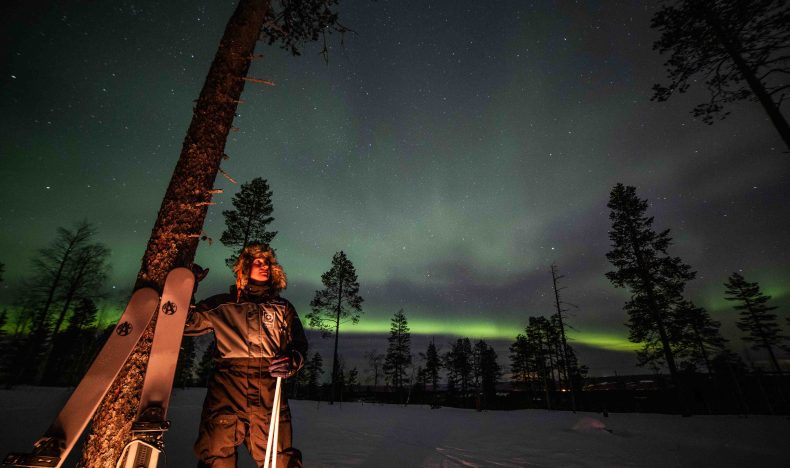
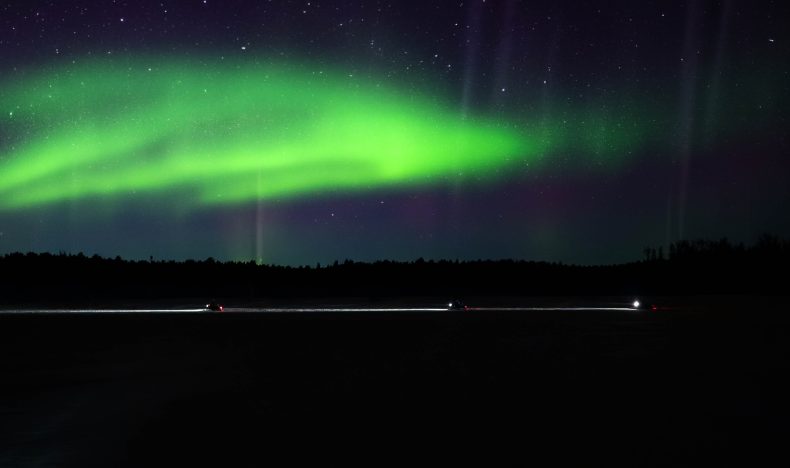
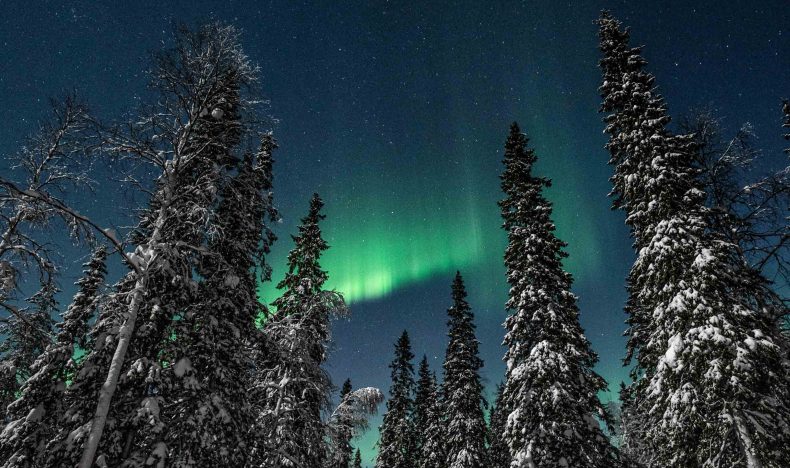
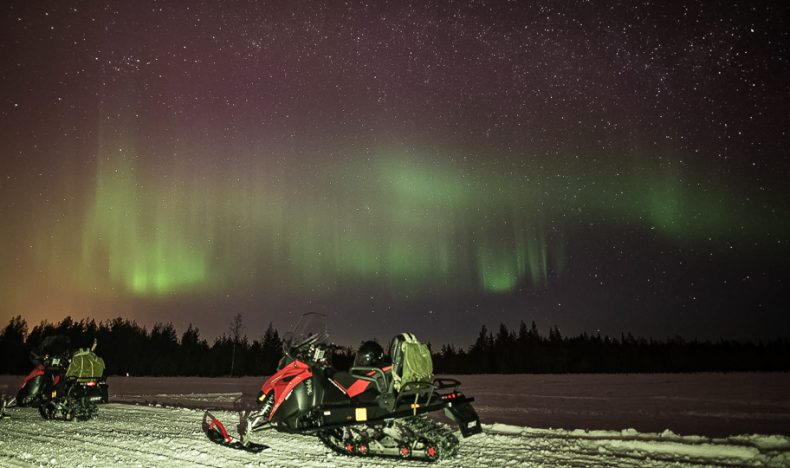
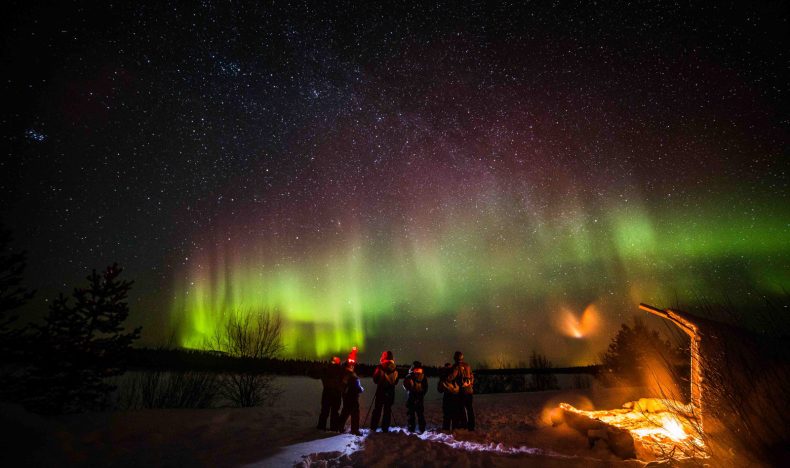
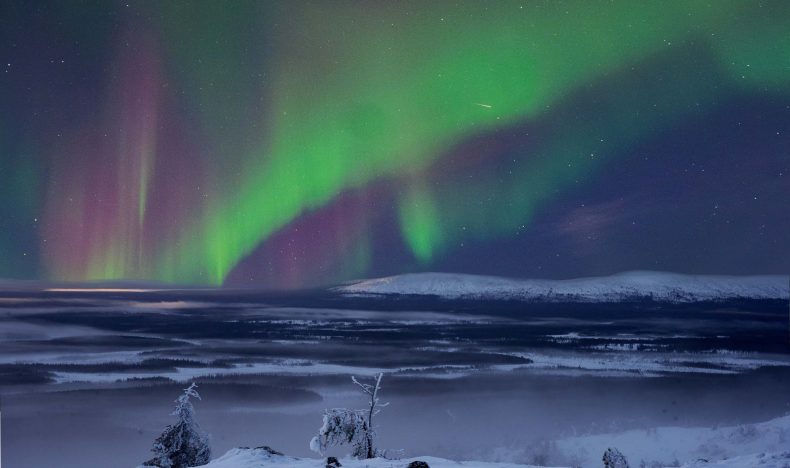
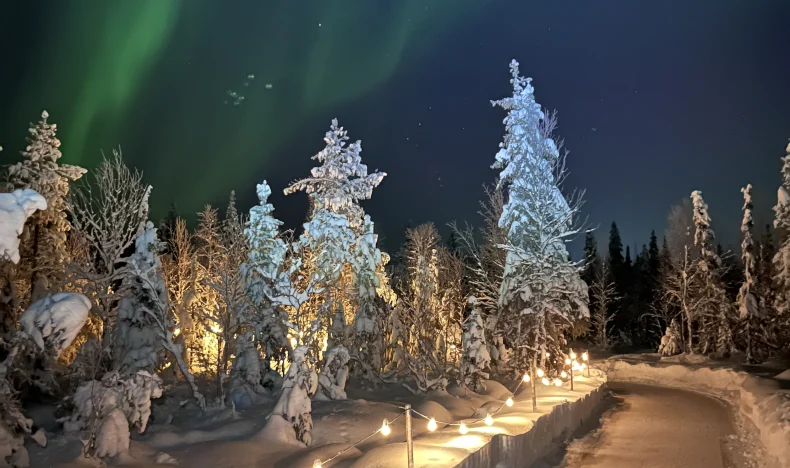
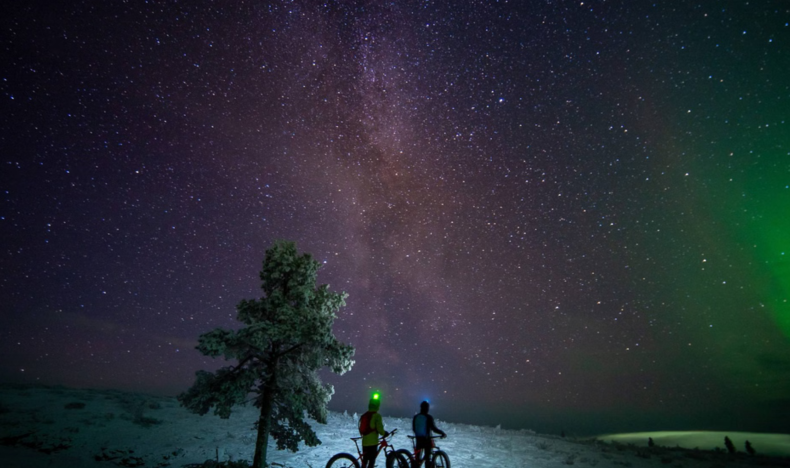
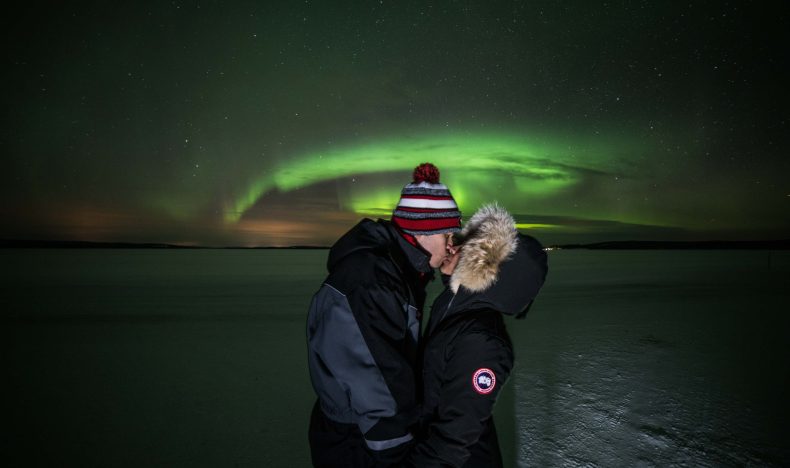
The best time to see the northern lights in Lapland is from late August to early April, on dark, clear nights, with the highest odds around the equinoxes and through the deep-winter months of December to March. There is no single perfect date — the aurora is a natural phenomenon — but get the season, the hours and the sky right, and Finnish Lapland is one of the most reliable places on Earth to watch the lights dance.
The best places to see the northern lights share three things in common: they sit under or near the auroral oval, they have long, dark winter nights, and they get you away from city light pollution. Finland, Norway, Iceland, Sweden, Canada and Alaska all qualify — but where you actually point your camera matters just as much as which country you fly to.
Learning how to photograph the northern lights comes down to three settings — a high ISO, a long shutter speed and a wide aperture — plus manual focus set to infinity and a steady tripod. Get those right and even a modest camera will capture colour and structure your eyes can barely see. Get them wrong and the brightest aurora of the season turns into a blurry, noisy smudge.
One of the more memorable sights visible in the winter sky in Rovaniemi doesn’t always mean the Northern Lights. During the darkest parts of the winter in December and January you will have the chance to see something uniquely beautiful, which social media users have taken to affectionately calling “cotton candy sky”.
When planning a trip to Finnish Lapland, you'll find no shortage of excursions to choose from. You will also quickly notice that some of the most popular experiences are available in two different formats – especially when it comes to Northern Lights tours.
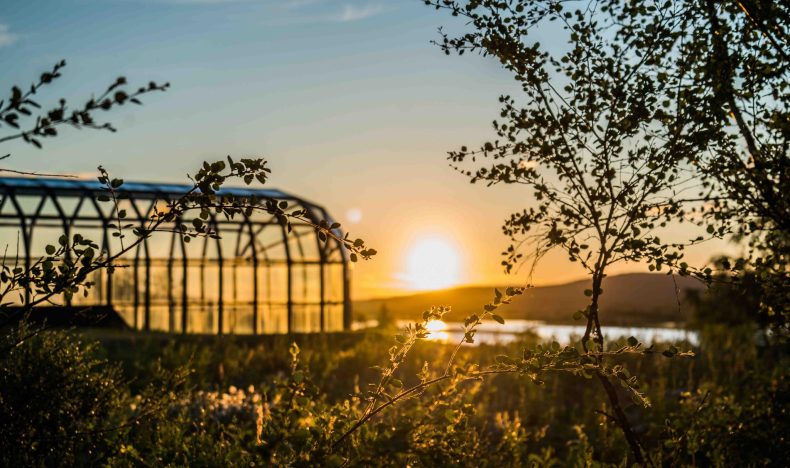
Early summer has arrived in Finnish Lapland, and with it comes one of the region’s most distinctive natural phenomena: the Midnight Sun. In Rovaniemi, the official Midnight Sun period begins in early June and continues until early July, when the sun remains above the horizon around the clock. When you visit Rovaniemi and Lapland at this time of year, you get a chance to experience the landscape in a completely different light – pun intended!
Rovaniemi Northern Lights tours are always on the “must-do” list for visitors to Finnish Lapland’s capital city, but in the second half of winter, we are really entering one of the best stretches of the winter season.
In Rovaniemi, many companies now advertise “guaranteed Northern Lights” tours — some even promise your money back if you don't see auroras. Sounds great, right? The problem is you can’t actually guarantee nature. The aurora is a natural phenomenon driven by solar activity, weather, and cloud cover. No matter how advanced the forecast tools are, no one can control the Arctic sky.
If you’re planning a winter trip to Rovaniemi between December and March, it’s wise to get familiar with the weather patterns of the Arctic and how they influence not just your daytime activities but also your chances of seeing the Northern Lights in the night time. Below is a month-by-month guide to what to expect from Rovaniemi weather conditions, and practical tips for travellers.
Simply contact us to plan your trip and claim your discount — we'll help you craft the perfect holiday experience.
Contact us!SAVE 20%
Book any of Beyond Arctic Original adventures for Autumn period and get 20% off with promo code AUTUMN26
Contact us!