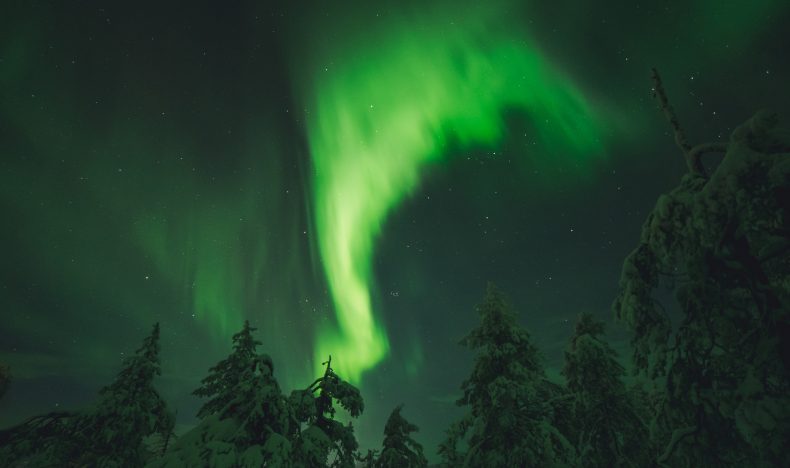
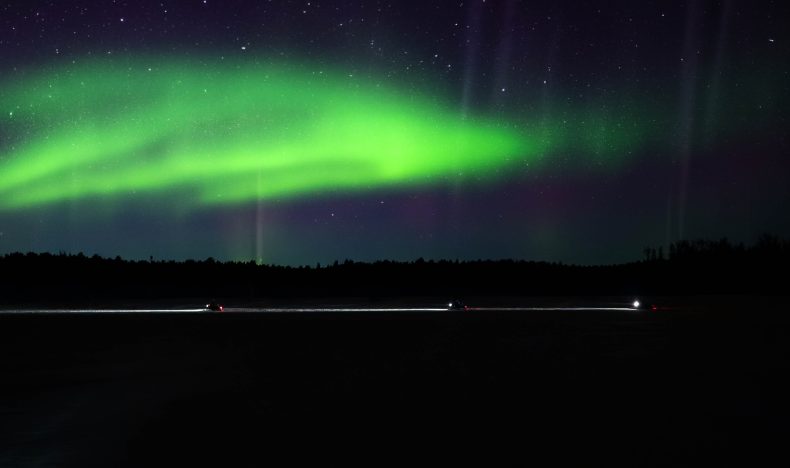
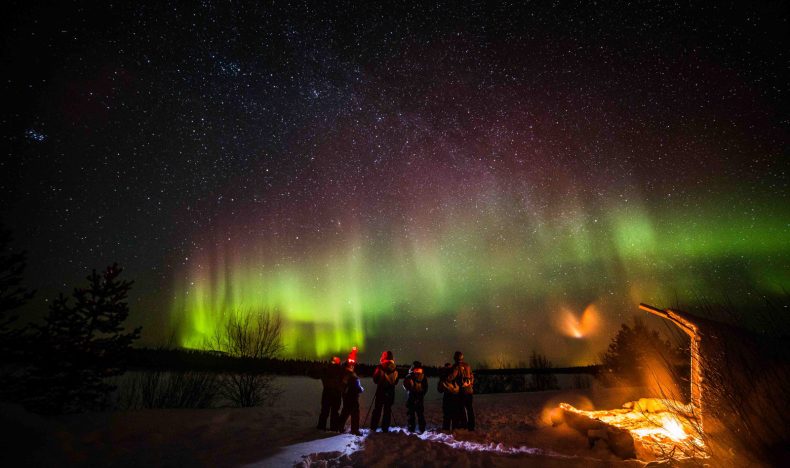
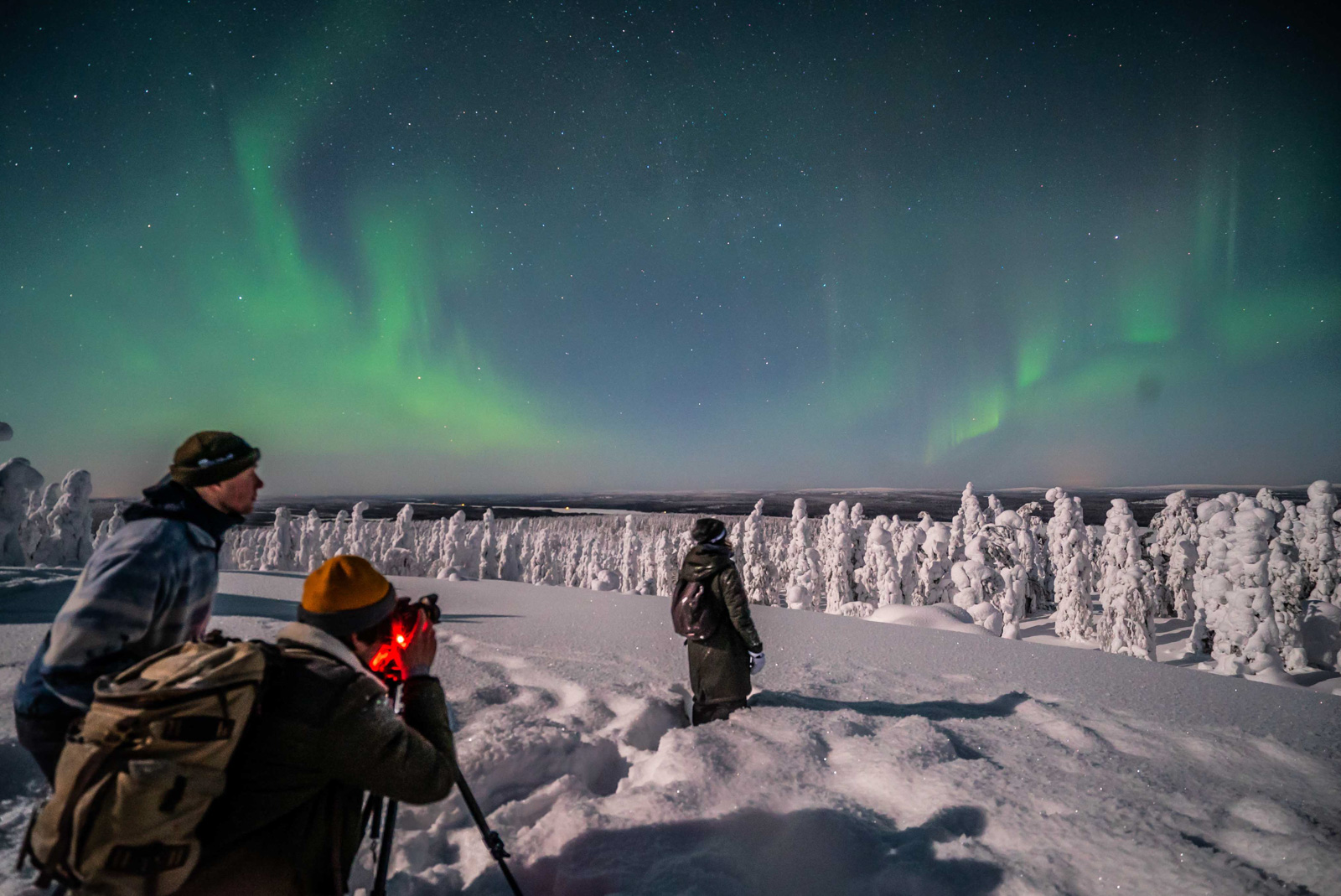
Hunt for the Northern Lights with your own group and a professional photographer, with a private location, flexible timing and professionally edited photos.
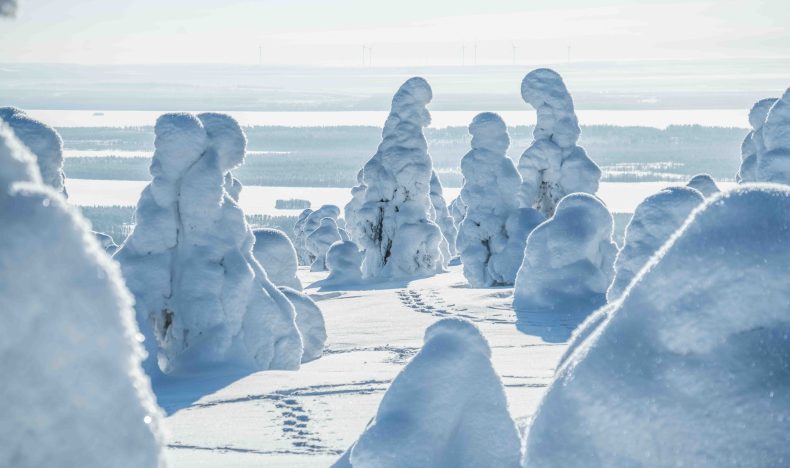
Explore Riisitunturi's snow-covered fells on an 8–9-hour small-group winter expedition with photography stops, a light campfire lunch and a 4–5 km route.
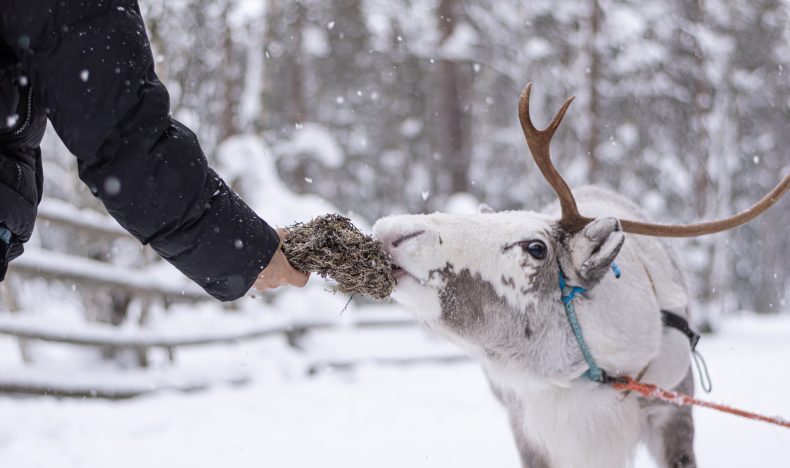
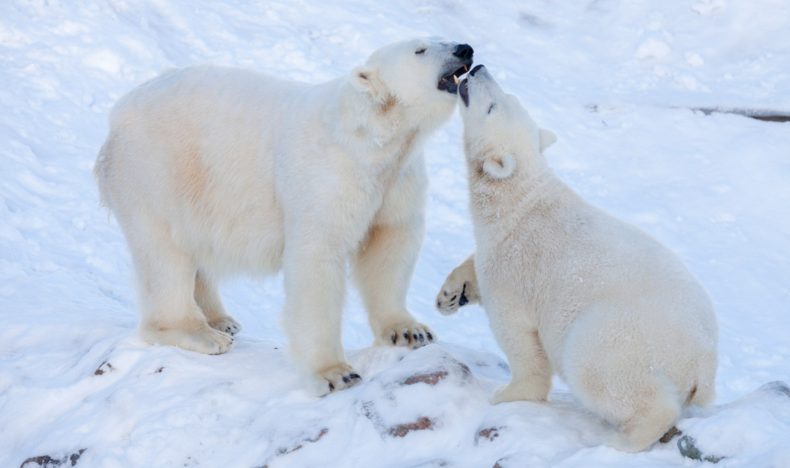
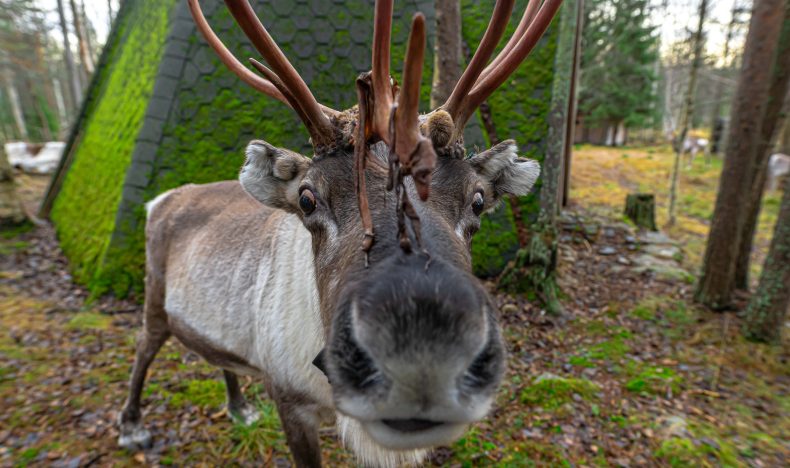
Visit Ranua Wildlife Park, home to more than 50 Arctic animal species, on a 5-hour tour from Rovaniemi with photography guidance and edited tour photos.
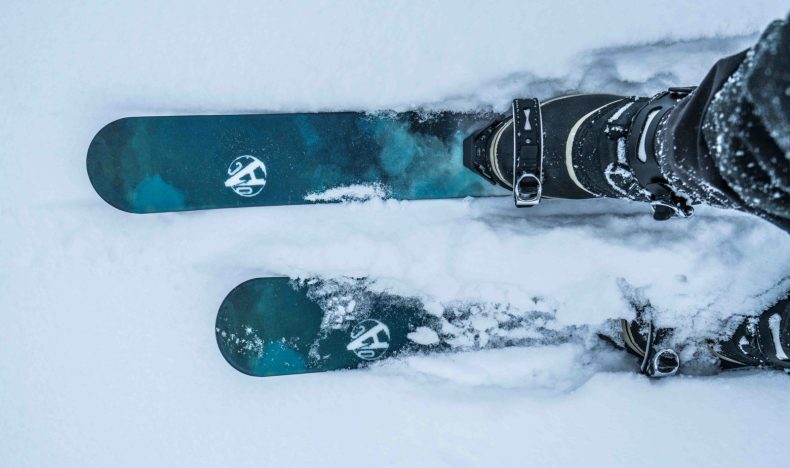
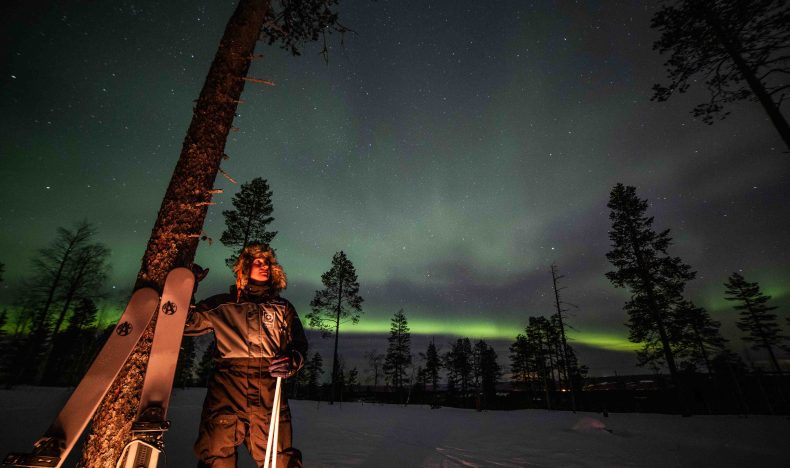
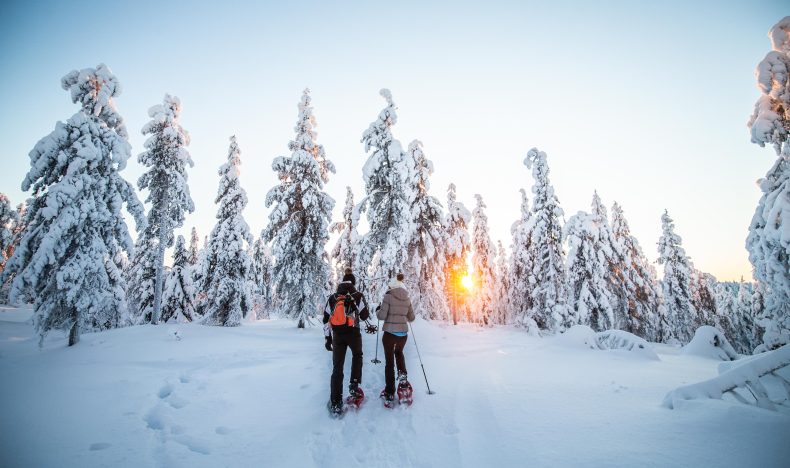
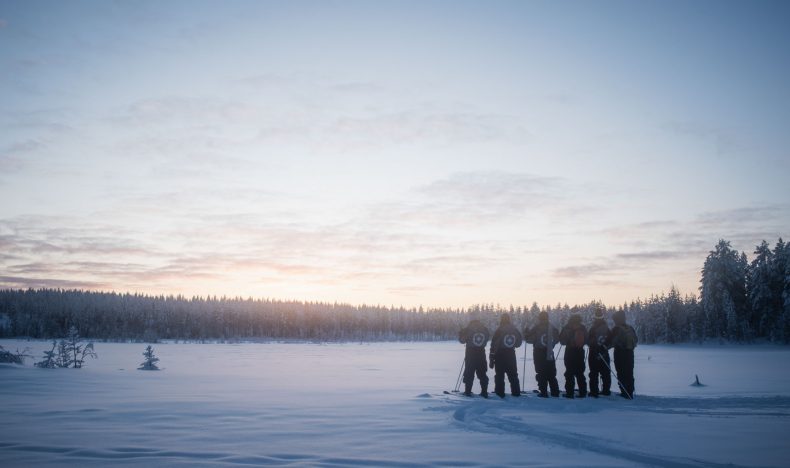
Learn the basics of backcountry skiing on a guided 3–4 km journey through peaceful forests near Rovaniemi, with photography and a relaxing campfire break along the way.
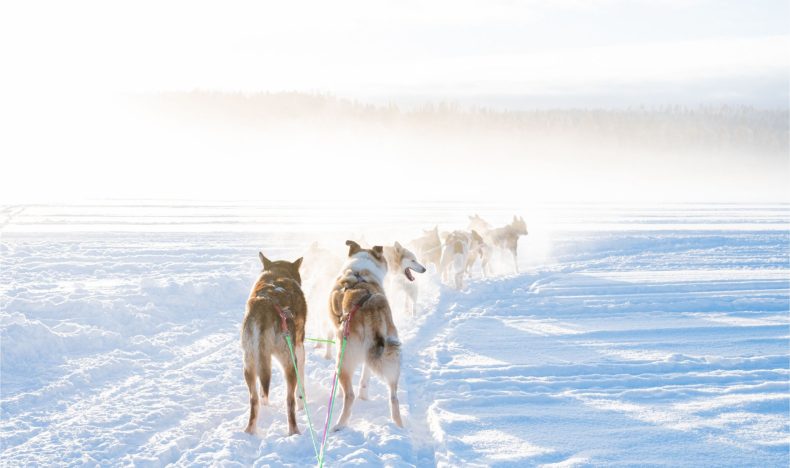
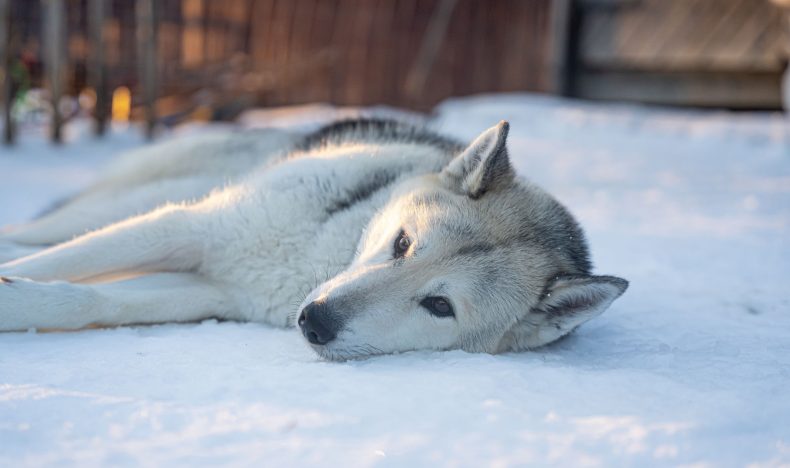
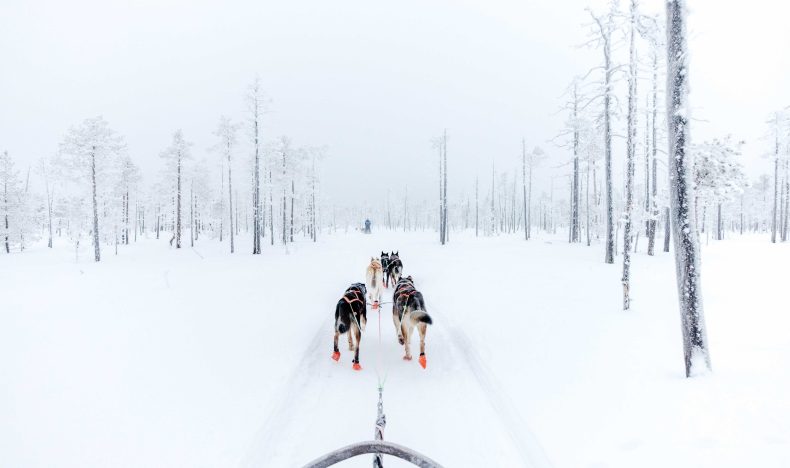
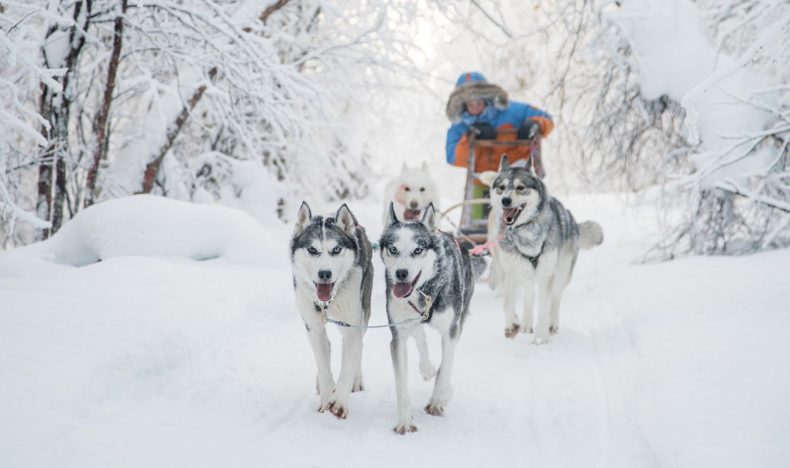
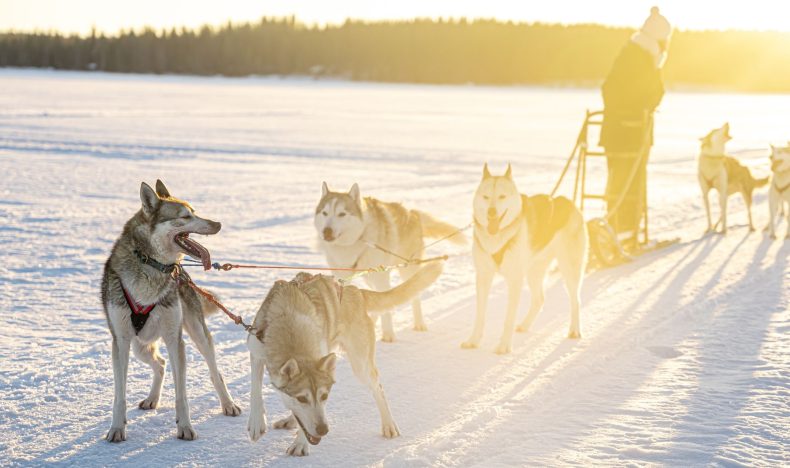
Mush your own husky team on a 12–18 km adventure through the wilderness outside Rovaniemi, then meet the dogs and enjoy stories and hot berry juice with cookies.
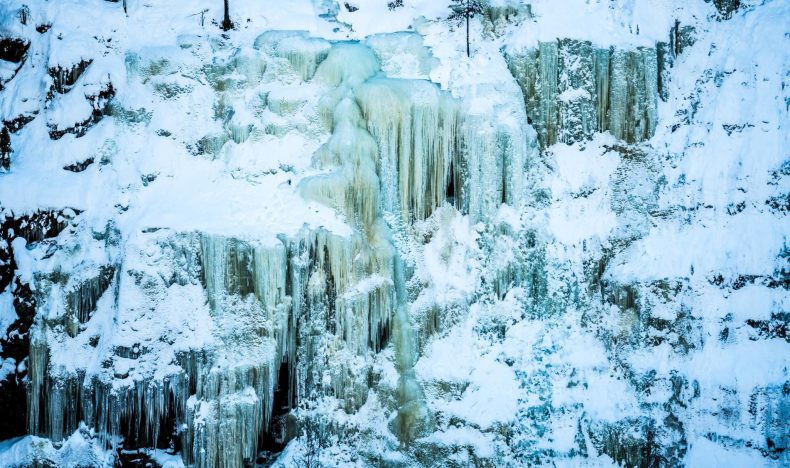
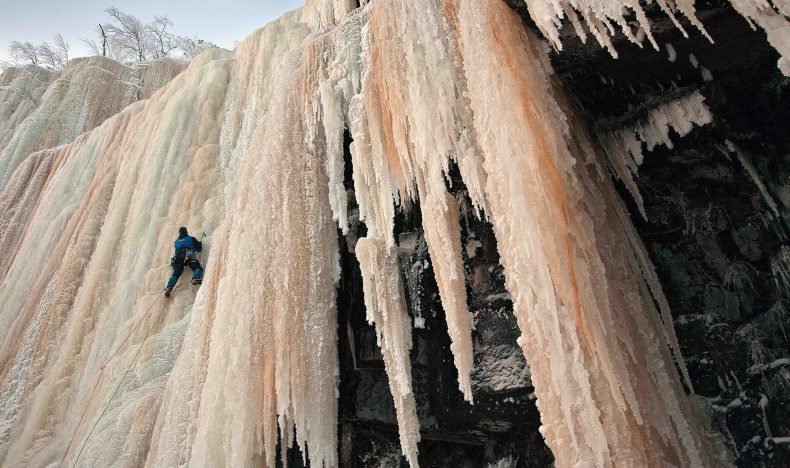
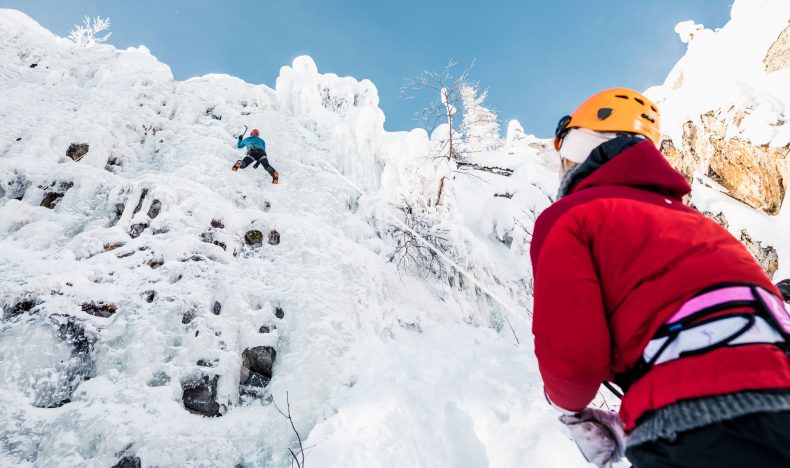
Travel from Rovaniemi to Korouoma Canyon for a full-day ice climbing adventure with a professional instructor, climbing equipment and return transportation included.
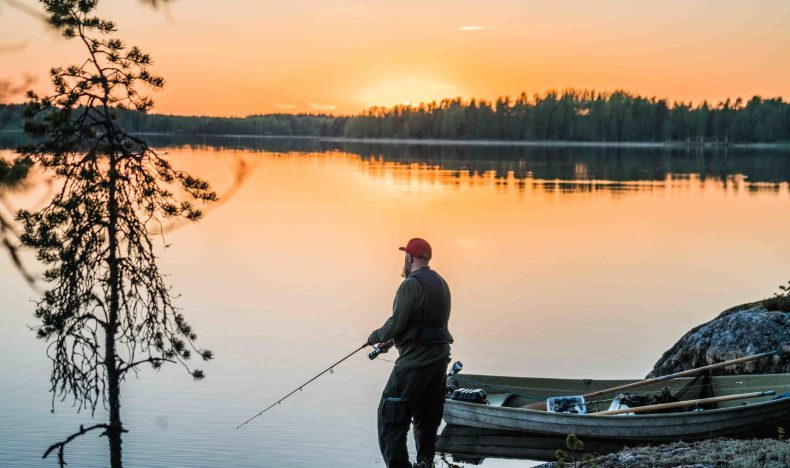
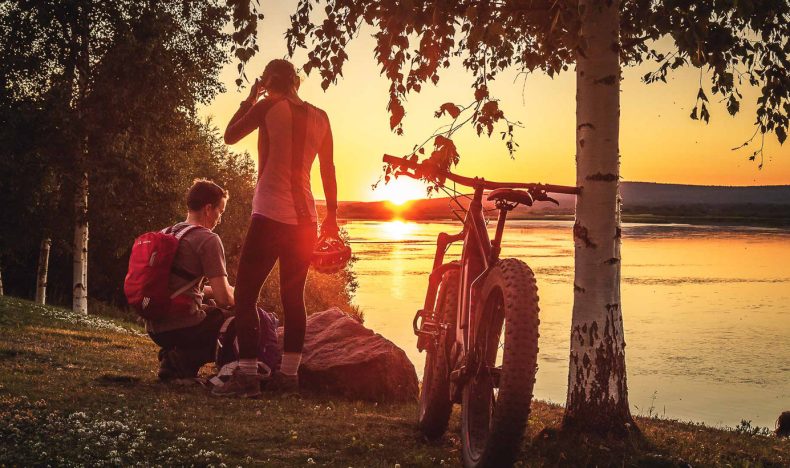
Photograph Rovaniemi's summer night light beside rivers, lakes and forests on a 3–4-hour small-group tour with camera guidance, a campfire stop and edited tour photos.
Photograph Rovaniemi's winter cityscape, frozen river and nearby snowy nature on a private 2-hour tour with a professional photographer and edited portraits.
Photograph Rovaniemi's riverside landmarks, summer light and nearby Lappish nature on a 2-hour tour with professional guidance and edited photos included.
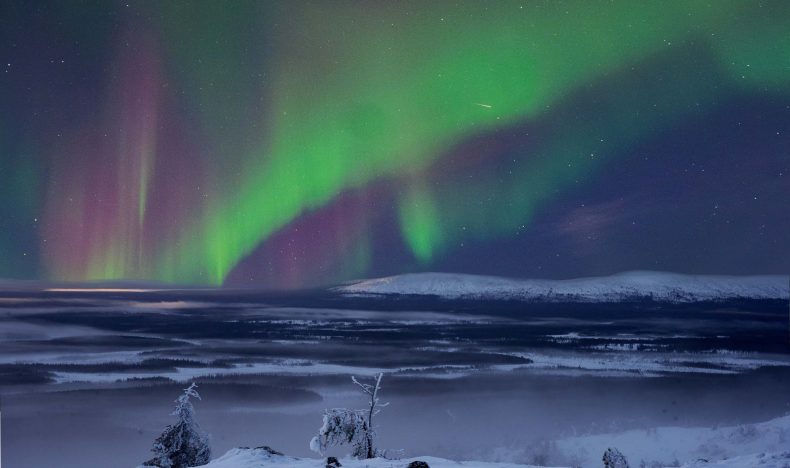
Hunt for the Northern Lights around Levi with a professional photography guide, camera support and edited tour photos. Aurora sightings are unpredictable and cannot be guaranteed.
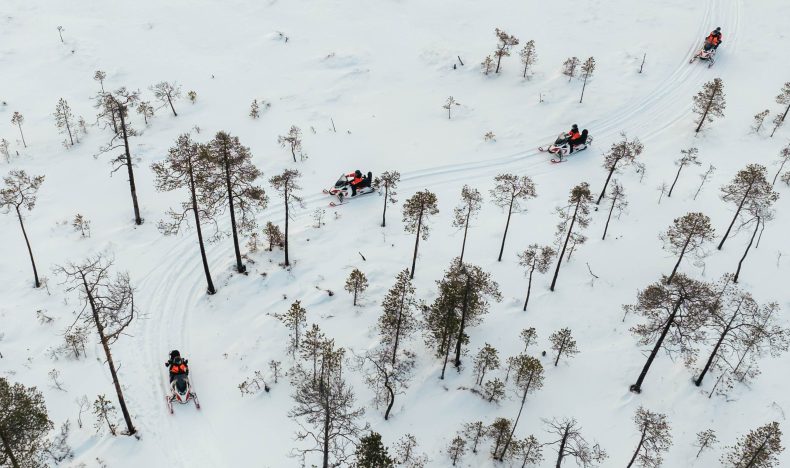
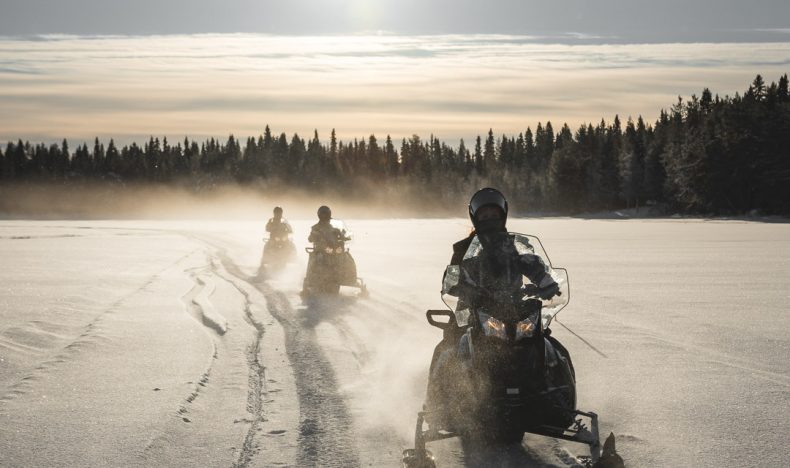
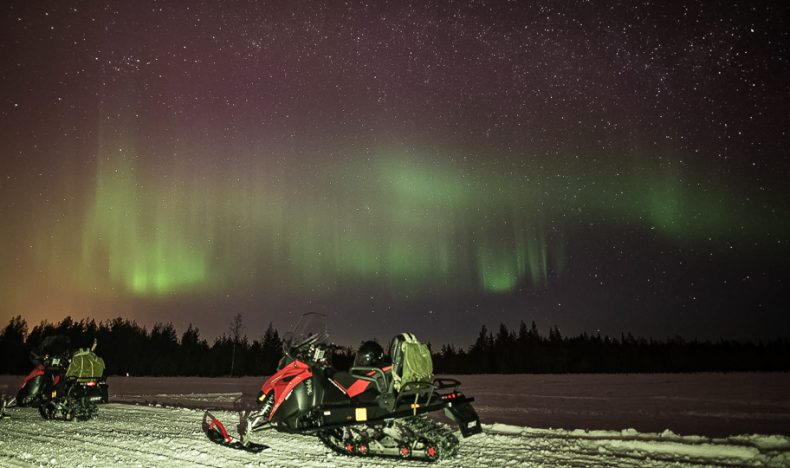
Ride a snowmobile through Levi's forests and frozen landscapes after dark, stopping to watch the sky and enjoy a fireside snack. Northern Lights sightings cannot be guaranteed.
Learn the basics of backcountry skiing on a small-group trip into the snowy wilderness near Levi, with specialist skis, warm clothing and photography guidance included.
The best places to see the northern lights share three things in common: they sit under or near the auroral oval, they have long, dark winter nights, and they get you away from city light pollution. Finland, Norway, Iceland, Sweden, Canada and Alaska all qualify — but where you actually point your camera matters just as much as which country you fly to.
This guide is written by people who stand out in that cold and dark for a living. Beyond Arctic is a photography-focused, small-group tour operator established in Rovaniemi in 2016, and we have chased clear sky over Rovaniemi, Levi and Pyhä-Luosto for the better part of a decade. We will be honest with you the whole way through — including the one thing the marketing-heavy operators won’t say out loud. For the full picture of how the aurora works and how to plan a trip, start with our pillar guide: northern lights in Lapland.
Where are the best places to see the northern lights?
The best places to see the northern lights are the high-latitude regions that sit beneath the auroral oval: northern Finland, northern Norway, Iceland, northern Sweden, the Canadian sub-Arctic and Alaska. Within any of these, the genuinely good spots are dark, away from city lights, with an open view to the north and a realistic chance of clear sky. Finnish Lapland combines all four and adds the longest run of statistically clear winter nights in the Nordics.
That short answer hides a lot of nuance, though. “Best country” and “best spot” are different questions, and the gap between a famous viewpoint with fifty tour buses and a quiet clearing twenty minutes away can be the difference between a snapshot and a memory. The rest of this article walks through both — the global regions first, then how to choose the right local spot once you have arrived. If timing is your main question, pair this with our companion guide on the best time to see the northern lights.
Best regions worldwide for the northern lights
There is no single “winner,” and we will not pretend otherwise. Each of the great aurora regions has a personality, a strength and a trade-off. Here is an honest field guide to the main ones.
Under the auroral oval; very accessible (90 min flight from Helsinki); statistically clear, stable inland skies; excellent infrastructure
Not coastal-dramatic like Norway; you trade fjord backdrops for forest, fell and frozen-lake scenery
Northern Norway (Tromsø, Lofoten, Senja)
Spectacular fjord and mountain foregrounds; sits high under the oval
Coastal weather is changeable — cloud rolls in fast off the Atlantic
Iceland
Aurora plus waterfalls, glaciers and geothermal scenery; easy to reach from North America and the UK
Famously cloudy and windy; you often have to drive far to find a clear gap
Northern Sweden (Abisko, Kiruna)
Abisko’s “blue hole” microclimate is genuinely dry and clear
Smaller tourism footprint; fewer flights and onward connections
Canada (Yellowknife, Yukon)
Very high aurora activity; clear continental skies
Long, expensive travel; extreme cold; remote
Alaska (Fairbanks)
Reliable activity directly under the oval
Far from most travellers; logistics-heavy
A few principles cut across all of them. Latitude matters, but not infinitely — once you are under the oval, going further north adds little. Inland tends to beat coastal for clear sky, which is why dry interior spots (Finnish Lapland, Abisko, Yellowknife) punish cloud less than the dramatic coasts. And accessibility is an underrated factor: a region you can reach in a single short flight gives you more nights on the ground, and more nights means more chances. That last point is the quiet reason Finnish Lapland ends up on so many shortlists.
Why Finnish Lapland is one of the best places of all
We are obviously not neutral here — Lapland is home. But the case for Finnish Lapland does not rest on opinion. It rests on geography and statistics.
It sits right under the auroral oval. Rovaniemi lies on the Arctic Circle, and Levi and Pyhä-Luosto are further north still. That means the lights can appear even on a moderate night, when southern locations would need a major storm to see anything at all. According to the Finnish Meteorological Institute, the aurora is visible in Lapland on a large share of clear, dark nights during the season — not every night, but often enough that patience is usually rewarded.
The skies are statistically clearer. Finland’s interior is dry and continental compared with the Atlantic coast of Norway or Iceland. Cloud is still the single biggest enemy of any aurora trip anywhere on Earth — but inland Lapland gives you better odds than the postcard-dramatic coasts, night after night.
It is genuinely easy to reach. Helsinki to Rovaniemi is about 90 minutes by air, and Kittilä (for Levi) roughly 100 minutes. You can be standing under a dark Arctic sky the same evening you leave a European capital. More accessible means more nights, and more nights is the real cheat code for aurora hunting.
The infrastructure is built for it. Warm gear, heated transport, local guides, accommodation across every budget — Lapland is a mature aurora destination, not a frontier. That maturity is exactly why the region rewards travellers who choose a knowledgeable local operator over a generic coach tour. For the deeper version of this argument, see our northern lights in Lapland guide.
One more thing, and it is the thing we promised to say out loud: nobody, anywhere, can guarantee you the northern lights. They are a natural phenomenon, not a contracted service. Any operator selling a “guaranteed aurora” tour is selling you a sentence, not a sky. What an honest operator can promise is that they will read the forecast properly, head out whenever there is a real chance, and drive to find a gap in the clouds when the activity is high. That is the whole difference, and it is why we wrote this guide the way we did.
Rovaniemi, Levi and Pyhä-Luosto: the three Lapland spots
Within Finnish Lapland, Beyond Arctic operates in three distinct areas, and each one suits a slightly different traveller. They are not interchangeable — choosing the right base is part of choosing the right trip.
Rovaniemi — the accessible all-rounder
Rovaniemi is the capital of Lapland and our home base, sitting on the Arctic Circle with the widest range of tours and the easiest logistics. It is the natural first-timer’s choice: a short flight from Helsinki, plenty of accommodation, and a short drive in almost any direction takes you from city glow to genuine darkness. Within minutes you reach frozen rivers, open lakes and quiet forest clearings that face north — exactly the kind of foreground that makes an aurora photograph sing.
Levi — fells, snow and a premium base
Levi, in Kittilä, is further north and built around a ski resort, which makes it a strong base if you want aurora hunting alongside snow activities. The surrounding fells give you elevation and open horizons, and nearby Pallas National Park offers some of the cleanest air and darkest skies in the country. Levi suits travellers who want a comfortable, premium base without sacrificing access to real wilderness.
Pyhä-Luosto — wilderness and dark-sky quiet
Pyhä-Luosto is national-park country: premium wilderness, ancient fells and very little artificial light. It is the choice for travellers who prioritise solitude and a pristine sky over convenience. Fewer people, darker nights, and a landscape of old-growth forest and rounded fells make it one of the most atmospheric aurora settings in Lapland — and a favourite of our photographers.
Across all three, the principle is the same: the named towns are where you sleep, not where you watch. The watching happens out in the dark, and where exactly we go on any given night depends on the forecast, the cloud and the wind. That is the next, and most important, part of this guide.
Away from light pollution: the spot that actually matters
Here is the single most useful idea in this whole article: the best place to see the northern lights is wherever the sky is darkest and clearest tonight — not whichever spot has the most famous name. A modest green arc seen from true darkness beats a brilliant display washed out by city glow every single time.
Light pollution is the quiet aurora-killer that beginners underestimate. Streetlights, hotel signs and the orange dome of glow that hangs over every town all raise the brightness of the sky and drown out the faint, structured colour that makes the aurora beautiful. You can check how dark a given area is using a light-pollution map from DarkSky International before you travel — it is genuinely one of the best free planning tools there is.
In practice, a good dark spot has four qualities:
Distance from town glow. Even fifteen to twenty minutes out of a small Lapland town makes a visible difference; the orange dome falls away behind you.
An open view to the north. The aurora most often appears in the northern sky, so you want a clearing, a frozen lake or a fell shoulder with nothing blocking that horizon.
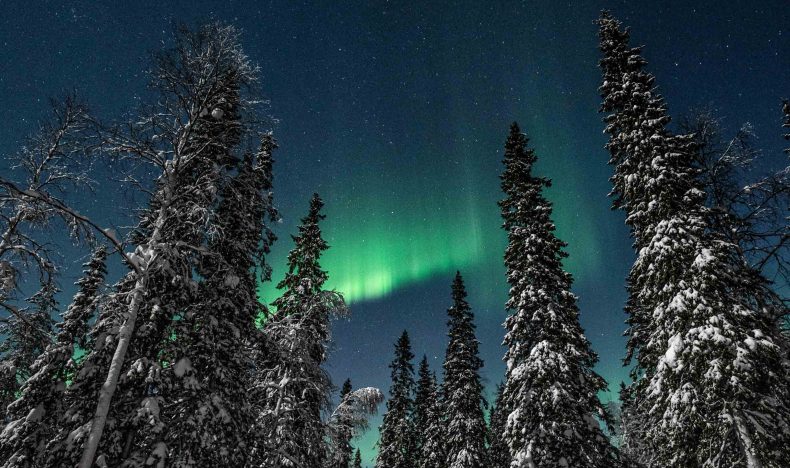
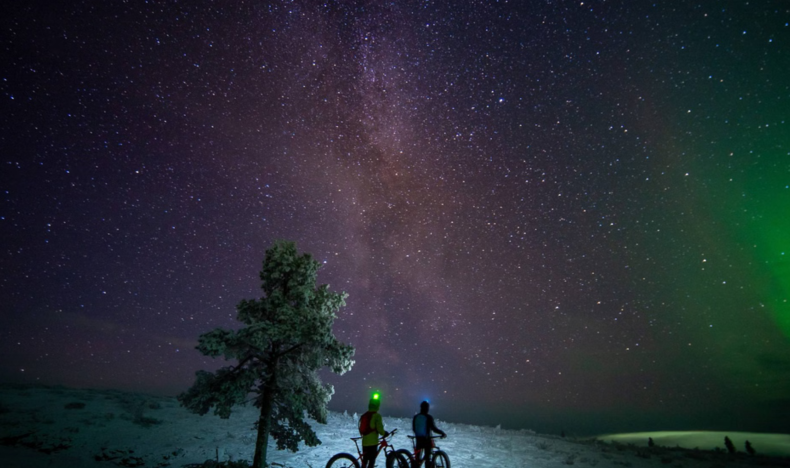
A foreground worth keeping. A lone pine, a snow-laden spruce, a frozen shoreline — the foreground is what turns a green smear into a photograph you will print.
Shelter from wind, not from sky. The best spots let you stay warm and stay out longer; the people who see the most aurora are simply the people who endure the longest.
You do not need a tour to apply these four rules — you can rent a car, drive away from the lights, and wait. Plenty of independent travellers do exactly that and have wonderful nights. What a guide adds is local knowledge of which of dozens of dark spots is right for tonight’s specific wind and cloud, and the experience to keep you safe and warm while you wait for it.
From the field: One October night the forecast was strong but a low cloud bank had parked itself directly over Rovaniemi. The city viewpoints showed nothing but a grey, glowing ceiling. Rather than wait it out, our guide checked the cloud radar, pointed the group’s transport south-east, and drove roughly forty minutes to a frozen-lake clearing that the radar showed sitting under a clean gap in the cloud. Twenty minutes later the whole northern sky was moving in green and faint red, with the city glow far behind us and the lake reflecting the colour. The lesson was not “we got lucky” — it was that the right dark spot on the right night is something you find, not something you book in advance.
Local secret spots: how a guide finds the right one
Every serious Lapland operator has a mental map of “secret spots” — and we want to be careful and responsible about how we talk about them, because some of these places are fragile, some sit on private or protected land, and publishing exact coordinates would ruin both the place and the experience. So instead of giving you a map, we will give you something more useful: how the spots actually get chosen.
The “secret” is not really a single hidden location. It is a portfolio of dozens of dark spots plus the judgement to match the right one to the night. As our team puts it, planning a tour does not mean having one location — it means having dozens to choose from, and continuing to find more. On any given evening the decision comes down to a handful of factors a local reads almost automatically:
Tonight’s cloud, not tonight’s hype. Activity forecasts tell you whether the aurora is likely; the cloud radar tells you where you can actually see it. We weight the radar heavily and drive to the gap.
Wind direction and shelter. A clearing that is perfect in still air is miserable in a north wind. Local knowledge means knowing which spot stays bearable so you can outlast the cloud.
Foreground and composition. A photographer’s spot is chosen for what is in front of the aurora — a particular pine, a bend in a frozen river, a fell silhouette — not just for darkness.
Access and safety in the dark and cold. Some of the most beautiful spots are reachable safely only with the right transport, the right gear and someone who knows the route. This is where a guide earns their place.
Keeping it sustainable. We rotate locations so no single fragile spot gets trampled, we carry our litter out, and we use electric snowmobiles where snowmobiles are needed. Responsibility is the reason these spots stay worth visiting — more on our approach on the sustainable travelling page.
This is also where the professional photographer on every Beyond Arctic tour changes the night. Our guide is not “sometimes a photographer” — they are a working photographer who reads the sky, chooses the spot for its composition, teaches you how to capture the light on your own camera or phone, and then delivers edited images to you afterwards. You leave with the experience and the photographs, in a group of no more than eight people, never a coach-load. We do not promise the aurora — but we promise to go out whenever there is a real chance, and to tell you the truth about the conditions every time.
Plan your northern lights trip with Beyond Arctic
Beyond Arctic is a photography-focused, small-group adventure operator founded in Rovaniemi in 2016 by Juho and Annika, with a professional photographer on every single tour. We run aurora tours across Rovaniemi, Levi and Pyhä-Luosto, we hold the Sustainable Travel Finland label, and we work with a maximum of eight guests so the night stays personal and the dark spot stays uncrowded.
If you want help turning “which country?” into a real plan — the right base, the right nights, the right dark spots for the conditions — we are happy to talk it through. Private northern lights tours start from €800 per group (please confirm current pricing when you enquire), and every aurora tour includes warm gear, hot drinks, tripod use and 5–15 edited photographs delivered free, without watermarks, within 2–7 days at gallery.beyondarctic.com.
What is the best place to see the northern lights?
The best places to see the northern lights sit under the auroral oval: northern Finland, northern Norway, Iceland, northern Sweden, the Canadian sub-Arctic and Alaska. Within any of them, the best spot is wherever the sky is darkest and clearest on the night, with an open view to the north. Finnish Lapland combines dark skies, clear inland weather and easy access.
Which country is best for seeing the northern lights?
There is no single best country — Finland, Norway, Iceland, Sweden, Canada and Alaska are all excellent. Finnish Lapland stands out for statistically clearer inland skies and very easy access (a 90-minute flight from Helsinki), while Norway offers dramatic fjord scenery and Iceland pairs the aurora with waterfalls and glaciers. The right choice depends on the scenery and logistics you prefer.
Where in Finland is best for the northern lights?
In Finnish Lapland, Rovaniemi is the most accessible all-rounder, Levi adds fells and a premium ski-resort base near Pallas National Park, and Pyhä-Luosto offers the darkest, most pristine wilderness skies. In all three, you sleep in town but watch from dark spots a short drive away, chosen on the night for clear sky and an open northern horizon.
Do I need to get away from city lights to see the aurora?
Yes, as much as you reasonably can. Light pollution from streetlights and town glow washes out the faint colour and structure of the aurora, so even fifteen to twenty minutes outside a small Lapland town makes a visible difference. Use a light-pollution map to find dark areas, and look for a clearing or frozen lake with an unobstructed view to the north.
Can you guarantee seeing the northern lights on a tour?
No. The northern lights are a natural phenomenon, and no honest operator can guarantee them — cloud and space weather decide the outcome. What a good operator can do is read the forecast and the cloud radar, head out whenever there is a real chance, and drive to find clear sky. Be cautious of any tour marketed as “guaranteed aurora.”
How many nights should I plan to see the northern lights?
Plan at least three nights, and more if you can. Because cloud and activity vary night to night, a single evening is a gamble; three or more independent attempts dramatically improve your odds. This is one reason highly accessible regions like Finnish Lapland are popular — easier travel means you can afford more nights on the ground for the same trip.
Are coastal or inland spots better for the aurora?
Inland spots generally give clearer skies, which is the single most important factor. Dramatic coasts like northern Norway and much of Iceland offer stunning foregrounds, but Atlantic weather brings frequent cloud. Dry interior locations — inland Finnish Lapland, Abisko in Sweden, Yellowknife in Canada — tend to punish cloud less, so you see the lights on a larger share of nights.
What makes a good photography spot for the northern lights?
A good aurora photography spot is dark, has an open view to the north, offers a strong foreground (a lone pine, a frozen shoreline, a fell silhouette) and provides enough shelter to let you stay out longer. The best spot also depends on the night’s specific wind and cloud, which is where a local photographer-guide adds the most value over a fixed, famous viewpoint.
Juho is a true explorer who is always seeking for the next adventure. With more than a decade of experience in demanding hikes, mountain climbs and remote destinations around the world, Juho wanted to combine the explorer's spirit with his passion for photography. Beyond Arctic was born.
Rovaniemi is more connected with the rest of the world than ever before, with many airports and airlines offering direct flights all through the winter. Here’s how you can come visit us in Lapland!
If you are planning to visit Rovaniemi this winter, you’ve probably wondered: when does snow come to Rovaniemi? Knowing what winter and snow activities are possible during your visit is essential to the entire experience, after all.
The Northern Lights season of autumn and winter 2025-2026 is just around the corner here in Rovaniemi. Here's what you need to know before planning your Northern Lights Adventure in the Arctic!

 Top Seller
 Beyond Originals
  Rovaniemi 145 € / person