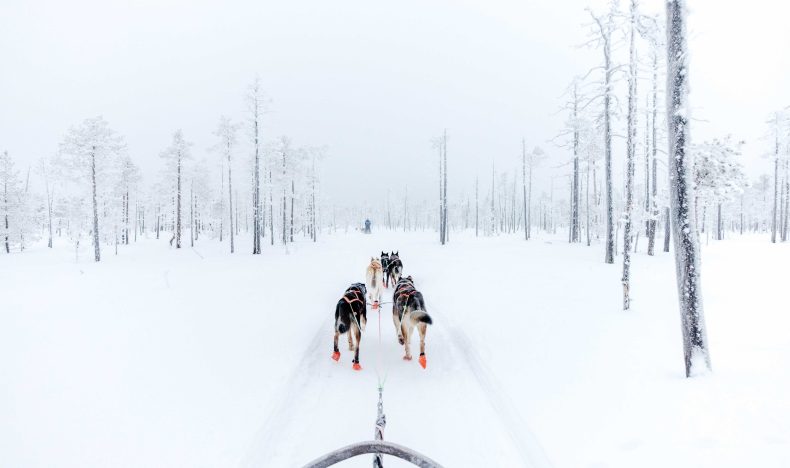
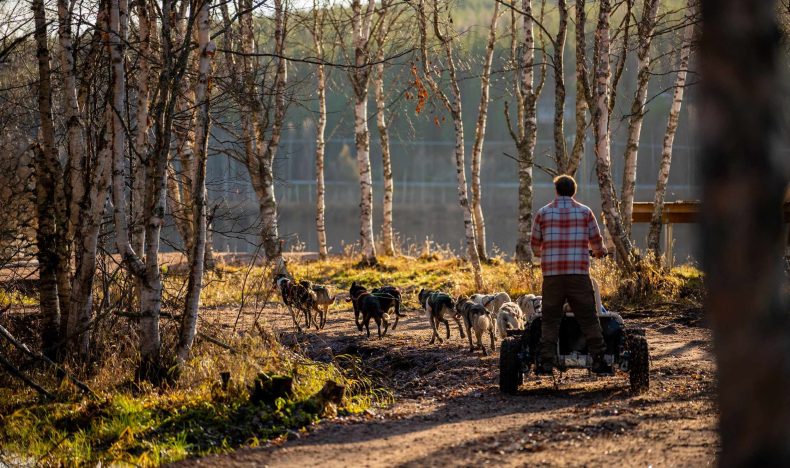
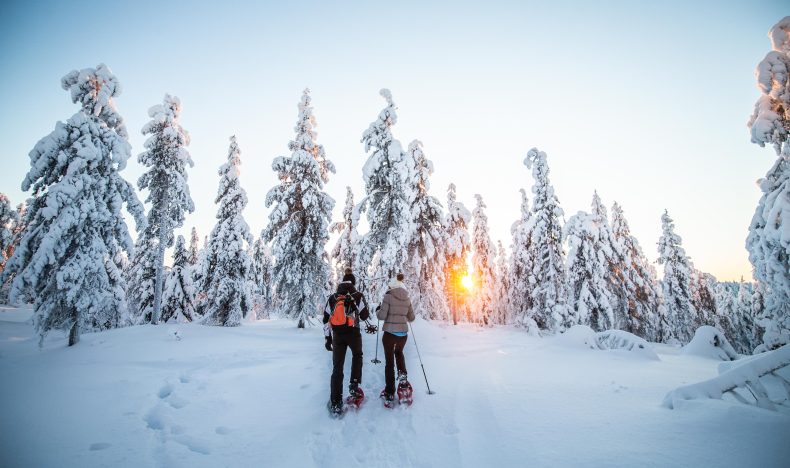
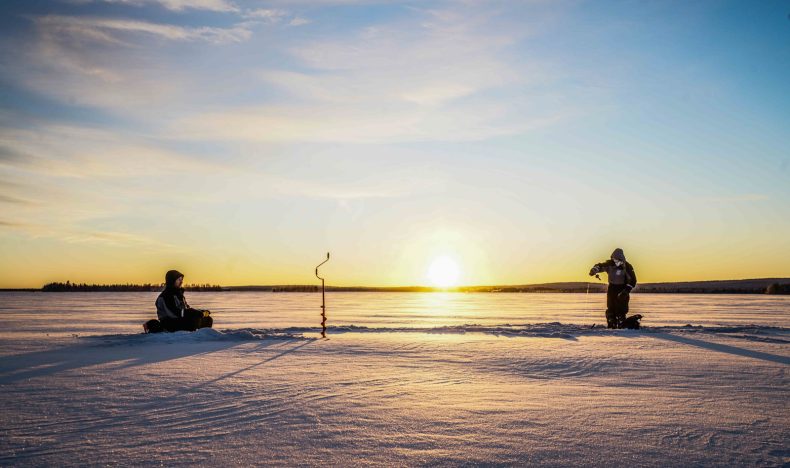
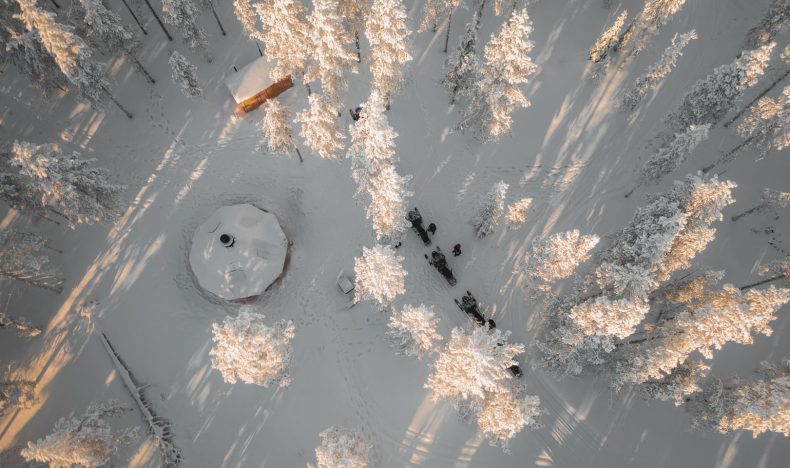
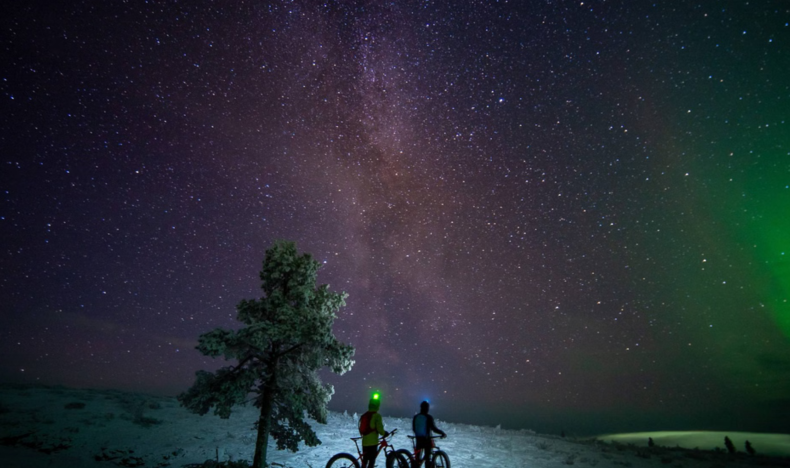
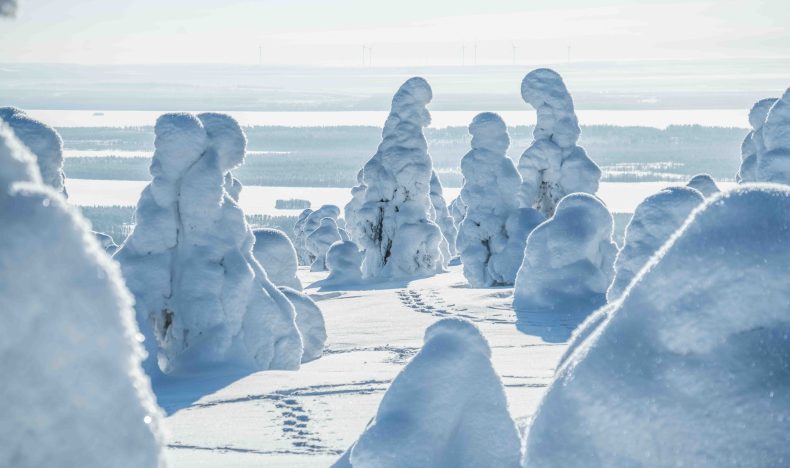
Explore Riisitunturi's snow-covered fells on an 8–9-hour small-group winter expedition with photography stops, a light campfire lunch and a 4–5 km route.
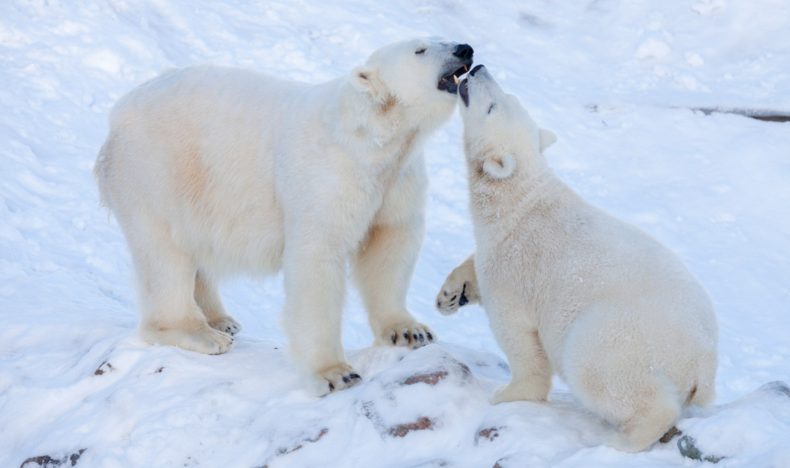
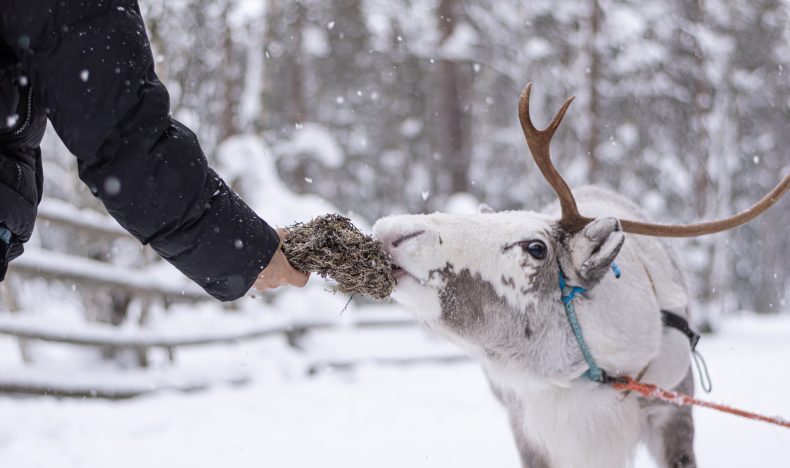
Visit Ranua Wildlife Park, home to more than 50 Arctic animal species, on a 5-hour tour from Rovaniemi with photography guidance and edited tour photos.
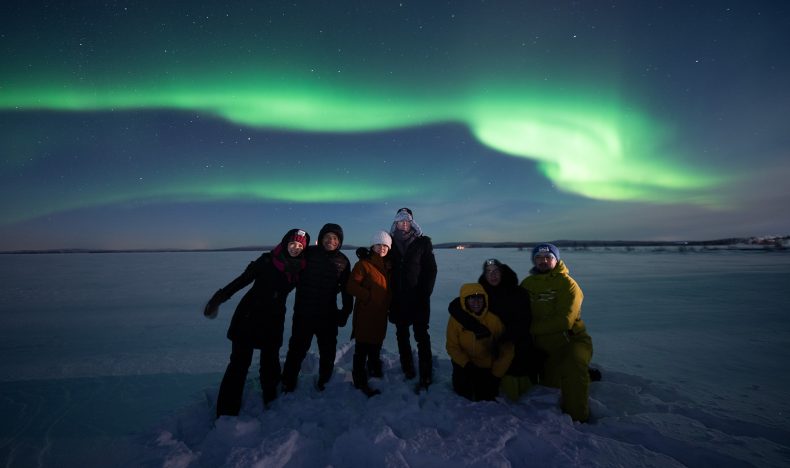
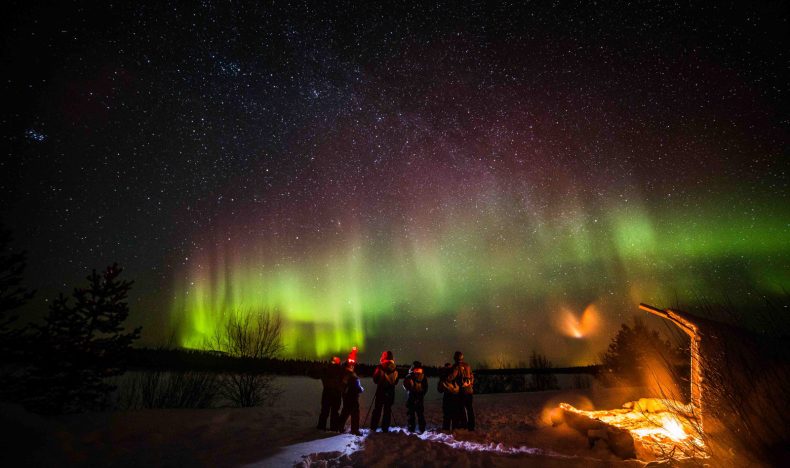
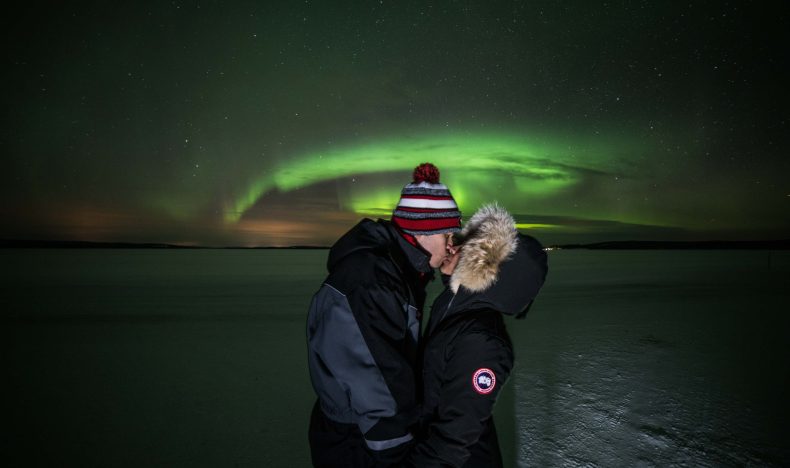
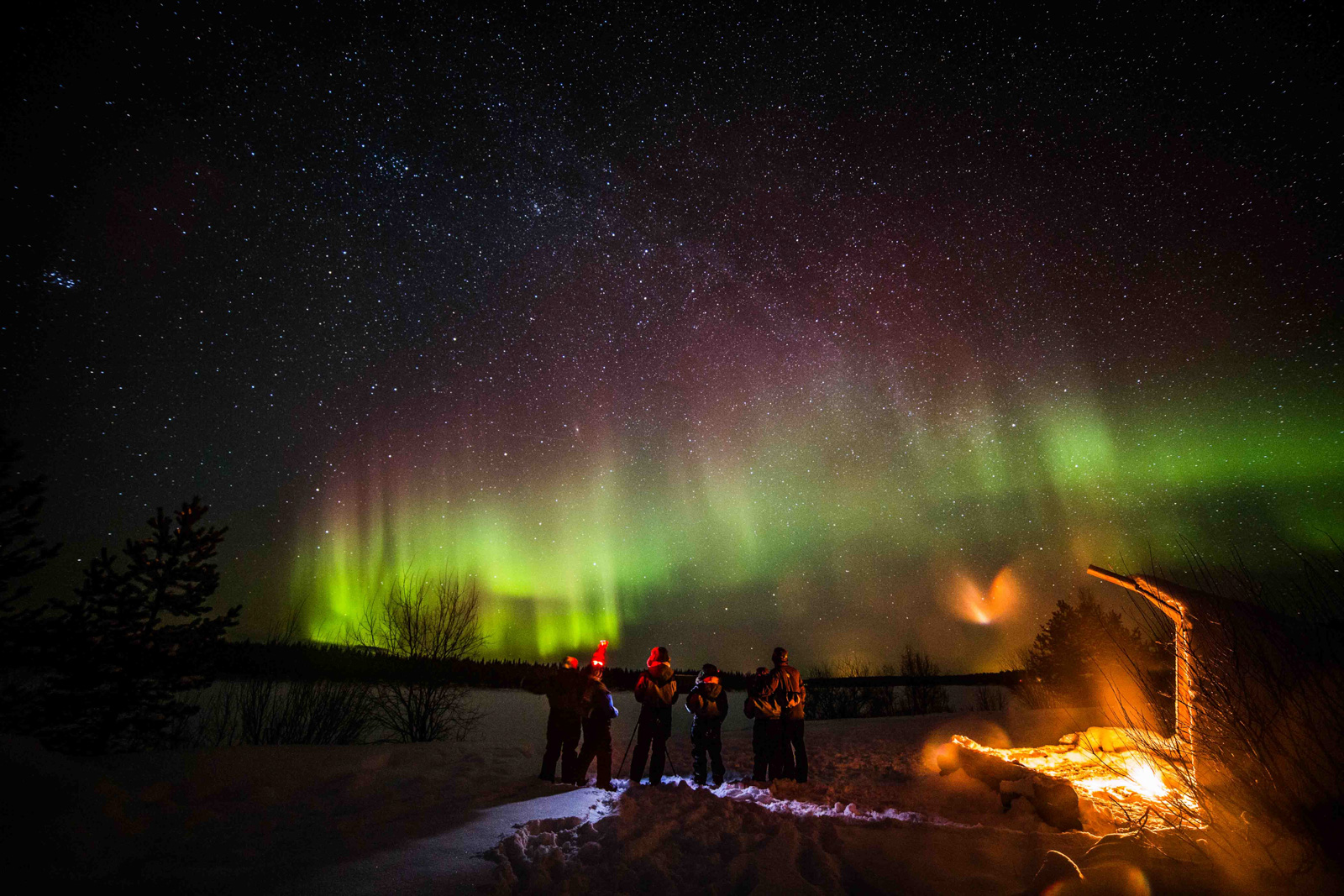
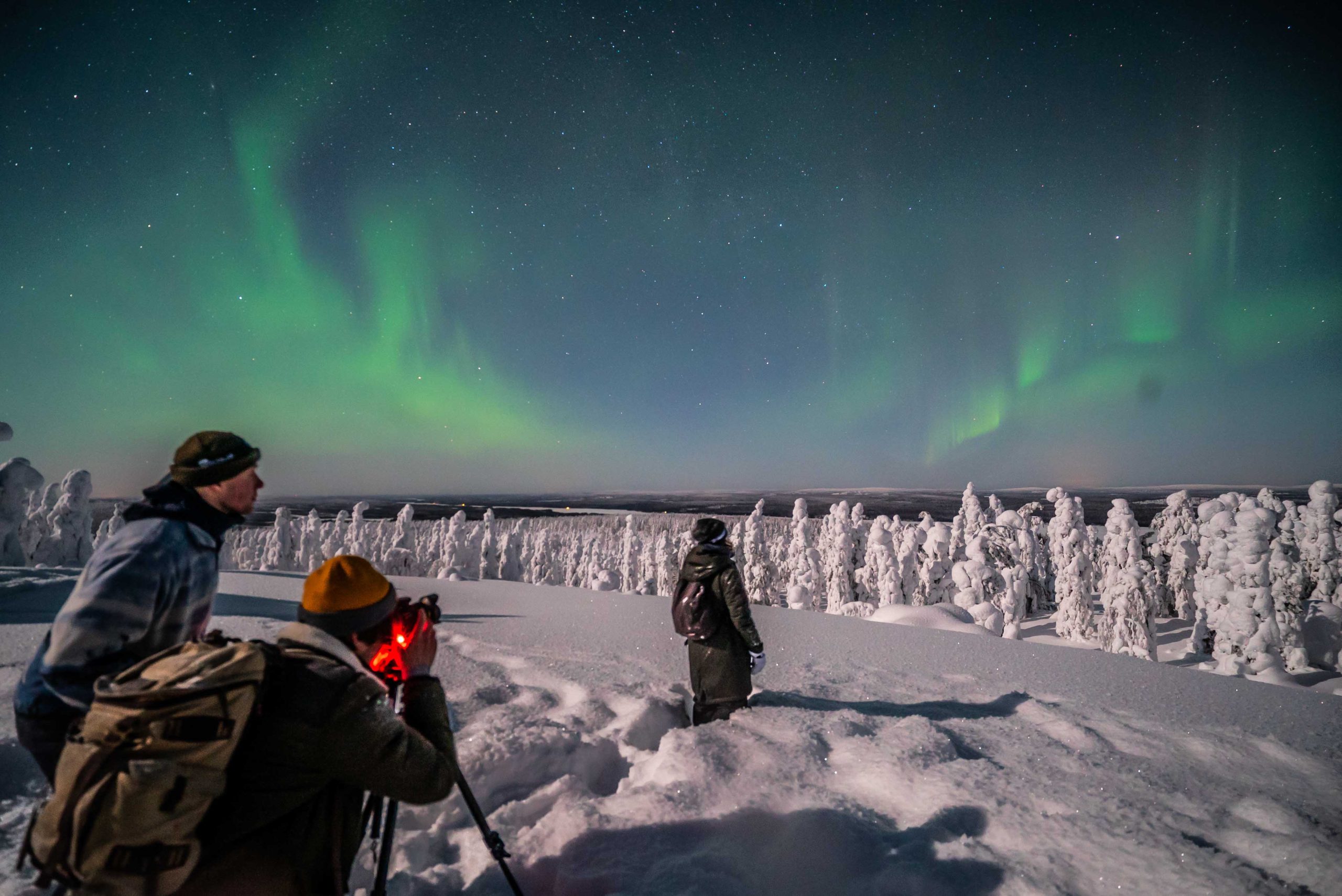
Hunt for the Northern Lights with your own group and a professional photographer, with a private location, flexible timing and professionally edited photos.
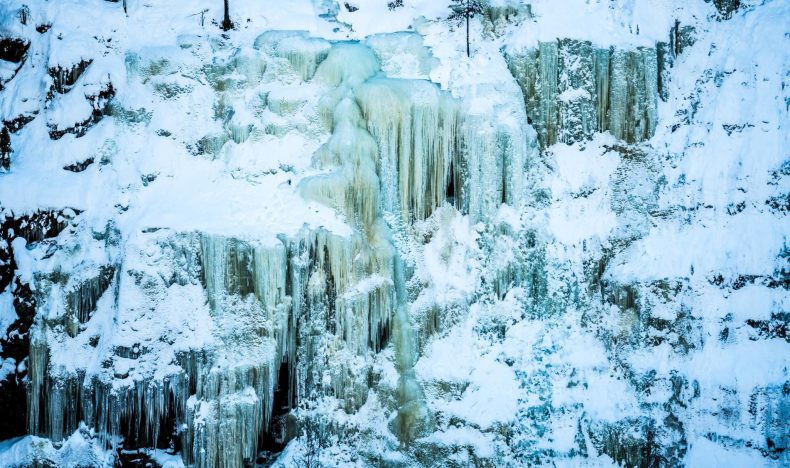
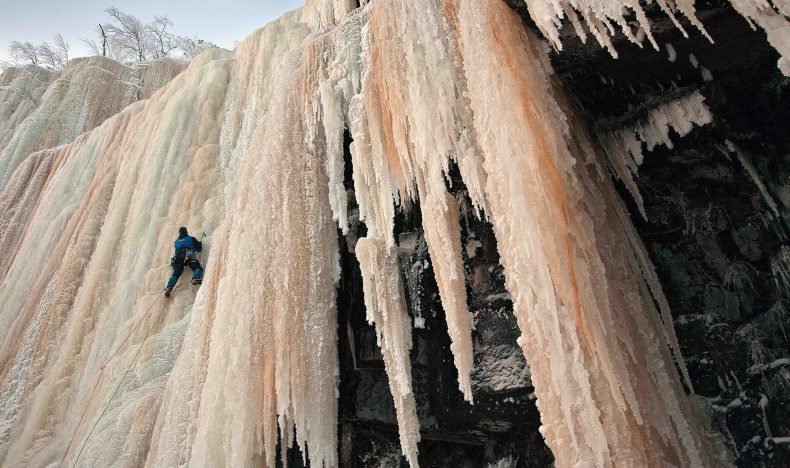
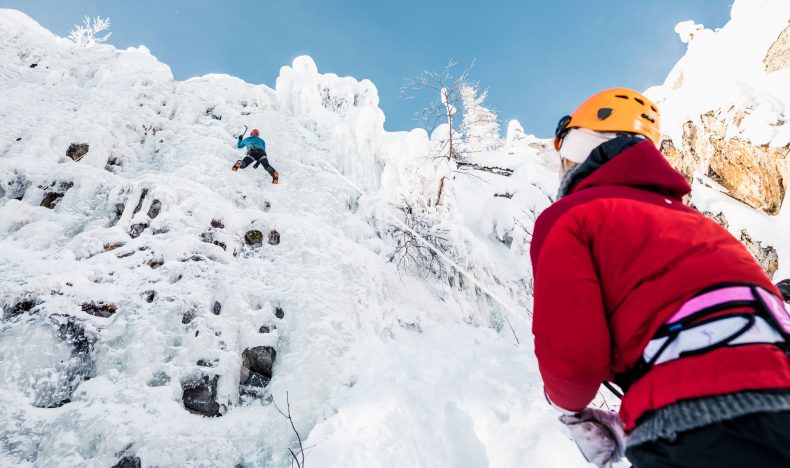
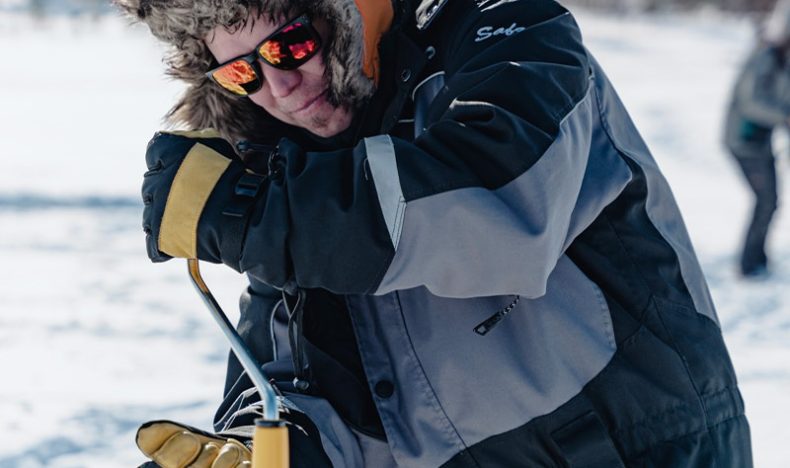
Travel from Rovaniemi to Korouoma Canyon for a full-day ice climbing adventure with a professional instructor, climbing equipment and return transportation included.
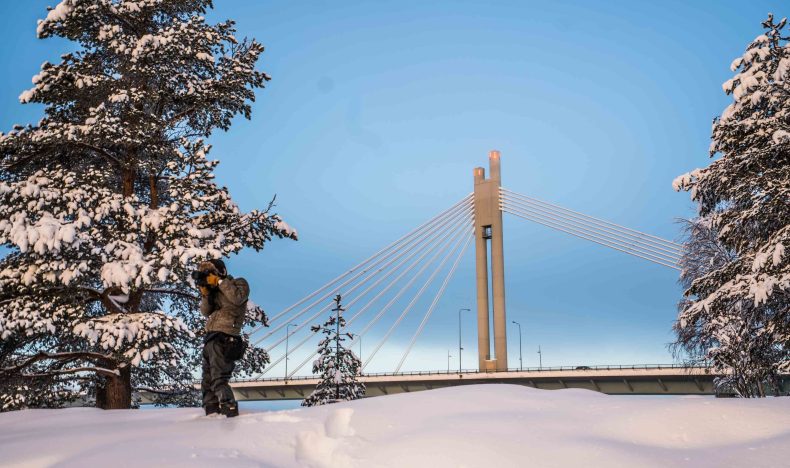
Photograph Rovaniemi's winter cityscape, frozen river and nearby snowy nature on a private 2-hour tour with a professional photographer and edited portraits.
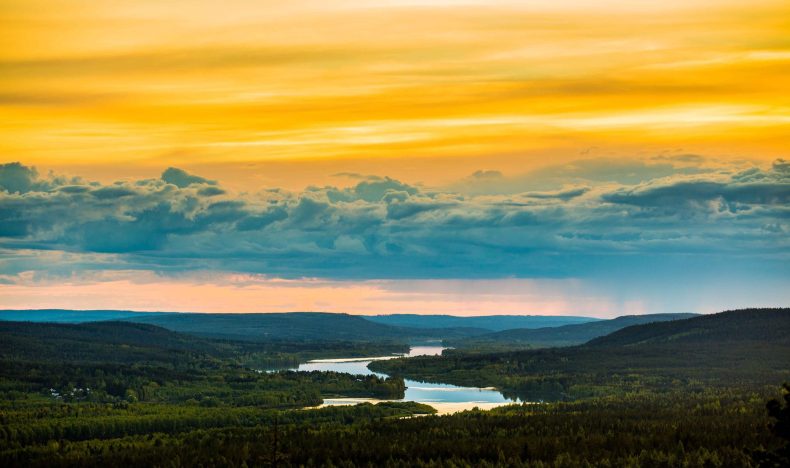
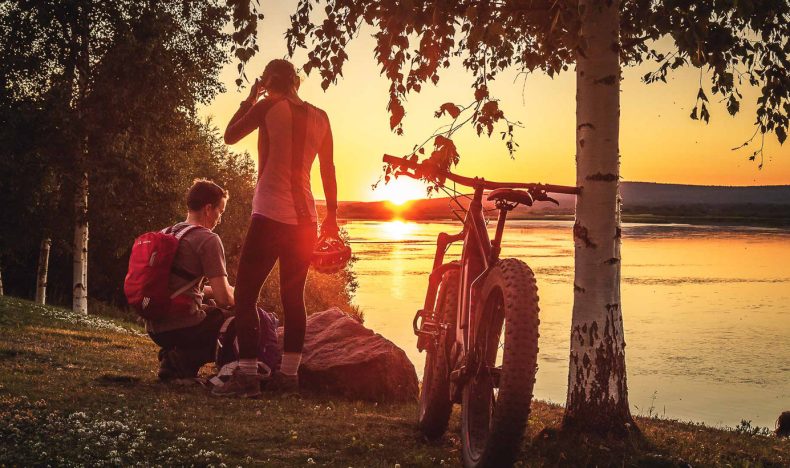
Photograph Rovaniemi's summer night light beside rivers, lakes and forests on a 3–4-hour small-group tour with camera guidance, a campfire stop and edited tour photos.
Photograph Rovaniemi's riverside landmarks, summer light and nearby Lappish nature on a 2-hour tour with professional guidance and edited photos included.
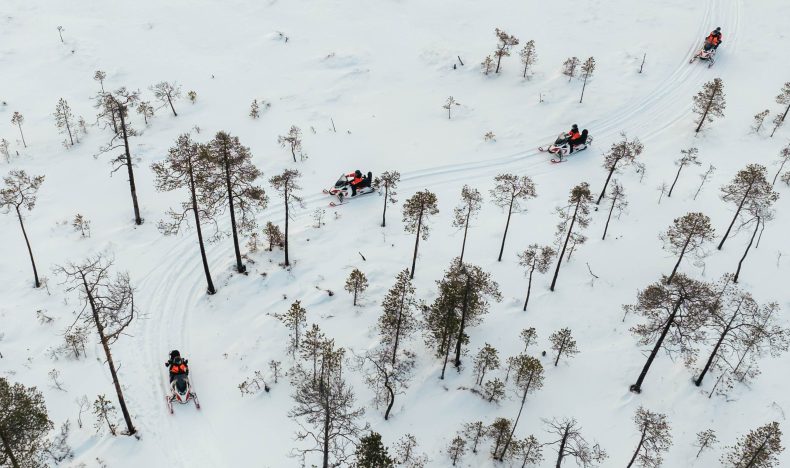
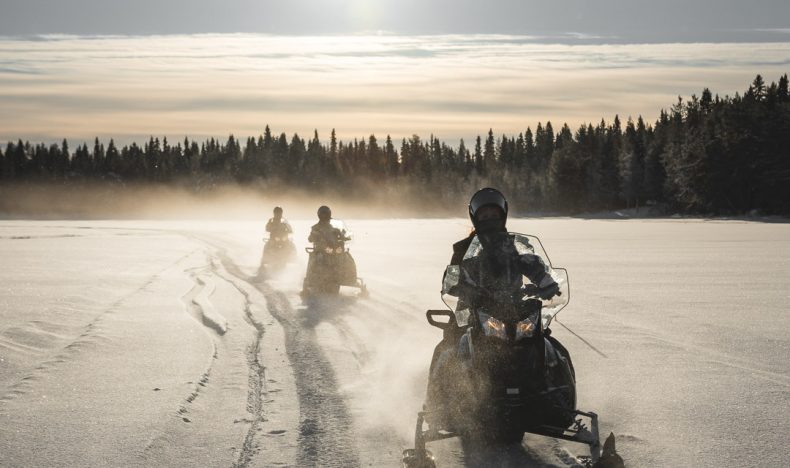
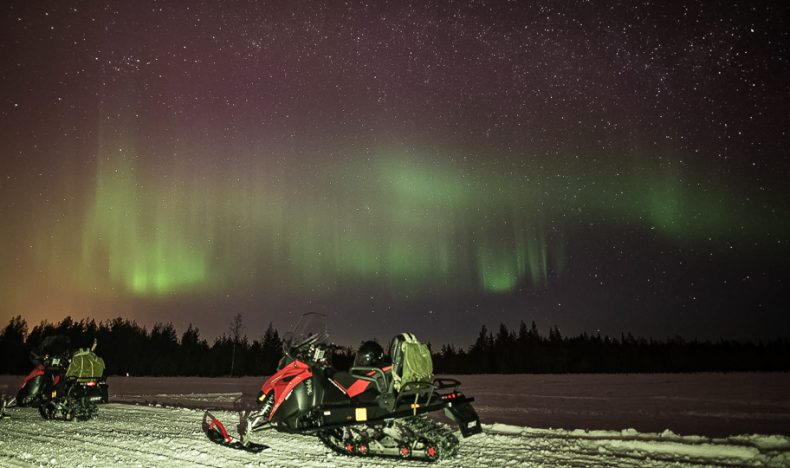
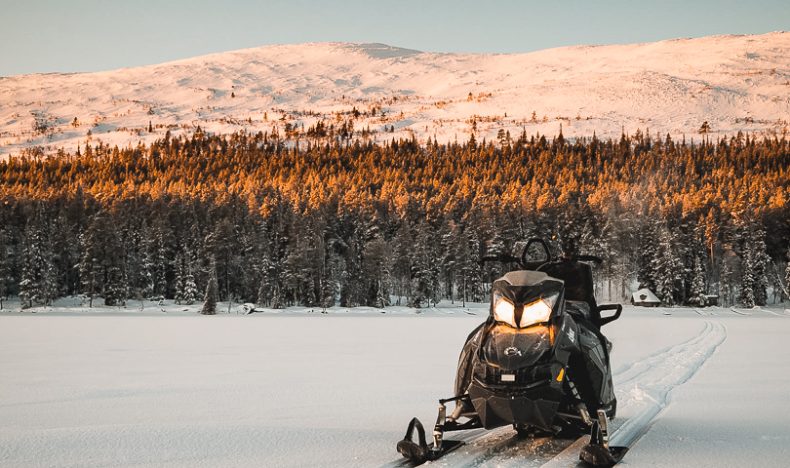
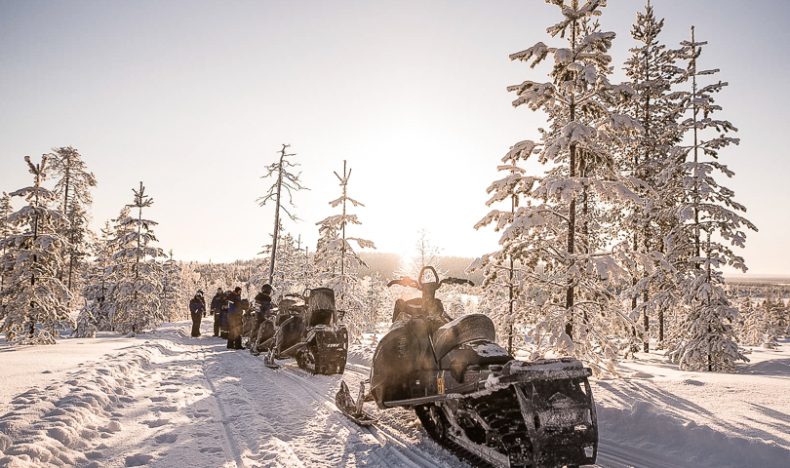
Ride a snowmobile through Levi's forests and frozen landscapes after dark, stopping to watch the sky and enjoy a fireside snack. Northern Lights sightings cannot be guaranteed.
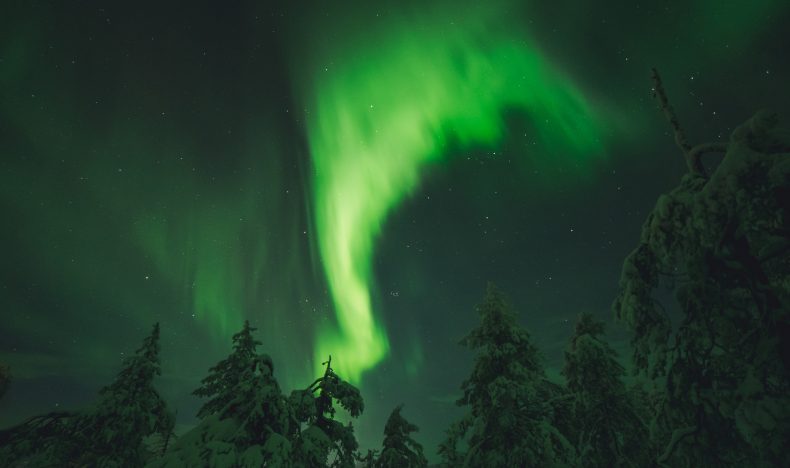
Hunt for the Northern Lights around Levi with a professional photography guide, camera support and edited tour photos. Aurora sightings are unpredictable and cannot be guaranteed.
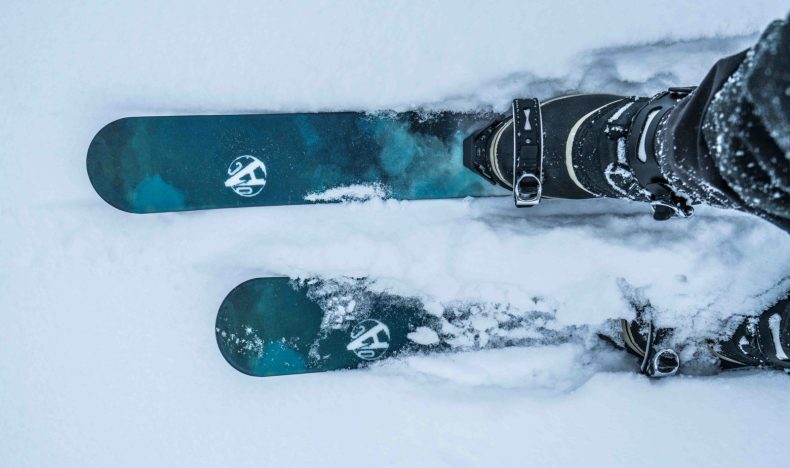
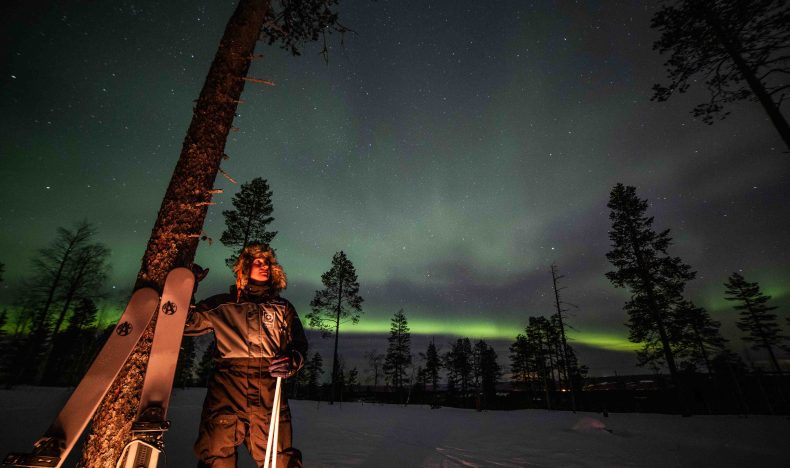
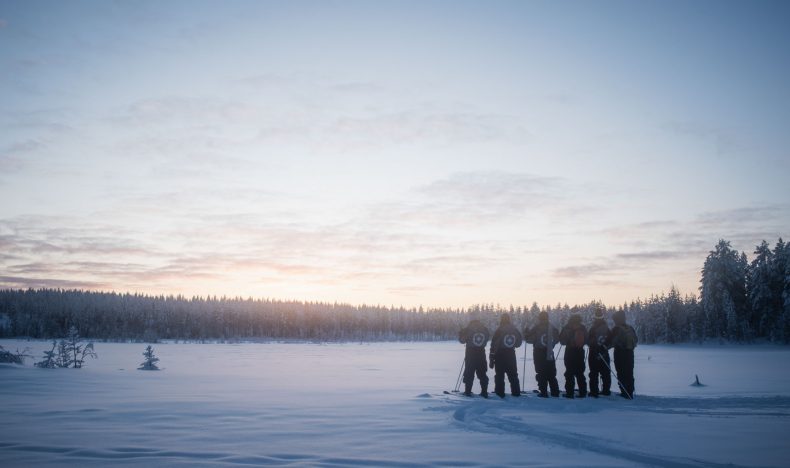
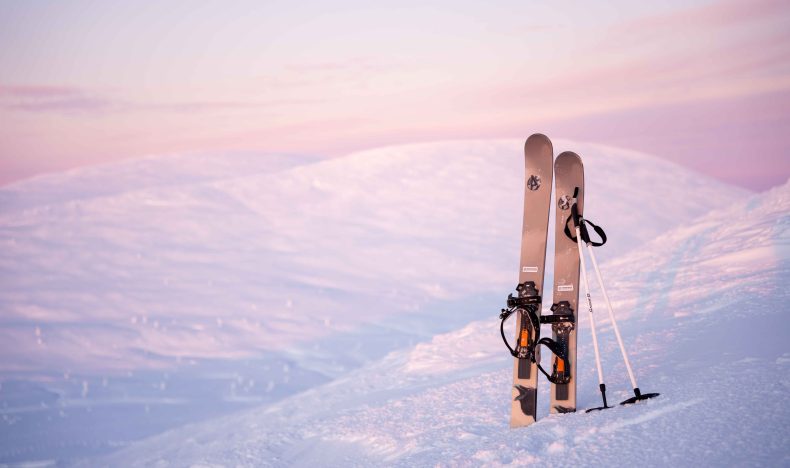
Learn the basics of backcountry skiing on a small-group trip into the snowy wilderness near Levi, with specialist skis, warm clothing and photography guidance included.
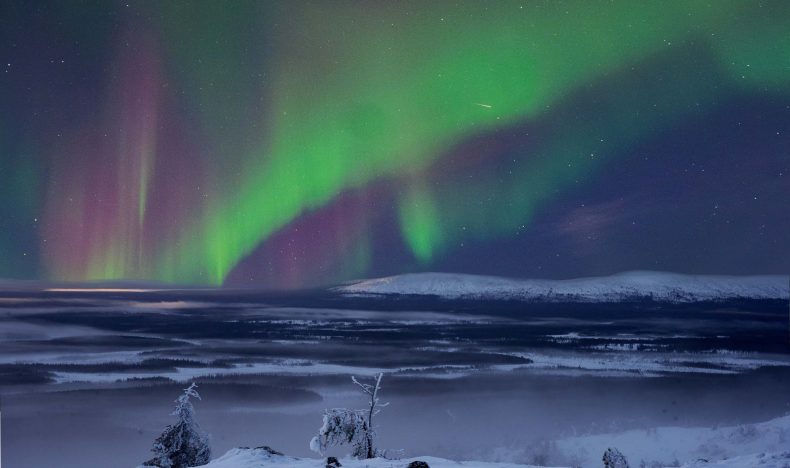
The best time to see the northern lights in Lapland is from late August to early April, on dark, clear nights, with the highest odds around the equinoxes and through the deep-winter months of December to March. There is no single perfect date — the aurora is a natural phenomenon — but get the season, the hours and the sky right, and Finnish Lapland is one of the most reliable places on Earth to watch the lights dance.
We will be honest with you from the first line: nobody can promise you the aurora on a given night. What we can do is tell you exactly when your chances are best, how to read the sky and the space-weather forecast, and how to give yourself the most nights under a dark, clear sky. The tips below come straight from the field — from hundreds of nights spent waiting, watching and photographing the lights above Rovaniemi, Levi and Pyhä-Luosto.
Beyond Arctic is a photography-focused, small-group tour operator founded in Rovaniemi in 2016, with a professional photographer on every aurora tour and a maximum of 8 guests. We are a TripAdvisor Travellers’ Choice 2024 & 2025 operator. For the full picture of where and how to experience the lights, read our complete guide to the northern lights in Lapland. Then let’s talk timing.
When is aurora season in Lapland?
Aurora season in Lapland runs roughly from late August to early April. Outside those months the midnight sun keeps the sky too bright to see the lights, even when the aurora itself is active. Within the season, the aurora can appear on any dark, clear night — and in northern Lapland that is a large share of the nights, weather permitting.
The reason the season has edges is simple: you need darkness. From late May to mid-July, Lapland’s nights never get properly dark — that is the famous midnight sun. The aurora may well be glowing overhead in June, but the sky is too bright for the human eye to see it. As the nights draw in through August, the sky finally darkens enough in the small hours for the first faint displays of the new season.
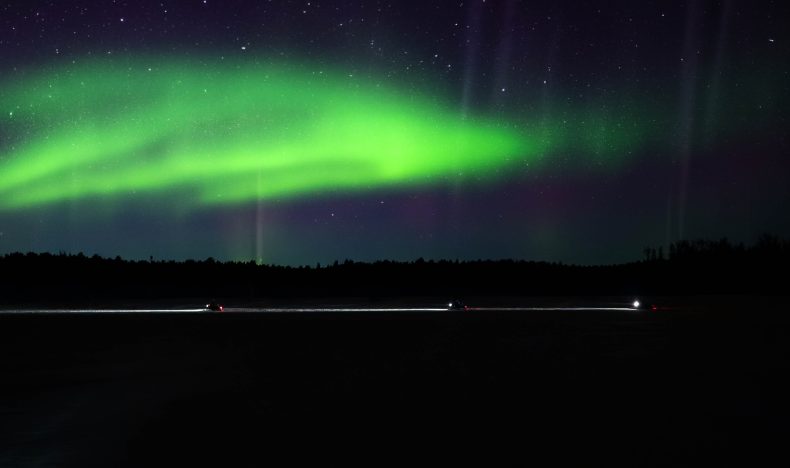
Lapland sits almost directly beneath the auroral oval, the ring of frequent aurora activity around the magnetic pole. That geography is why the lights are visible here so much more often than further south: you don’t need a major geomagnetic storm, just a dark, clear sky and a little patience. The Sodankylä Geophysical Observatory, which has monitored geomagnetic activity in Finnish Lapland since the 1910s, sits right inside this zone — a reminder that this corner of Finland is, scientifically, one of the best aurora-watching locations anywhere.
One honest caveat that shapes everything we do: the aurora is a natural phenomenon, and we never market “guaranteed northern lights.” Some operators do. We don’t, because nature is not a contract partner. Instead, we head out every time there is even a small chance, and we tell you the truth about the weather and the odds before you book and before we drive.
Best months to see the northern lights
Every month of the season has its own character. The aurora itself doesn’t read a calendar — solar activity drives it — but darkness, snow cover and typical weather change month to month, and those decide how good your nights feel on the ground. Here is how the season breaks down in Lapland.
Month
Aurora visibility
Darkness & conditions
What it’s like on the ground
Late August
Possible (shoulder)
Nights just dark enough late
First displays of the season; mild, autumn colours, open water reflections
September
Good
Dark nights return fast; equinox boost
Ruska (autumn colours), unfrozen lakes mirror the light, comfortable temperatures
October
Good
Long dark nights; often clear after frost
Crisp, first snow possible, fewer visitors, excellent reflections
November
Good
Very long nights; first reliable snow
Polar night approaching, snow brightens the landscape
December
Good
Maximum darkness (kaamos / polar night)
Deep winter, snow cover, festive Rovaniemi, very long aurora hours
A field favourite: dark enough, milder, settled conditions, deep snow
Early April
Good (shoulder)
Nights shortening fast
Long evenings, spring snow, mild — the season’s last act
A few patterns are worth pulling out of that table.
The equinoxes (around late September and late March) tend to be especially active. Geomagnetic activity statistically peaks near the spring and autumn equinoxes — an effect linked to how Earth’s magnetic field lines up with the solar wind around those dates (space scientists call it the Russell–McPherron effect). You can’t bank on it for a single night, but across a multi-night trip, late September and March are excellent windows.
December to March gives you the most darkness and the most reliable snow. These are the classic deep-winter aurora months: the polar night around the December solstice means the sky is dark for the longest stretch of the year, snow cover reflects the light beautifully, and cold, high-pressure nights are often the clearest.
March is our quiet favourite. You get long dark nights and aurora-friendly statistics, but milder, more settled weather than midwinter and deep, photogenic snow. As the brand’s own field motto puts it: “Winter is not over — why you should travel to Lapland in March.” Standing still for hours is far more pleasant at −8 °C than at −25 °C.
Want a deeper monthly breakdown plus where to stand once you’re out there? Our guide to the best places to see the northern lights pairs the when with the where.
Best hours of the night for the aurora
Picking the right month gets you into the season; picking the right hours gets you under the lights. The best time of night to see the northern lights is roughly between 21:00 and 02:00 local time, with activity often peaking near solar midnight (around 22:00–01:00). That said, a strong display can begin in the late-evening twilight or surprise you well after midnight, so flexibility matters more than a fixed schedule.
Here is why those hours work. The aurora is brightest and most overhead when your location rotates closest to the centre of the auroral oval — which happens around magnetic midnight, usually a little before or after local midnight. In practice that gives you a window of a few hours on either side of midnight where displays are most likely to be strong and high in the sky rather than a faint glow on the horizon.
This is exactly where Beyond Arctic’s no tight schedules approach pays off. Most bus tours run to a timetable: out at 20:00, back by 22:30, because the next group is waiting. We don’t. Our only timetable is darkness, weather and aurora activity. If the lights are still dancing after the “contract time,” we stay. If the best hour is clearly yet to come, we wait. Small groups of eight, our own private locations, and time on our side — that is how you actually catch the peak instead of packing up just before it.
A practical rhythm for any aurora night, whether you’re with us or out on your own:
Be in position before the window opens. Get away from town and let your eyes adjust to the dark well before 21:00.
Watch the north, but check the whole sky. Faint aurora usually appears low in the north; a strong substorm can fill the sky overhead.
Don’t give up at midnight. The best substorm of the night often arrives between 22:00 and 01:00 — or later. Patience is rewarded.
Three things have to line up for you to see the northern lights: darkness, a clear sky, and enough geomagnetic activity. Get all three and the lights are likely; miss any one and you’ll be waiting. Let’s take them in order, because the order matters.
Darkness is the foundation — and the reason for the whole season window above. No darkness, no visible aurora, full stop. That’s why a brilliant aurora in June goes unseen, and why we measure the season in months of dark nights.
A clear sky is the factor most travellers underestimate. Clouds sit far below the aurora (which forms 80–500 km up), so even a perfect geomagnetic forecast is useless if the sky is overcast. This is why we never rely on the aurora forecast alone — we read the cloud forecast just as carefully, and if our spot clouds over, we drive to find a gap in the clouds, sometimes dozens of kilometres away. It’s the single most important reason “go the extra mile” exists.
Geomagnetic activity is the third piece, and it’s measured by the Kp index — a simple 0-to-9 scale of how disturbed Earth’s magnetic field is. The higher the number, the stronger the aurora and the further south it reaches. Here is the part that makes Lapland special:
Kp 0–1: very quiet. Faint aurora may still appear low on the northern horizon in Lapland.
Kp 2–3: often enough for clear, visible green aurora overhead in Lapland — because we sit right under the auroral oval. (Southern Finland would see little or nothing at these levels.)
Kp 4–5: strong, dynamic displays likely; aurora visible further south too.
Kp 6–9: major storm. Spectacular, sky-filling displays; aurora can be seen far into central Europe.
The headline for visitors: you do not need a big storm to see the aurora in Lapland. A modest Kp 2–3, a dark night and a clear sky are often all it takes. Further south you’d need Kp 5+ for the same view. That geographic luck is the whole reason aurora tourism is built around Lapland.
For forecasts, we trust the science. The NOAA Space Weather Prediction Center issues the global Kp forecast and storm alerts; the Finnish Meteorological Institute gives Finland-specific aurora and space-weather information; and apps push Kp alerts straight to your phone. But always pair the Kp forecast with the local cloud forecast — and remember that a high Kp on a cloudy night still shows you nothing.
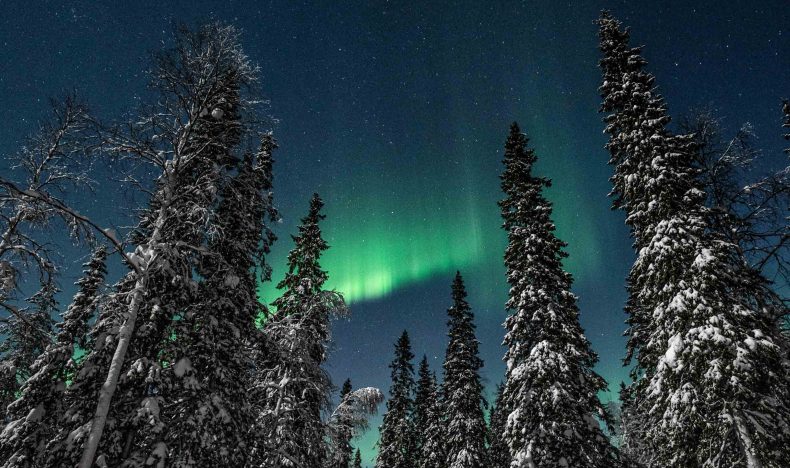
From the field: One March night near Rovaniemi, the forecast was modest — Kp 3, nothing dramatic. But the cloud map showed a clear window opening after 22:00. We took a small group out to one of our private lakeside spots, lit a fire, and let our eyes settle into the dark. Just before 23:00 a quiet green arc on the northern horizon brightened, then broke into curtains overhead for nearly forty minutes. Modest numbers, perfect sky, the right hour — that’s the recipe. Contrast that with a cloudy night the same week when the Kp briefly hit 5: the storm was bigger, but a blanket of cloud meant we saw nothing from our first spot, so we drove 30 km to a gap and caught the tail of it. The lesson we tell every guest: clear sky beats big numbers, and the right hour beats luck.
Realistic expectations: why we don’t guarantee the aurora
This is the most important section of this guide, and the one most “best time” articles skip. So let’s be direct: the northern lights can never be guaranteed. Any tour that promises “guaranteed aurora” is either redefining the word or relying on a refund policy — not on the sky. The aurora depends on solar activity you can’t schedule and clear skies you can’t order. That is simply the truth, and at Beyond Arctic, honesty is the cornerstone we build everything on.
So what can you reasonably expect? Quite a lot, if you plan well:
Stack the odds with multiple nights. A single night is a roll of the dice — weather alone can spoil it. Stay three or more nights in aurora season and your chances of at least one good display rise dramatically. This is the single best thing you can do.
Travel in the season, on dark nights. Late August to early April, and ideally away from the brightest part of a full moon if you want faint displays to stand out.
Get away from light pollution and toward a clear sky. Darkness and clear skies are within your control in a way the Kp index is not.
Go with people who chase the gaps. We don’t cancel on a cloudy forecast — we read the cloud maps hour by hour and drive to where the sky is open. In October 2025, when several “guaranteed” operators cancelled on cloudy nights, we went out three nights in a row and photographed dramatic aurora through gaps in the cloud.
What we promise instead of a guarantee is this: we head out whenever there is a chance, we take you to dark private locations away from the crowds, our guide is a professional photographer who will help you see and capture the lights, and we tell you the honest truth about conditions every step of the way. If the aurora doesn’t show, you’ll still have spent a quiet night under a Lapland sky, around a fire, in a group of no more than eight — and you’ll have honest people doing everything possible to find the lights for you.
After every tour you receive 5–15 professionally edited photos, free of charge and without watermarks, within 2–7 days at gallery.beyondarctic.com. Memory shots under the aurora when it appears; a real Arctic night either way.
When is the best time to see the northern lights in Lapland?
The best time is during aurora season, from late August to early April, on dark and clear nights. The strongest odds fall around the equinoxes (late September and March) and through the deep-winter months of December to March. The best hours are typically 21:00–02:00, peaking near midnight.
What are the best months to see the northern lights?
December to March offer the most darkness and the most reliable snow, making them the classic aurora months. The equinox windows around late September and March are also excellent. Many photographers favour March for its long dark nights combined with milder, more settled weather.
Can you see the northern lights in summer in Lapland?
No. From late May to mid-July, Lapland’s midnight sun keeps the sky too bright to see the aurora, even when it is active overhead. The lights need a dark sky, so summer is effectively “blind” for aurora viewing — though the midnight sun is its own remarkable experience.
What is the best time of night to see the aurora?
Aim for roughly 21:00 to 02:00 local time, with activity often peaking near magnetic midnight (around 22:00–01:00). A strong display can start in late-evening twilight or arrive well after midnight, so it pays to be patient and flexible rather than tied to a fixed schedule.
How many nights should I stay to see the northern lights?
Plan at least three nights in aurora season. A single night is a gamble, mainly because of cloud cover, but each additional clear, dark night sharply increases your chance of at least one good display. More nights is the single most effective way to improve your odds.
Do I need a strong solar storm (high Kp) to see the aurora in Lapland?
No. Because Lapland sits beneath the auroral oval, a modest Kp 2–3 with a dark, clear sky is often enough for clear green aurora. Further south you would need a much stronger storm (Kp 5 or higher). In Lapland, clear skies usually matter more than a high Kp number.
Does the weather affect the best time to see the northern lights?
Hugely. Clouds form far below the aurora, so an overcast sky hides even a strong display. We always check the cloud forecast alongside the Kp forecast, and drive to find a gap in the clouds when needed. Clear skies are essential — a high Kp on a cloudy night shows you nothing.
Does Beyond Arctic guarantee the northern lights?
No, and we never will. The aurora is a natural phenomenon that nobody can guarantee. Instead we head out whenever there is a chance, take you to dark private locations away from the crowds, share honest conditions, and send you professionally edited photos afterwards. We chase the cloud gaps so you don’t have to.
Juho is a true explorer who is always seeking for the next adventure. With more than a decade of experience in demanding hikes, mountain climbs and remote destinations around the world, Juho wanted to combine the explorer's spirit with his passion for photography. Beyond Arctic was born.
In Rovaniemi, you can join the original Beyond Arctic Aurora Hunters for an evening that combines expert guiding, comfort, and something extra that makes the experience especially rewarding: the night-time adventure is led by a professional photographer.
So, you have decided to travel to Rovaniemi? You are probably busy making plans to make sure you don’t miss any of the must-have experiences in the capital of Finnish Lapland. Make sure to include a visit to Santa Claus Village to your Rovaniemi bucket list!
Rovaniemi is more connected with the rest of the world than ever before, with many airports and airlines offering direct flights all through the winter. Here’s how you can come visit us in Lapland!

 Top Seller
 Beyond Originals
  Rovaniemi 175 € / person