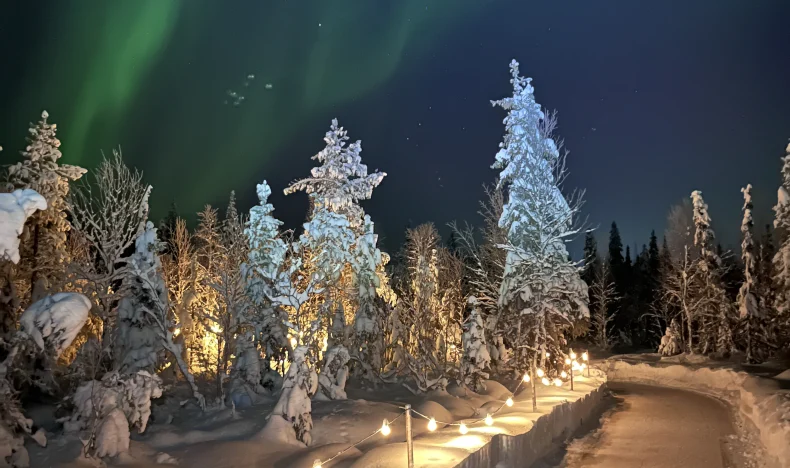
Hunt for the Northern Lights with your own group and a professional photographer, with a private location, flexible timing and professionally edited photos.
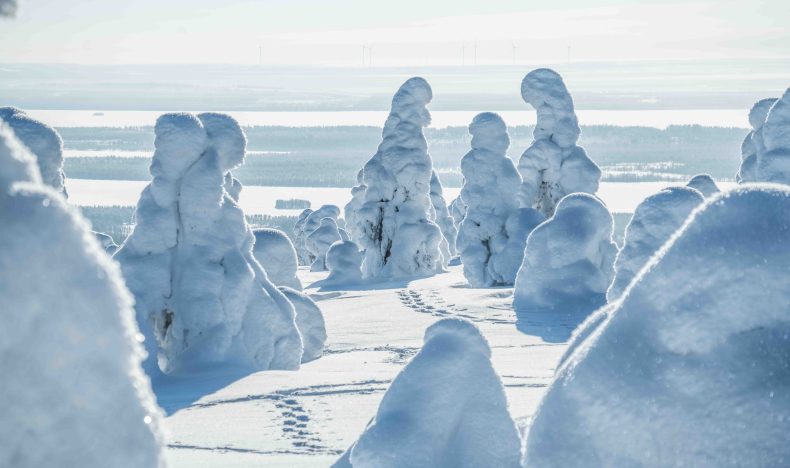
Explore Riisitunturi's snow-covered fells on an 8–9-hour small-group winter expedition with photography stops, a light campfire lunch and a 4–5 km route.
Visit Ranua Wildlife Park, home to more than 50 Arctic animal species, on a 5-hour tour from Rovaniemi with photography guidance and edited tour photos.
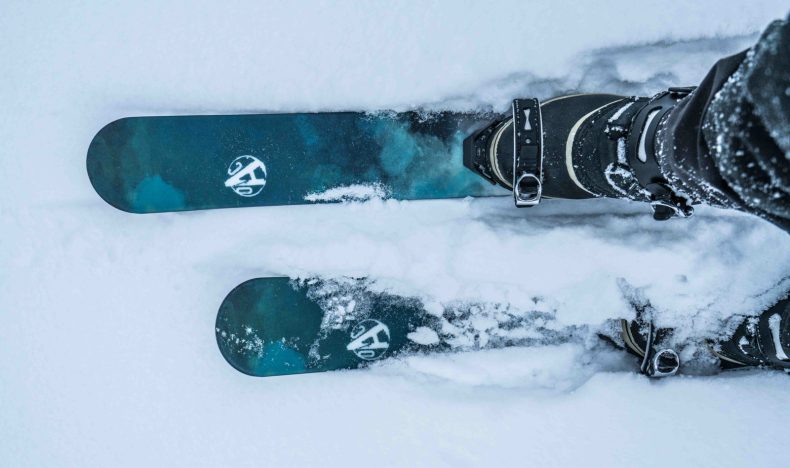
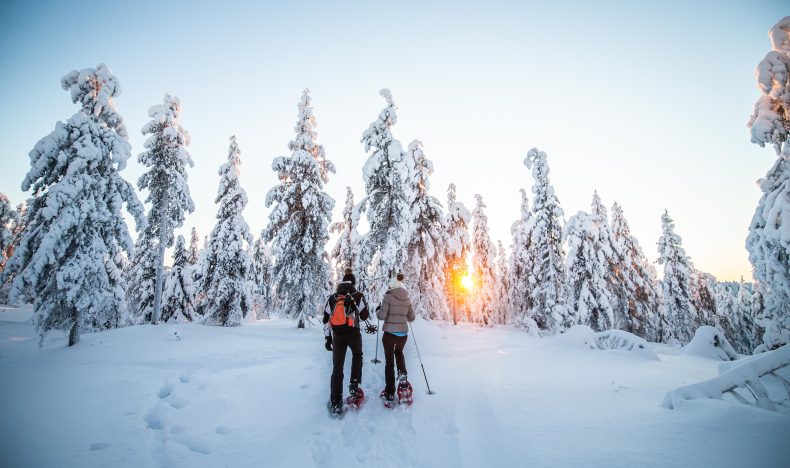
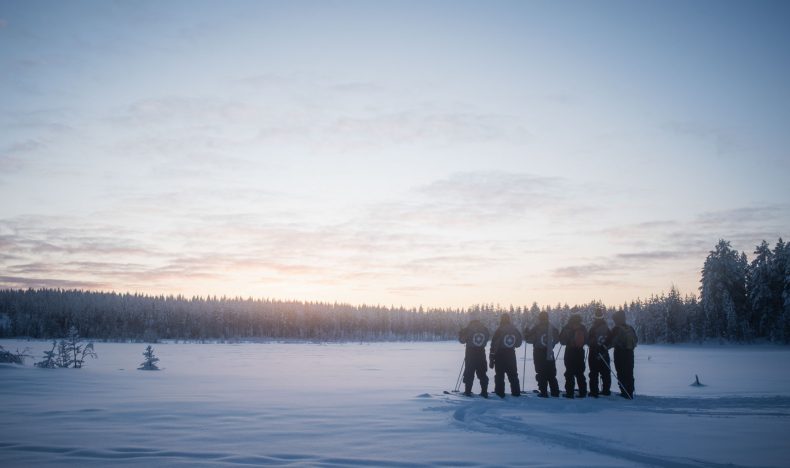
Learn the basics of backcountry skiing on a guided 3–4 km journey through peaceful forests near Rovaniemi, with photography and a relaxing campfire break along the way.
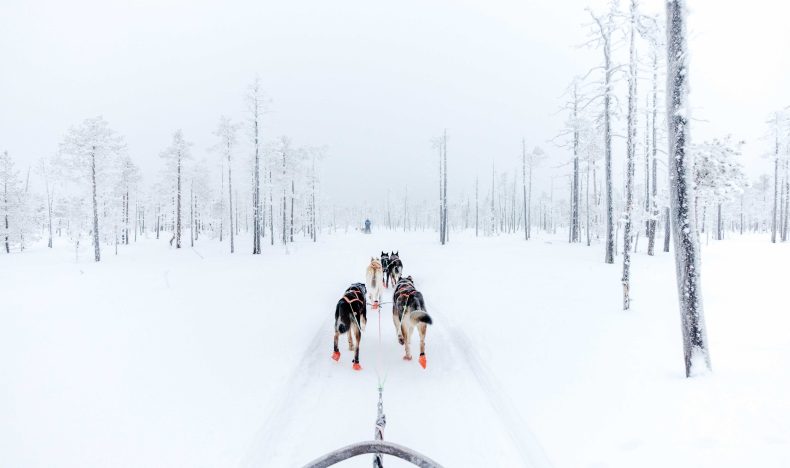
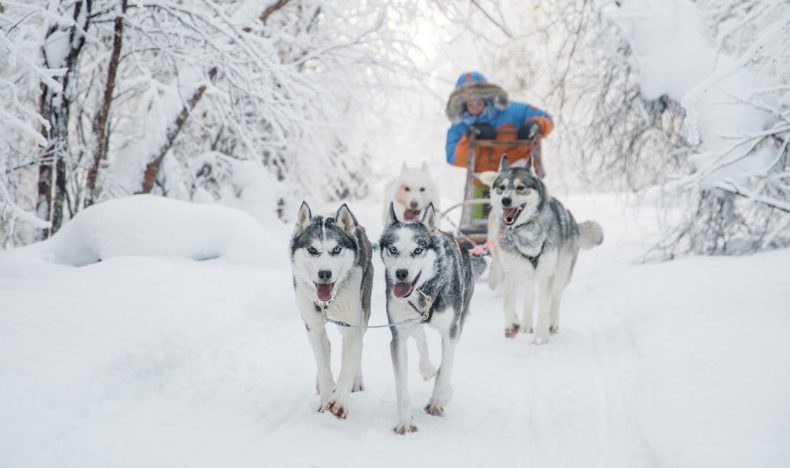
Mush your own husky team on a 12–18 km adventure through the wilderness outside Rovaniemi, then meet the dogs and enjoy stories and hot berry juice with cookies.
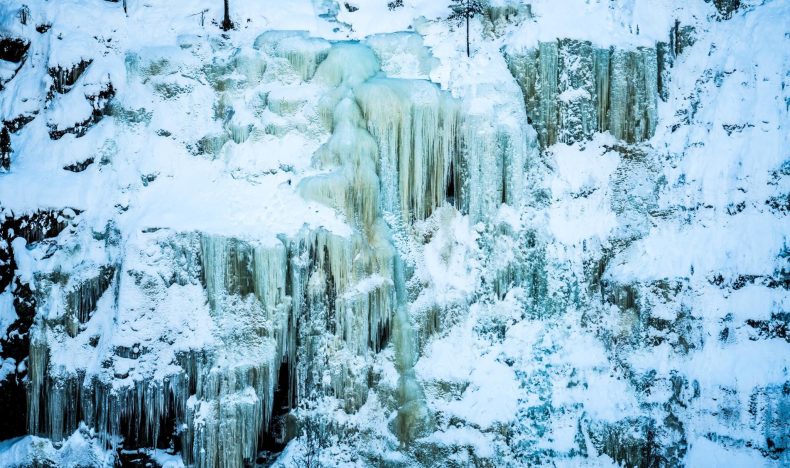
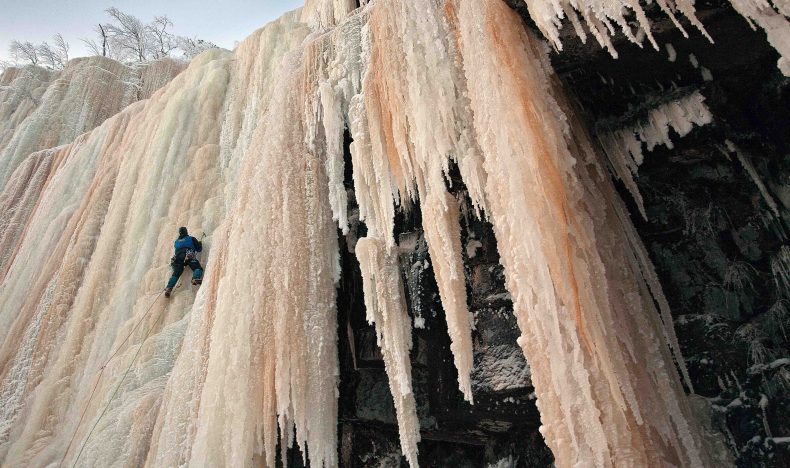
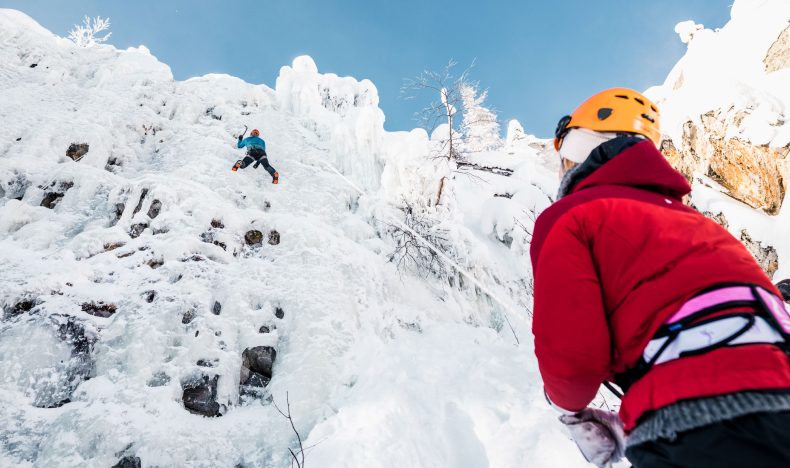
Travel from Rovaniemi to Korouoma Canyon for a full-day ice climbing adventure with a professional instructor, climbing equipment and return transportation included.
Photograph Rovaniemi's summer night light beside rivers, lakes and forests on a 3–4-hour small-group tour with camera guidance, a campfire stop and edited tour photos.
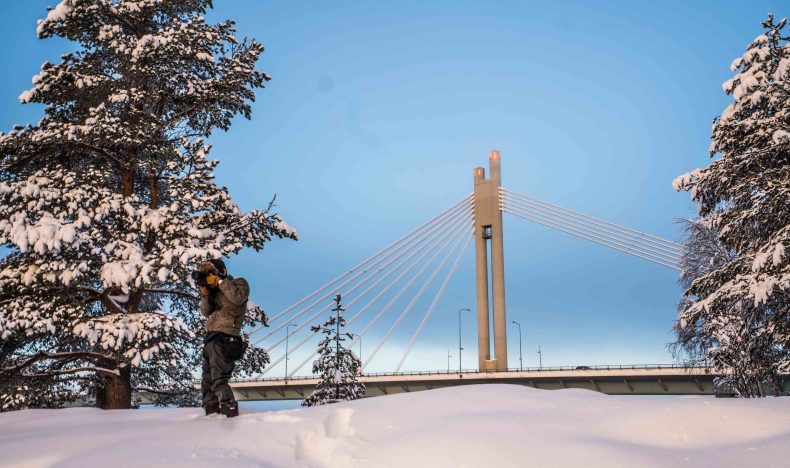
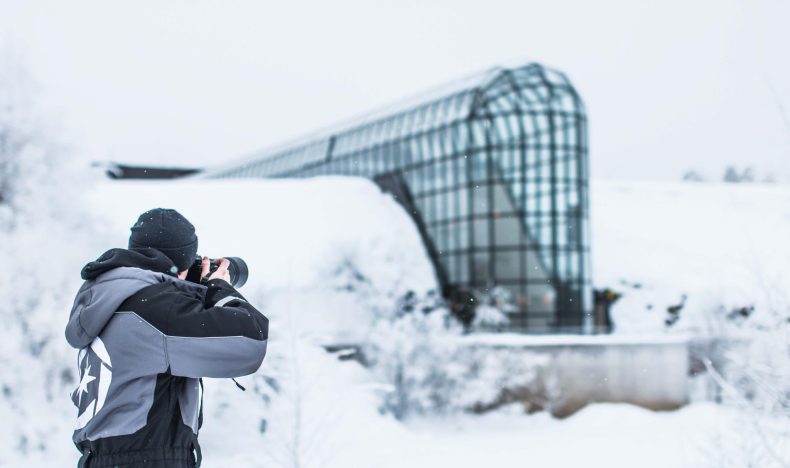
Photograph Rovaniemi's winter cityscape, frozen river and nearby snowy nature on a private 2-hour tour with a professional photographer and edited portraits.
Photograph Rovaniemi's riverside landmarks, summer light and nearby Lappish nature on a 2-hour tour with professional guidance and edited photos included.
Hunt for the Northern Lights around Levi with a professional photography guide, camera support and edited tour photos. Aurora sightings are unpredictable and cannot be guaranteed.
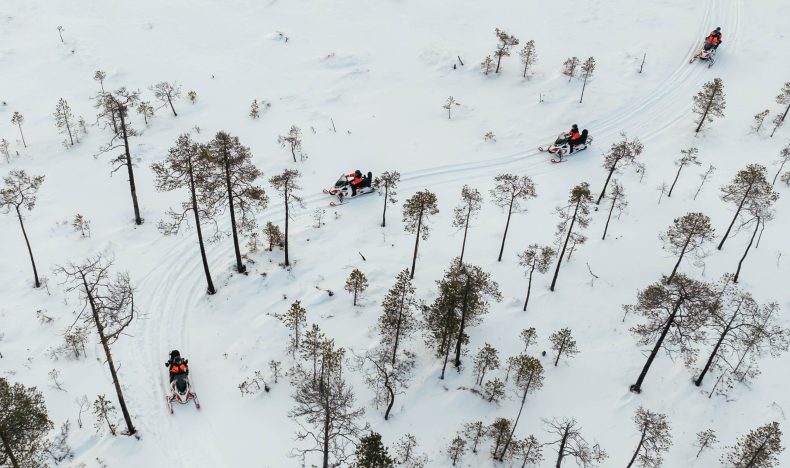
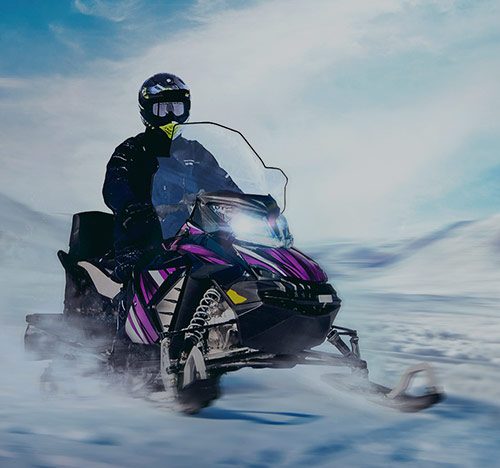
Ride a snowmobile through Levi's forests and frozen landscapes after dark, stopping to watch the sky and enjoy a fireside snack. Northern Lights sightings cannot be guaranteed.
Learn the basics of backcountry skiing on a small-group trip into the snowy wilderness near Levi, with specialist skis, warm clothing and photography guidance included.
The Arctic animals in Lapland that most visitors meet are reindeer and huskies. Reindeer graze all over Lapland, along forest edges and roadsides, and in a Rovaniemi summer they sometimes wander down to the river beach among the sunbathers. Sled dogs live at family kennels outside the towns. Bears, wolves, lynx and wolverines generally avoid people, and the Arctic fox is so rare in Finland that most travellers meet these animals at Ranua Wildlife Park, about an hour’s drive south of Rovaniemi.
Our team works out of Rovaniemi and Levi, while in Pyhä-Luosto local partners run the tours. On the animal tours we run ourselves, a photography guide comes along, so you can keep your hands free for feeding a reindeer or holding on in the sled.
Reindeer
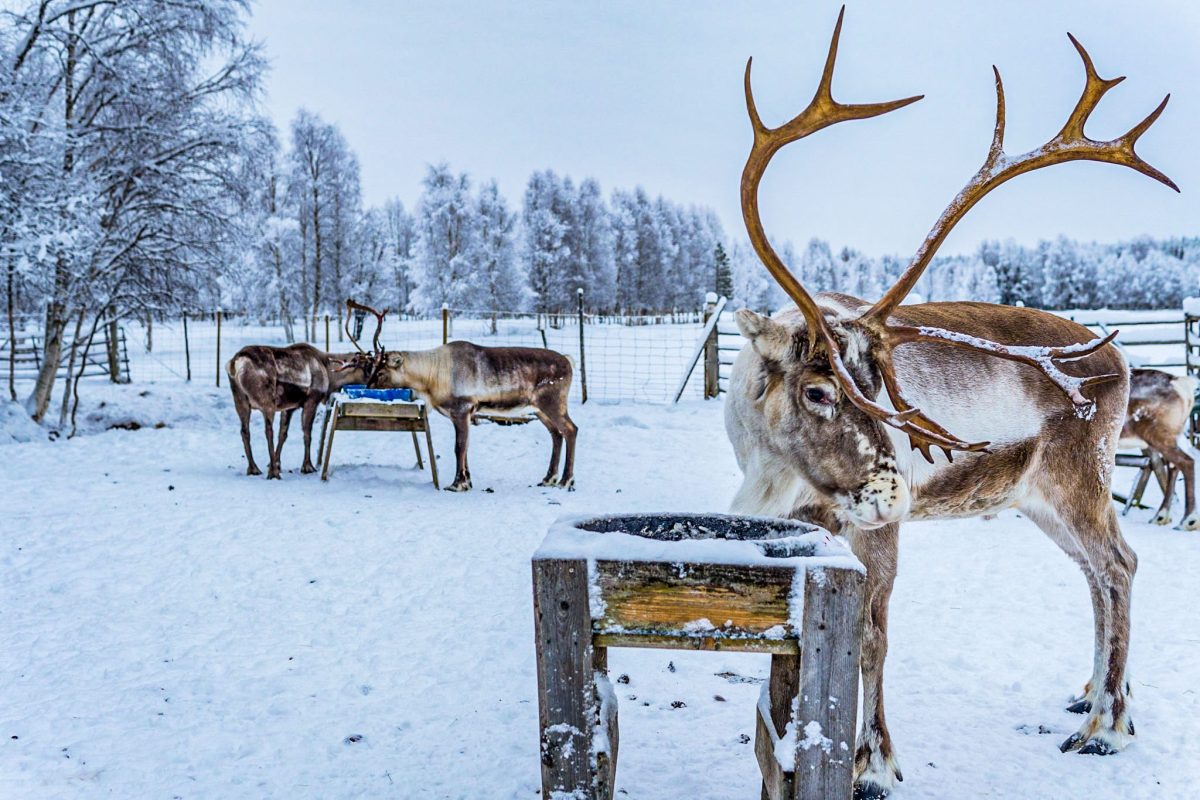
Reindeer herding is still a working livelihood in Lapland. Families work together in herding cooperatives and look after large shared herds, and some animals roam freely all year while others spend the winter in enclosures. Farm visits have become part of that economy, giving herders extra income alongside meat and handicrafts.
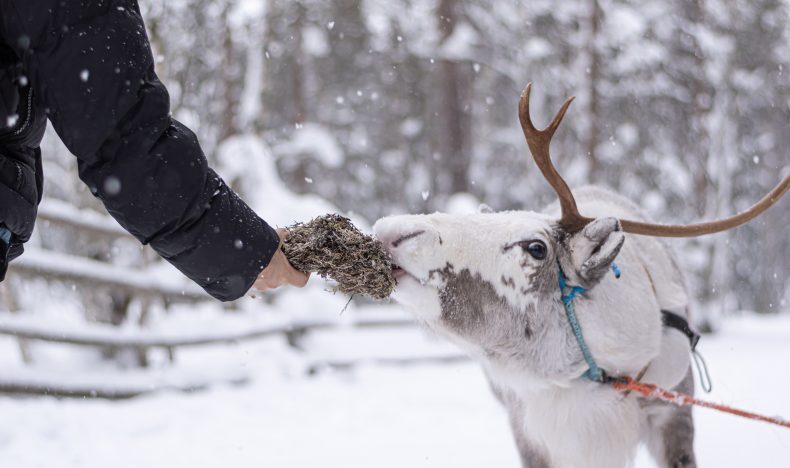
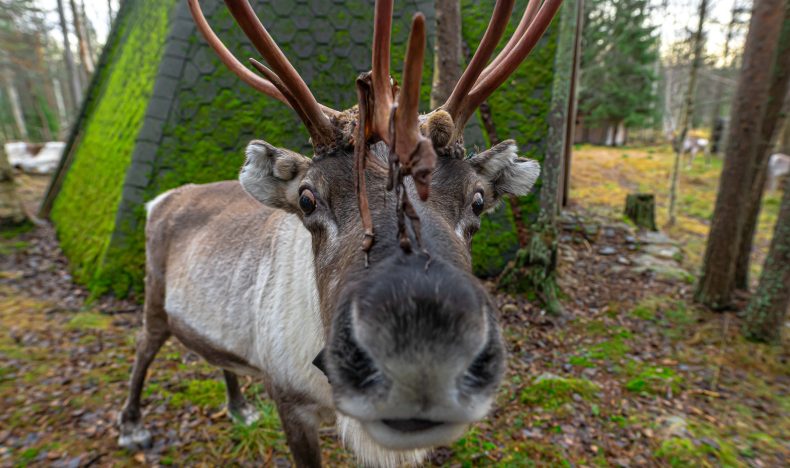
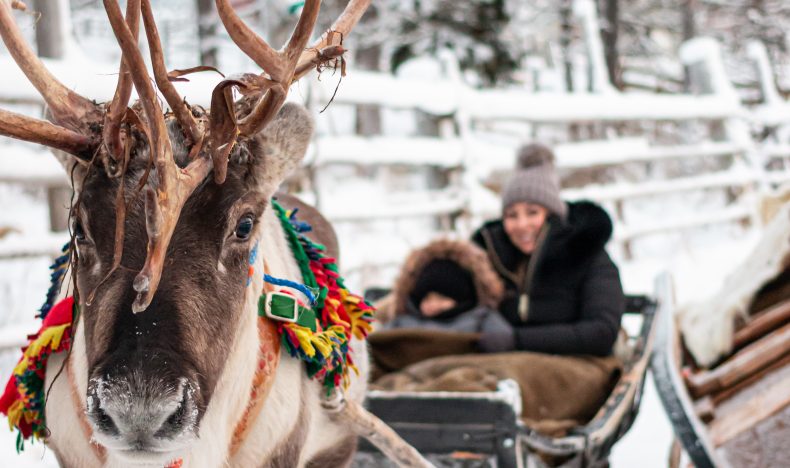
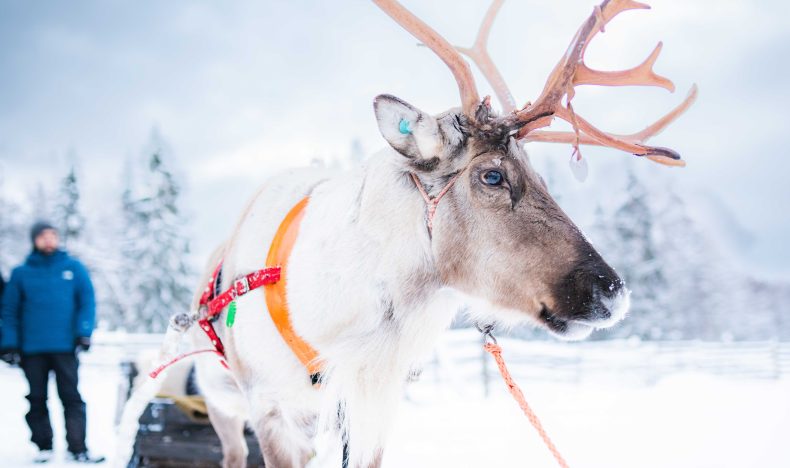
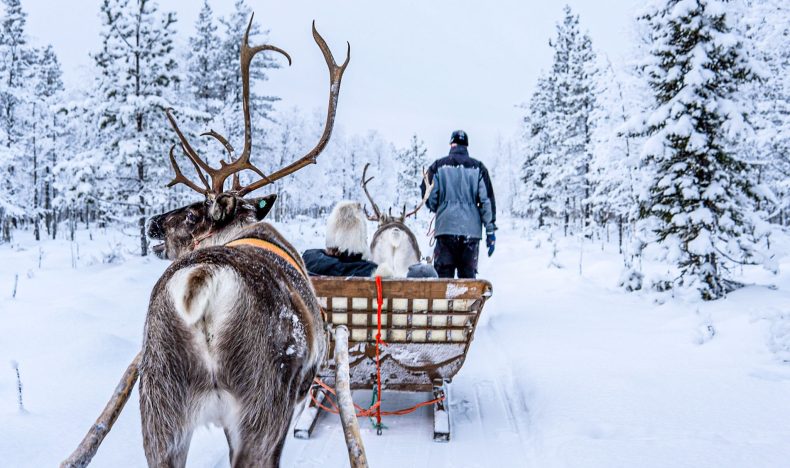
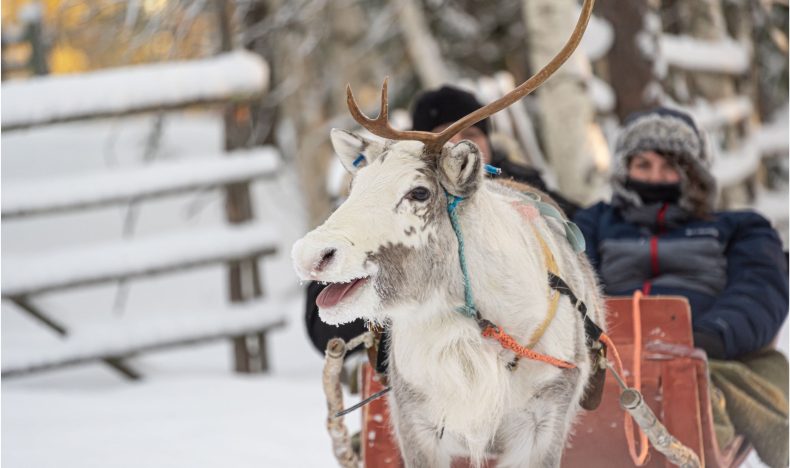
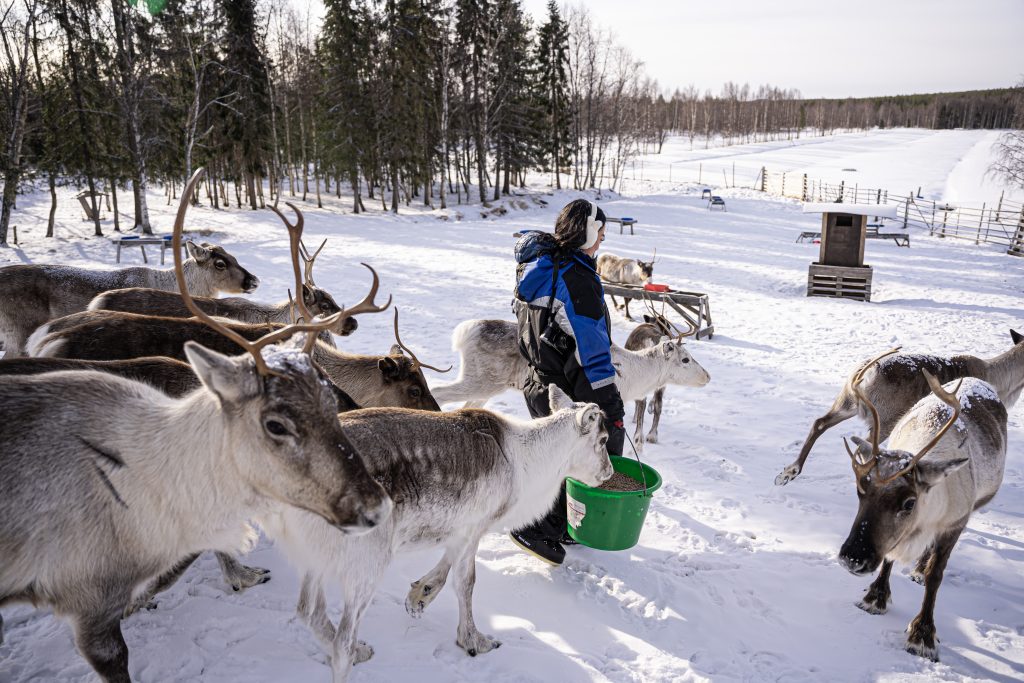
A farm visit from Rovaniemi starts with a 35-minute minibus drive. In winter, the Authentic Reindeer Farm Experience includes a two-kilometre sleigh ride through the snowy forest, feeding the reindeer and a hot drink with snacks in a warm shelter. From June to mid-November, the Local Reindeer Farm Visit with Photographer takes you to a family that has herded reindeer for at least five generations. You feed the animals, have crepes and hot chocolate in a kota, and try the suopunki, the lasso herders use to get a reindeer under control.
The antlers are usually the first thing guests ask about. They are solid bone that falls off and grows back every year, sometimes by two centimetres a day in summer, when a soft skin called velvet covers them. Between August and October the antlers harden and the reindeer rub the velvet off against trees, and by midwinter some of the herd may already have dropped theirs.
The reindeer year begins in early summer, when the calves are born. Swarms of biting insects, which Finns call räkkä, drive the herds onto windy fells and open bogs. Herders use that moment to gather the animals for calf earmarking, on foot, by ATV or, these days, with drones. In winter a dense coat keeps them warm, and they can dig through more than a metre of snow to reach lichen. A reindeer can still lose up to 20 percent of its autumn weight, so herders often give extra feed in the coldest months.
Herders have their own vocabulary too. A hirvas is an adult male, a vaadin a mature female and a tokka a large herd, while a reindeer of seven or older is a nimiloppu, roughly “out of names”. Ask your herder for a few more, because the list is long.
Near Levi, the Authentic Reindeer Sled Ride in Levi begins with a 15-minute minibus ride and a 1.5 km sleigh ride. Afterwards you feed the reindeer and warm up by the fire in a kota while you hear about life with reindeer and Sámi culture. In Pyhä, the reindeer farm visit and sleigh ride gives you a full hour in the sleigh and suits guests with limited mobility. Until snowmobiles arrived in the 1960s, reindeer sleds were the main way to travel here, and the rides still keep that steady, unhurried pace. If you drive yourself in Lapland, slow down whenever you see a reindeer or an elk at the verge, because both can step onto the road at any moment.
Huskies
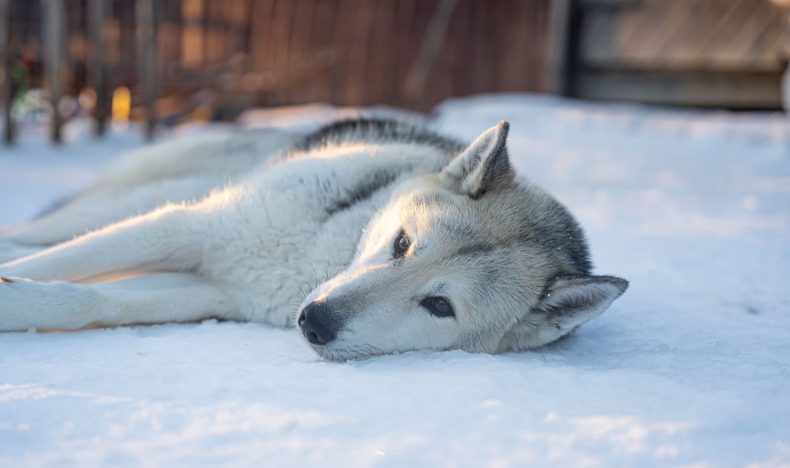
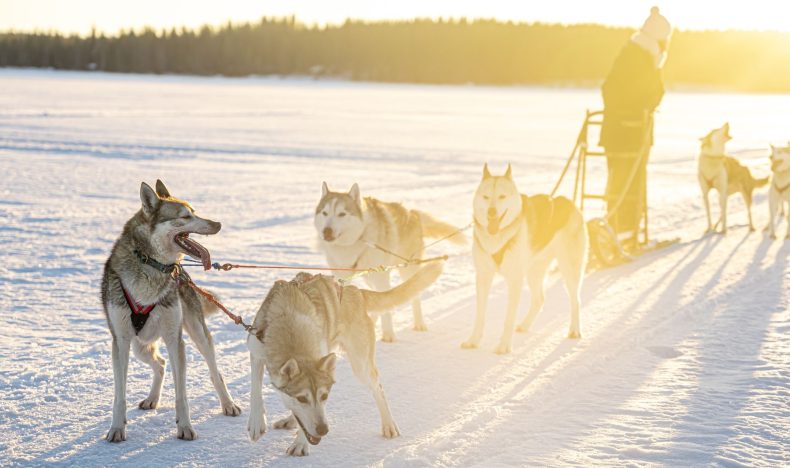
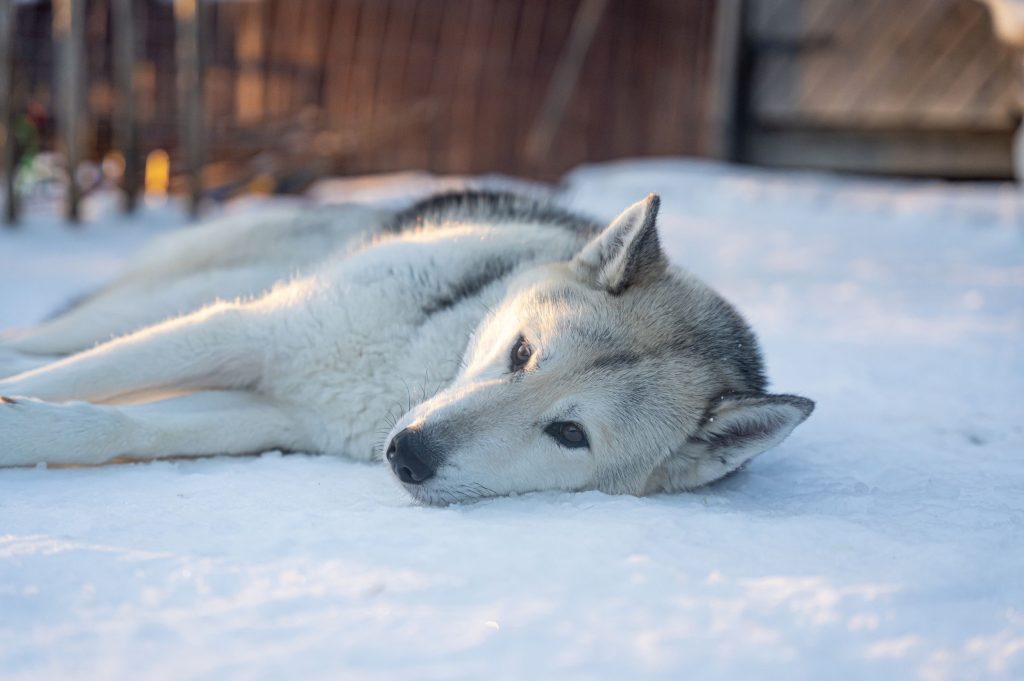
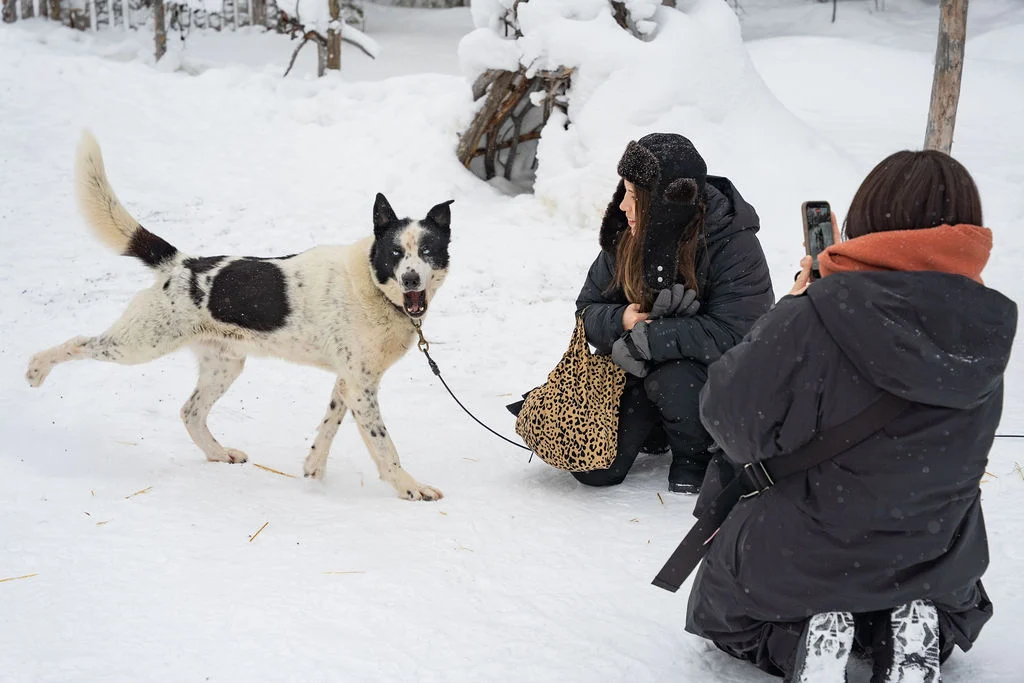
The kennel we visit on the Local Husky Experience with Sled Ride and Photographer is run by Jussi and Inka Holck, a local couple who have lived in the woods with their pack of sled dogs since 2017. You meet the team first, and each dog has its own character. Some are calm and watchful, others are full of puppy energy, and every team has leaders, strong endurance dogs and followers.
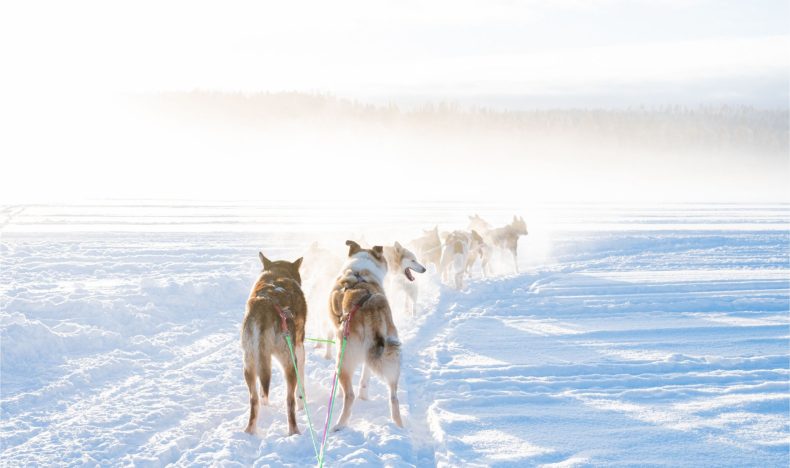
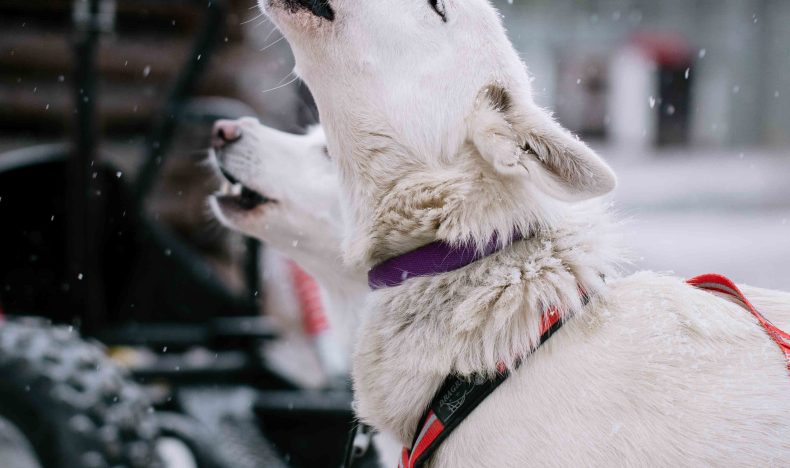
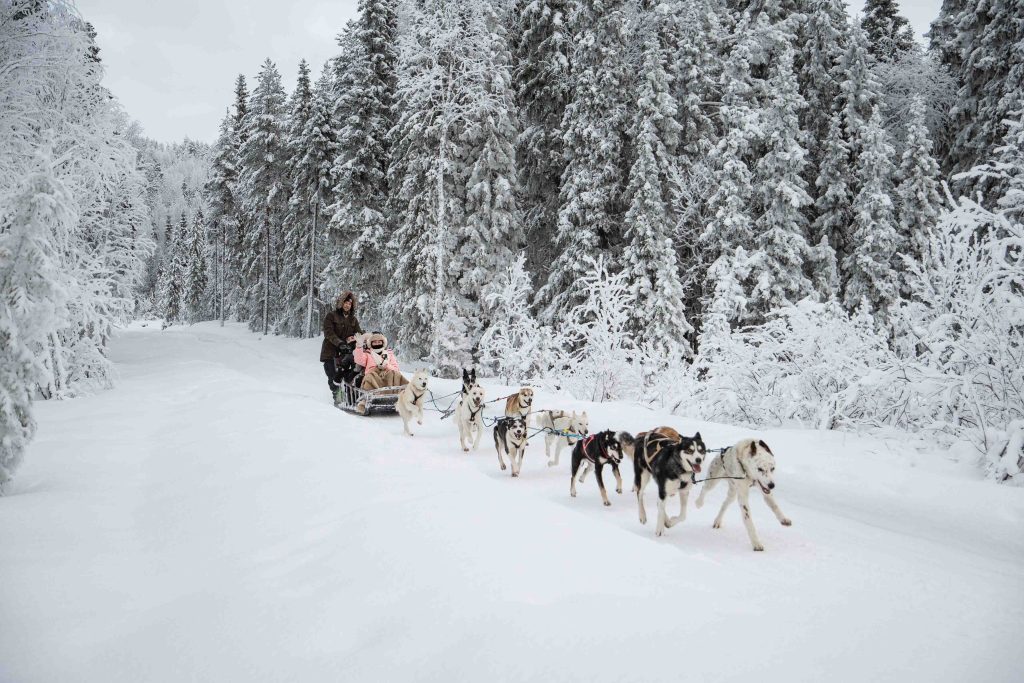
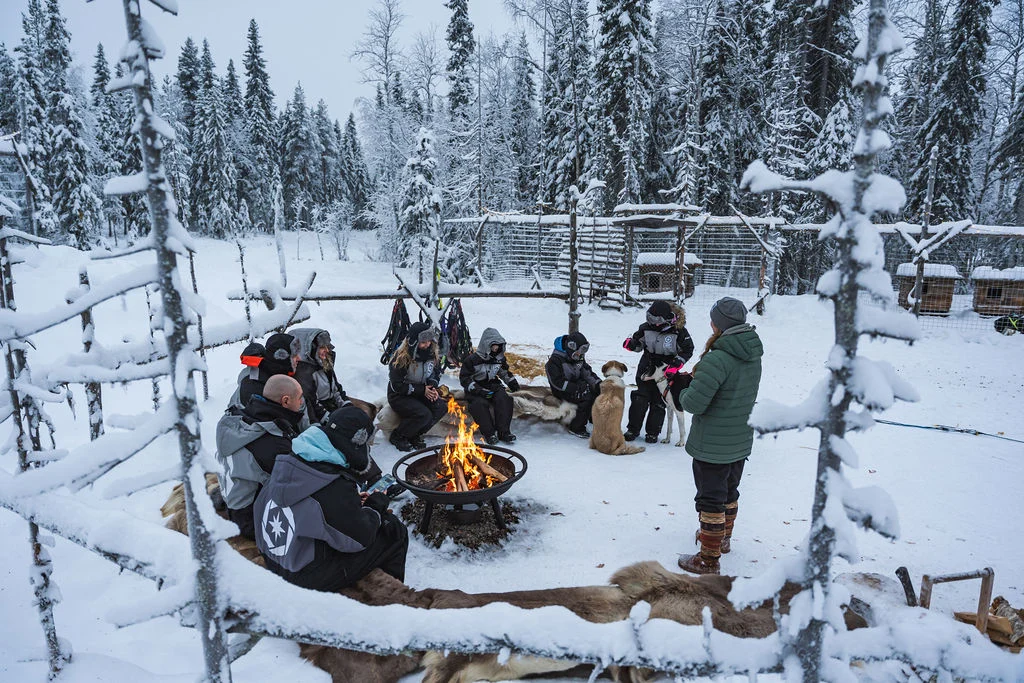
Once the harnesses go on, the same dogs start howling and jumping, eager to go, and then the ride itself is smooth and quiet. You ride three kilometres as a passenger while a professional musher drives, and afterwards there is time to pet the dogs and sit by the fire with a warm drink and cookies. From October to mid-November the Autumn Husky Experience with Cart Ride and Photographer uses a wheeled cart instead, until the snow arrives and the sled comes out.
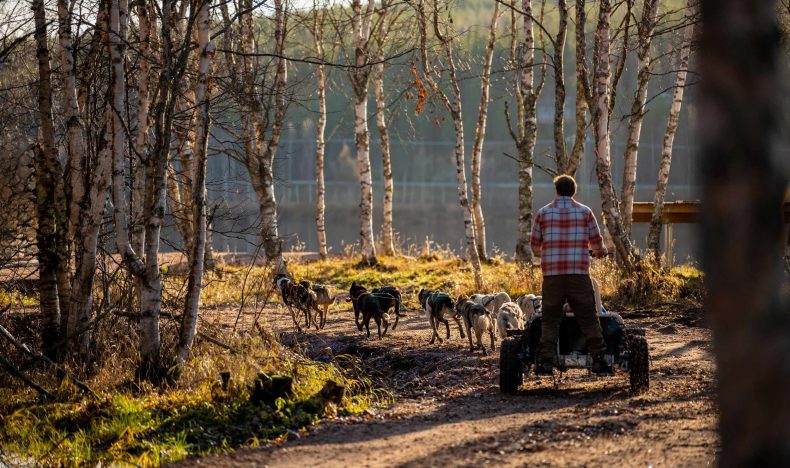
If you would rather drive, the Wilderness Husky Adventure with 12–18 km Husky Ride begins with safety and driving instructions, followed by about 90 minutes on a forest route. The tour is meant mainly for adults, and teenagers up to 16 who come along ride in the guide’s sled. A trusted partner runs this tour, so our photographer stays behind, as on our other partner tours.
For families who want both animals in one three-hour tour, the Reindeer and Husky Adventure with Photographer in Rovaniemi combines a 400 m reindeer sleigh ride with an 800 m husky ride driven by a musher. The rides are short, which keeps small children comfortable on the coldest days, and the tour is open to all ages. Levi has a 3-in-1 Combo Adventure with huskies, reindeer and a heated snowmobile sleigh between them.
Husky welfare depends on how the dogs live between rides. A small kennel can give every dog attention, regular days off and training suited to that dog, and a good musher will happily explain how it works. Ask how often the dogs run and how they rest, because the answer tells you a lot.
Arctic Fox & Other Wildlife
Arctic wildlife in Finland is varied but shy. According to Metsähallitus, which runs Finland’s national parks, the brown bear, lynx, wolf and wolverine generally avoid people. Plenty of Finns who have spent their lives outdoors have yet to meet a bear in the wild (luontoon.fi). Elk, which North Americans call moose, turn up more often, and Finland’s forests are full of birds that you can watch on any walk. Most bear watching happens in Kainuu and Koillismaa, near the eastern border.
The Arctic fox lives in the northernmost fells and is the most endangered mammal in Finland. Hikers are asked to keep at least 300–500 metres from a den, especially from April to the end of July, and to keep den locations off social media (Protect the Arctic fox when hiking in the fells).
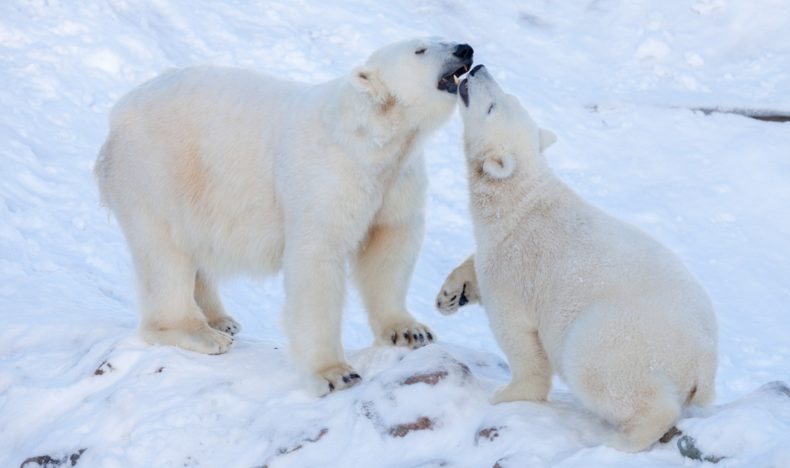
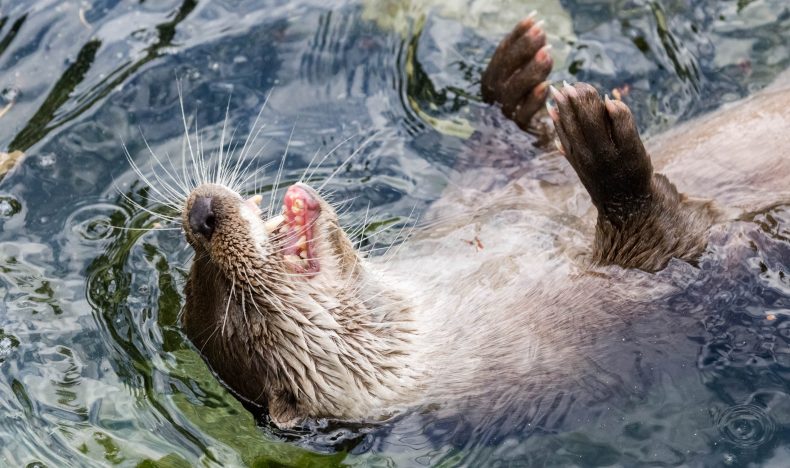
Ranua Wildlife Park opened in 1983 and keeps around 50 northern species, about 150 animals in all, along a 2.8-kilometre route that runs mostly on wooden footbridges through the forest. The enclosures are large and shaped like the animals’ natural surroundings. Many guests come for the three polar bears, which stay active right through the winter. Further along live wolves, lynx, wolverines, snowy owls, otters, beavers and Arctic foxes in white winter coats. The park takes part in European Endangered Species Programmes and cares for injured or orphaned wild animals.
Our Ranua Wildlife Park Photography Tour leaves Rovaniemi at 9:00 and lasts five hours, with park tickets, winter clothing and a maximum of eight guests. The guide helps you spot animals resting among the trees and shows you how to photograph through fences. On the way back there is time for Fazer sweets at the shops near the park. For your own group, book the private Ranua tour. The animals have room to hide, so patience on the trail pays off.
Where to See Them Responsibly
Metsähallitus keeps wildlife etiquette simple: keep a respectful distance, let animals move as they please and keep your food to yourself, because a frightened animal is a risk to you as well. Nesting birds are protected by law from April to July. The same courtesy goes for a reindeer by the road, and feeding belongs to the farm, where the herder shows you how.
At a farm or kennel, follow the herder or musher, who knows which animals enjoy company and which need space. Small groups help, and our own tours such as Ranua and the summer farm visit take up to eight guests, which keeps the yard calm and leaves time for questions.
When you compare Lapland animals tours, ask about rest days for the dogs and who actually runs each tour. Our post on how to choose a responsible tour operator in Rovaniemi goes further. We received the Green Activities Environmental Certificate and the Sustainable Travel Finland label in 2021, and we work with Protect Our Winters to help keep Lapland’s winters snowy.
Photography Tips
A pocket camera or a modern phone works well for daytime animal photos. If you bring a DSLR or mirrorless camera, pack spare batteries, because winter temperatures can fall below -30 °C and the cold drains them fast. You can also rent a camera kit from us, and the guide will show you how to use it.
With animals, patience and position matter more than the lens. Crouch to the height of the dogs or the reindeer, let them come to you, and keep the flash switched off so they stay relaxed. At Ranua, hold the lens close to the fence so the wire blurs away, and give each enclosure a few quiet minutes.
Our guides photograph in a documentary style, catching moments as they happen. If you would like a posed portrait too, just ask, and as our reindeer post puts it, we are happy to arrange one “together with our handsome animal models”. On our own tours the edited photos are included and ready at gallery.beyondarctic.com a few days after the tour.
Planning Your Animal Days
A farm or kennel visit takes two to three hours and Ranua takes five, so one or two animal tours a day is plenty, especially with children. Rovaniemi has the widest choice, and our Arctic animal tours range from summer farm visits to private Ranua days. The Levi animal tours include the reindeer ride, the 3-in-1 combo and a partner-run husky ride where you steer your own sled. Pyhä-Luosto has a reindeer farm and a husky farm in quieter surroundings.
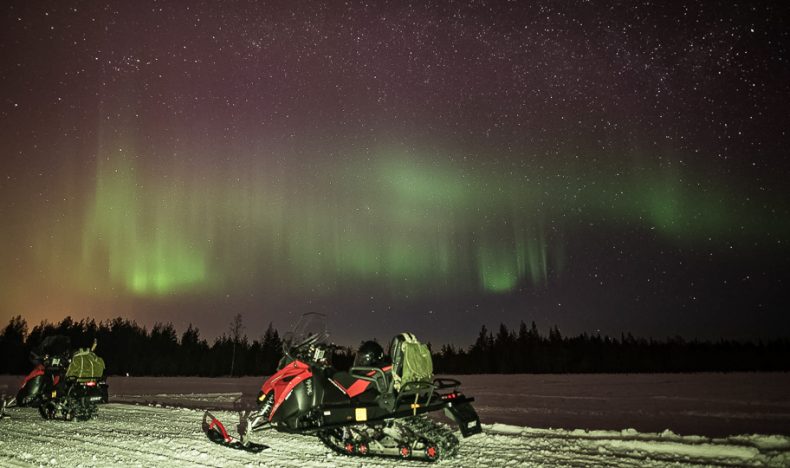
Most of our animal tours run during the day, so plan the northern lights for a separate evening, or join the Electric Snowmobile Northern Lights Tour and Meet the Reindeer, which combines a ride through the night forest, a reindeer visit and a campfire while you watch the sky. To plan your animal days, call or WhatsApp us on +358 50 323 1090 or email contact@beyondarctic.com.
Frequently Asked Questions
What Arctic animals will I actually see in Lapland?
Reindeer are almost certain, since they are common all over Lapland, and huskies are easy to meet at a kennel. Elk and forest birds are possible on any walk. Bears, wolverines, lynx and Arctic foxes are rarely seen in the wild, and Ranua Wildlife Park is the easiest place to see them, although its brown bears sleep through the winter.
Are reindeer and husky tours suitable for children?
Yes. The Reindeer and Husky Adventure, the Ranua tour and the winter reindeer farm visit are open to all ages. The wilderness husky tour is meant mainly for adults, and teenagers who come along ride in the guide’s sled while the adults drive, so check each partner tour page for its own limits when you book.
Is Ranua the same as seeing animals in the wild?
Ranua is a wildlife park, where the animals live in large forest enclosures along a marked trail. It gives you a good chance to see species that even Finns seldom meet in nature, such as wolverines and lynx. The animals can rest out of view, so what you see varies from visit to visit.
Can I visit a reindeer farm in summer?
Yes. Our summer and autumn farm visit runs from 1 June to 15 November, with feeding, suopunki throwing and crepes in a kota. Sleigh rides start with the winter farm tour, which runs from mid-November to April.
Do you run animal tours in Levi and Pyhä-Luosto as well?
Yes. Levi has a reindeer sleigh ride, a husky ride where you steer your own sled and the 3-in-1 combo. In Pyhä our local partners run a reindeer farm visit with a one-hour sleigh safari and a husky farm visit with a 4–5 km sledge ride.
How close can I get to the animals for photographs?
At farms and kennels you can stand right beside the animals, pet the huskies and feed the reindeer, guided by the herder or musher. In the wild, keep your distance, which around an Arctic fox den means at least 300–500 metres.
Will I see the northern lights on an animal tour?
Our farm, kennel and Ranua tours run during the day, so the northern lights belong to an evening tour. Aurora is never guaranteed, because it depends on solar activity and clear skies, which is why our aurora tours plan their route around the forecast.
Juho is a true explorer who is always seeking for the next adventure. With more than a decade of experience in demanding hikes, mountain climbs and remote destinations around the world, Juho wanted to combine the explorer's spirit with his passion for photography. Beyond Arctic was born.
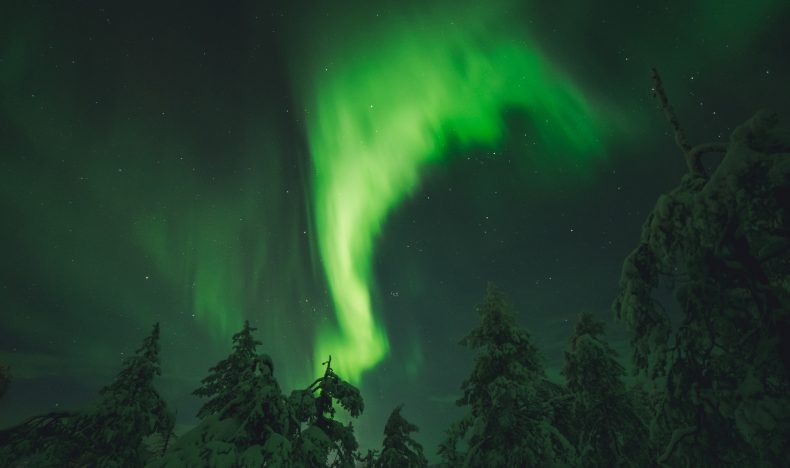
Learning how to photograph the northern lights comes down to three settings — a high ISO, a long shutter speed and a wide aperture — plus manual focus set to infinity and a steady tripod. Get those right and even a modest camera will capture colour and structure your eyes can barely see. Get them wrong and the brightest aurora of the season turns into a blurry, noisy smudge.
The best places to see the northern lights share three things in common: they sit under or near the auroral oval, they have long, dark winter nights, and they get you away from city light pollution. Finland, Norway, Iceland, Sweden, Canada and Alaska all qualify — but where you actually point your camera matters just as much as which country you fly to.
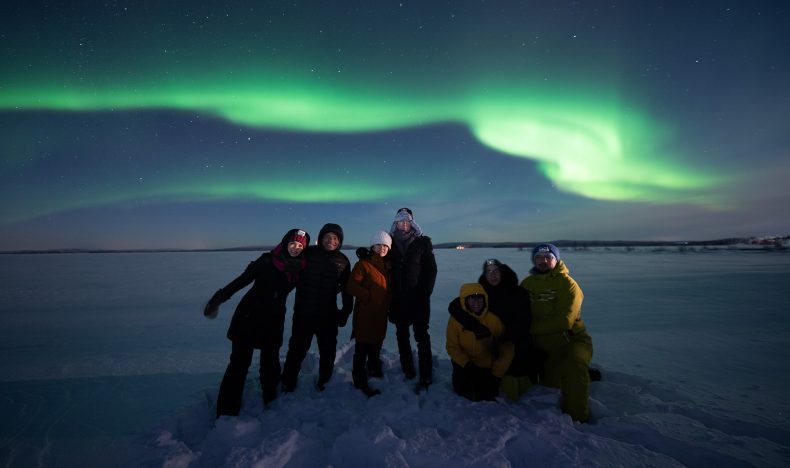
The best time to see the northern lights in Lapland is from late August to early April, on dark, clear nights, with the highest odds around the equinoxes and through the deep-winter months of December to March. There is no single perfect date — the aurora is a natural phenomenon — but get the season, the hours and the sky right, and Finnish Lapland is one of the most reliable places on Earth to watch the lights dance.

 Top Seller
 Beyond Originals
 Rovaniemi 145 € / person