Hunt for the Northern Lights with your own group and a professional photographer, with a private location, flexible timing and professionally edited photos.
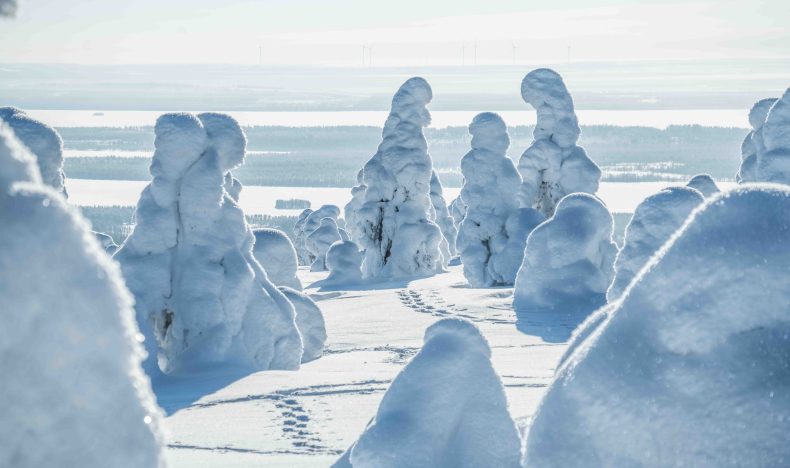
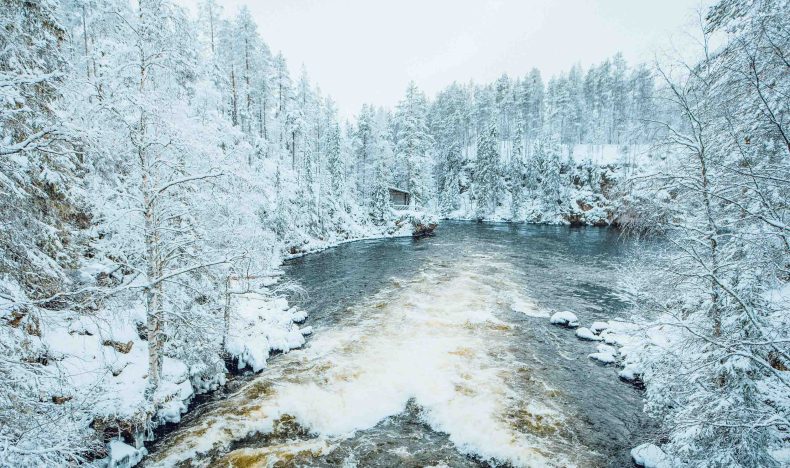
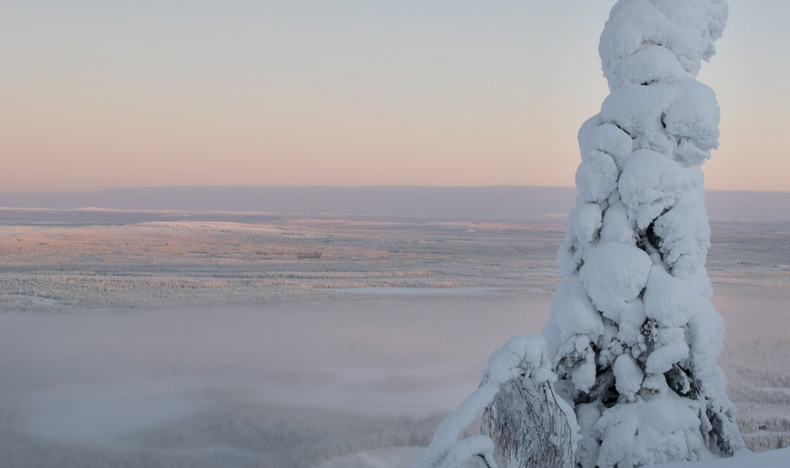
Explore Riisitunturi's snow-covered fells on an 8–9-hour small-group winter expedition with photography stops, a light campfire lunch and a 4–5 km route.
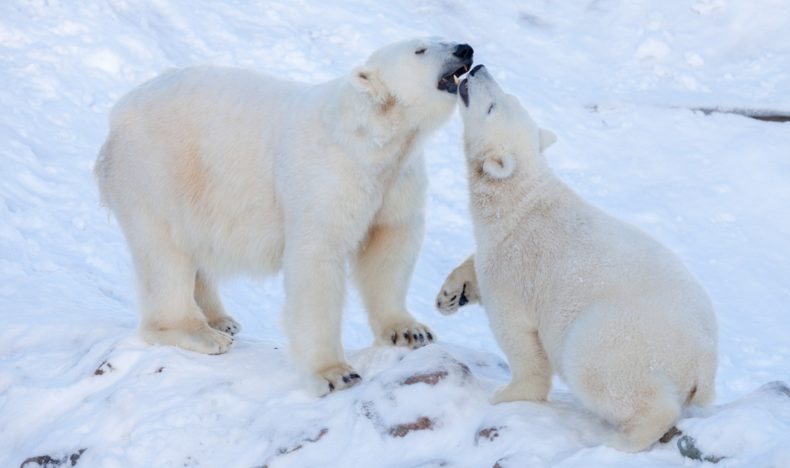
Visit Ranua Wildlife Park, home to more than 50 Arctic animal species, on a 5-hour tour from Rovaniemi with photography guidance and edited tour photos.
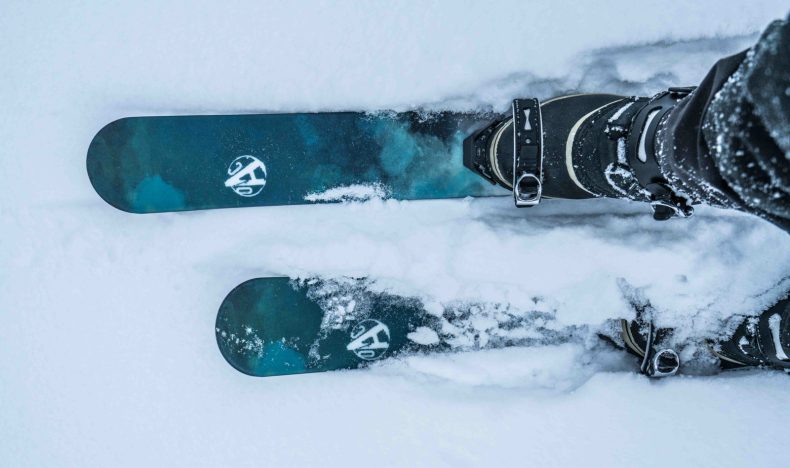
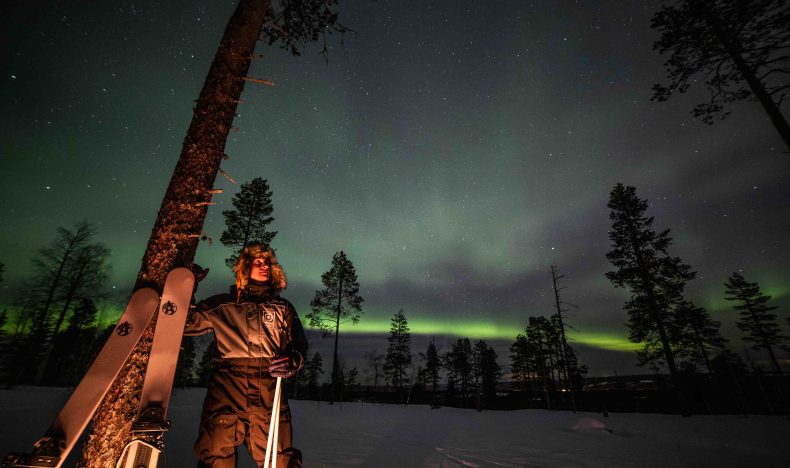
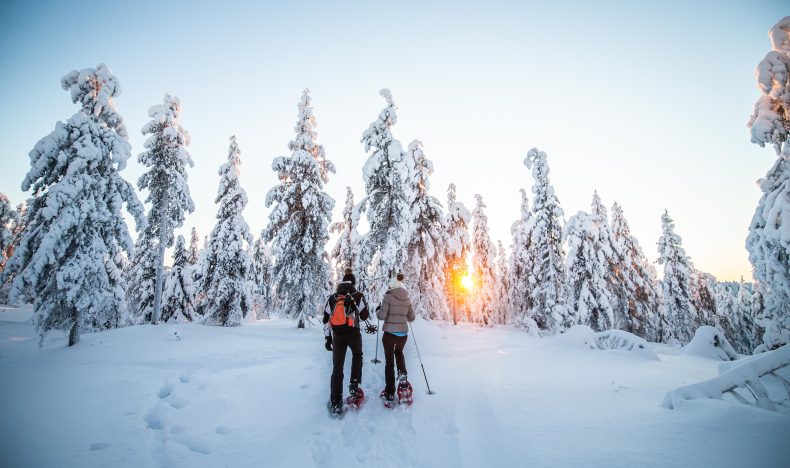
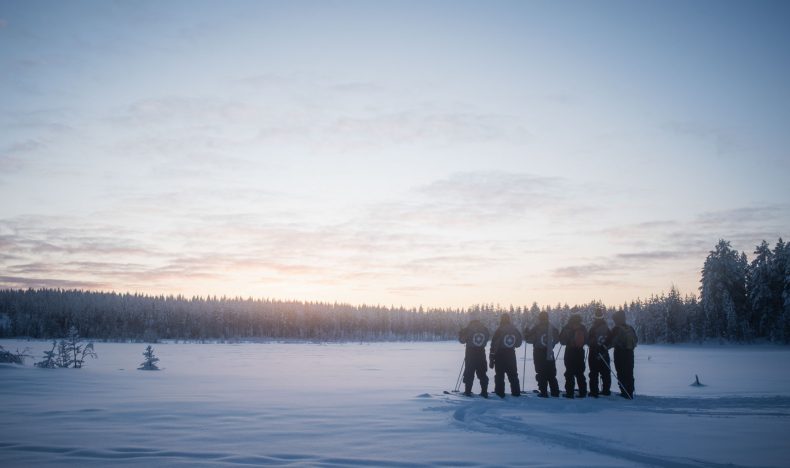
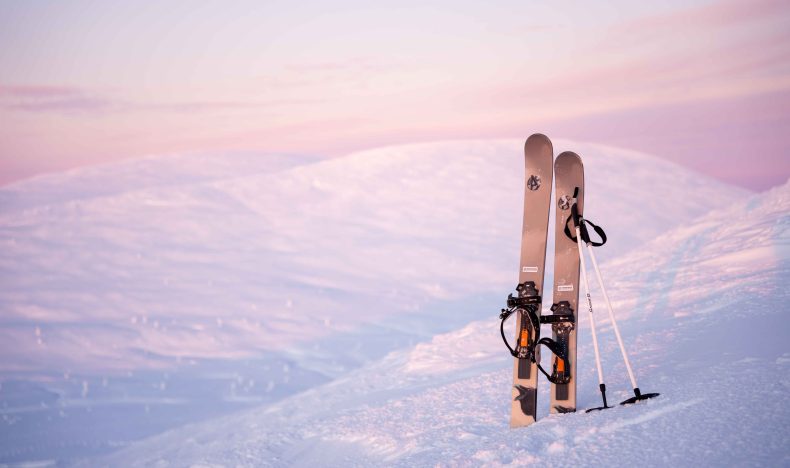
Learn the basics of backcountry skiing on a guided 3–4 km journey through peaceful forests near Rovaniemi, with photography and a relaxing campfire break along the way.
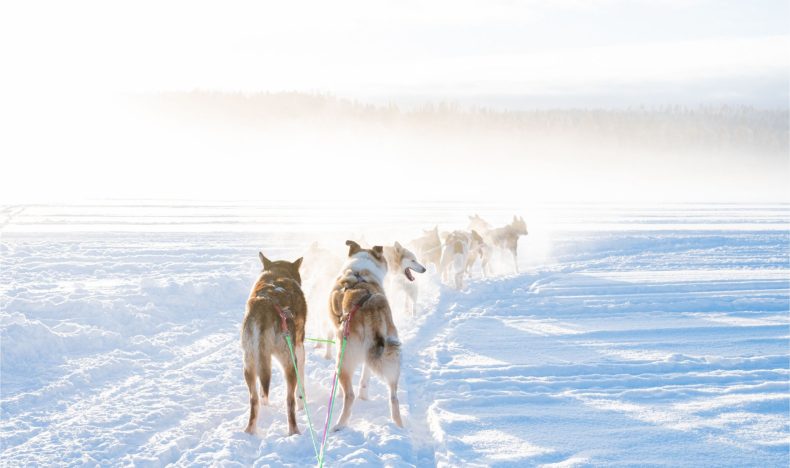
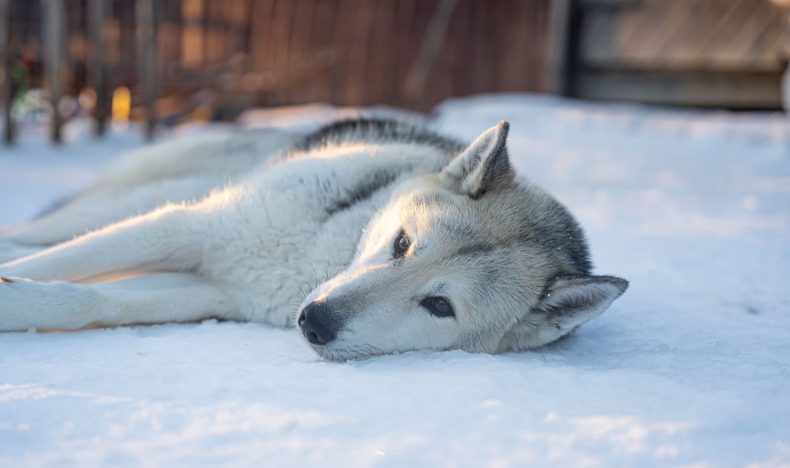
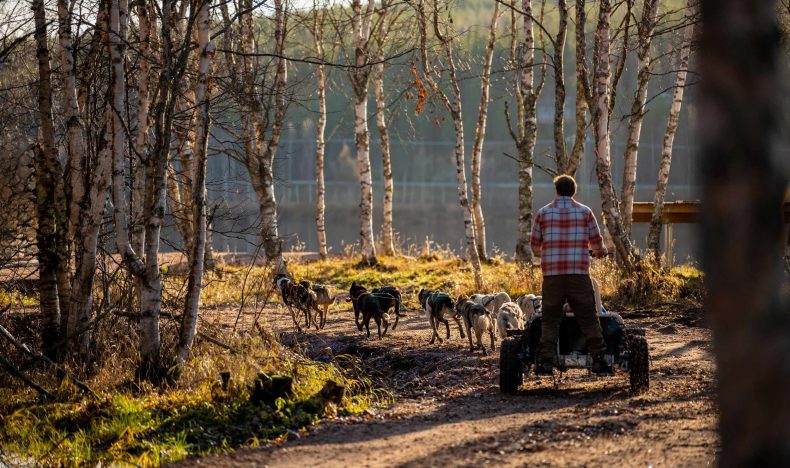
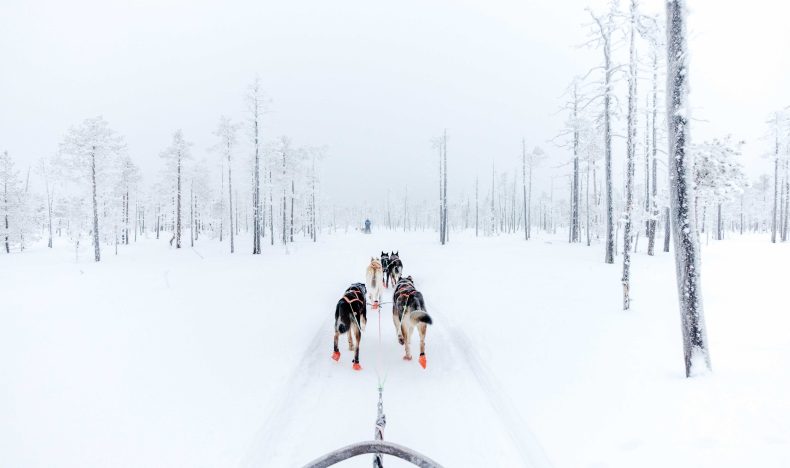
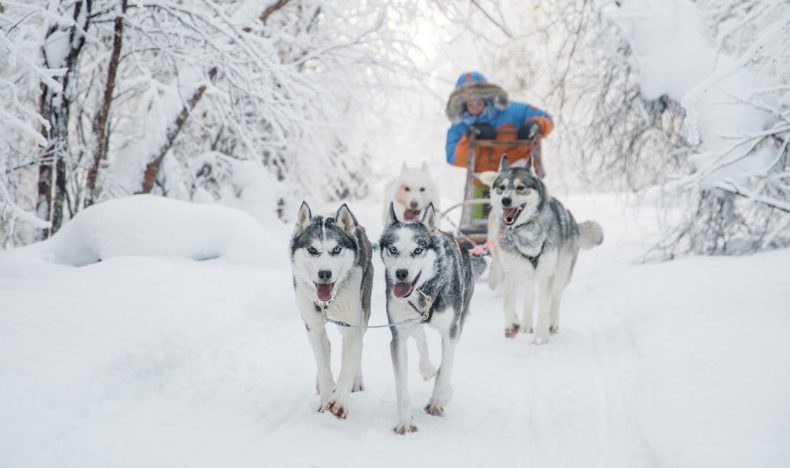
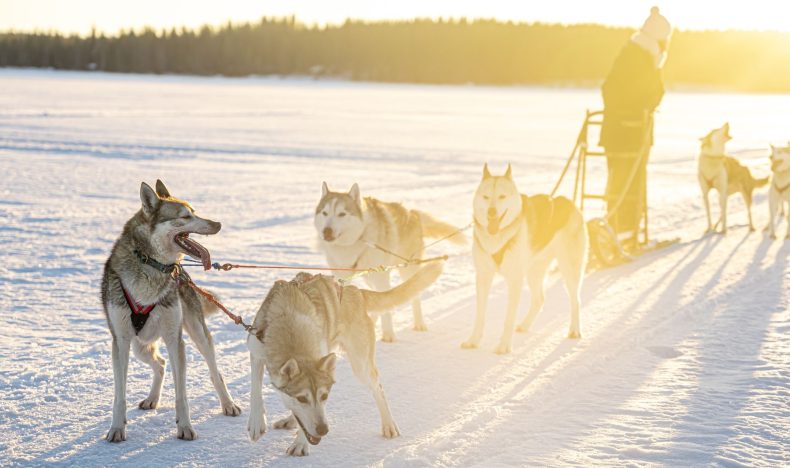
Mush your own husky team on a 12–18 km adventure through the wilderness outside Rovaniemi, then meet the dogs and enjoy stories and hot berry juice with cookies.
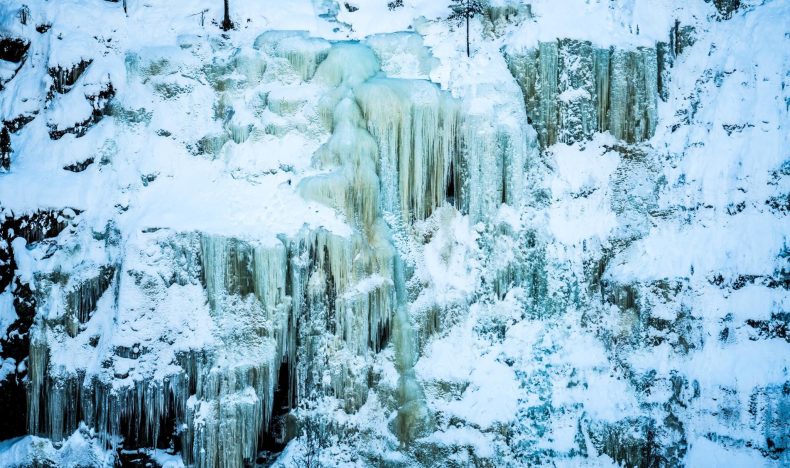
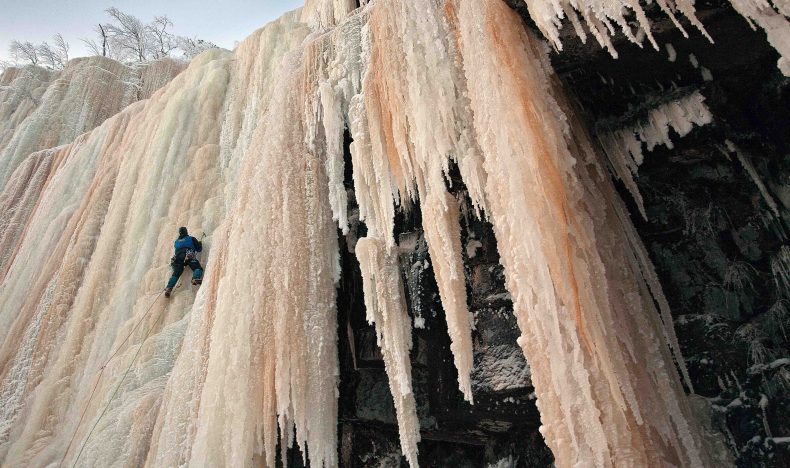
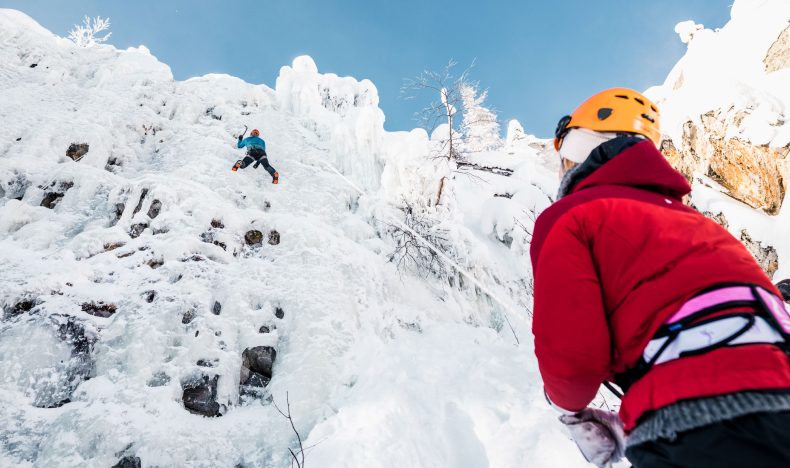
Travel from Rovaniemi to Korouoma Canyon for a full-day ice climbing adventure with a professional instructor, climbing equipment and return transportation included.
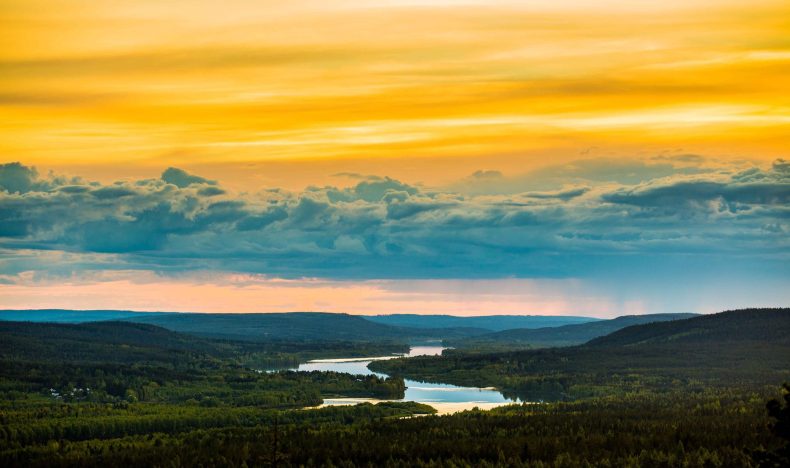
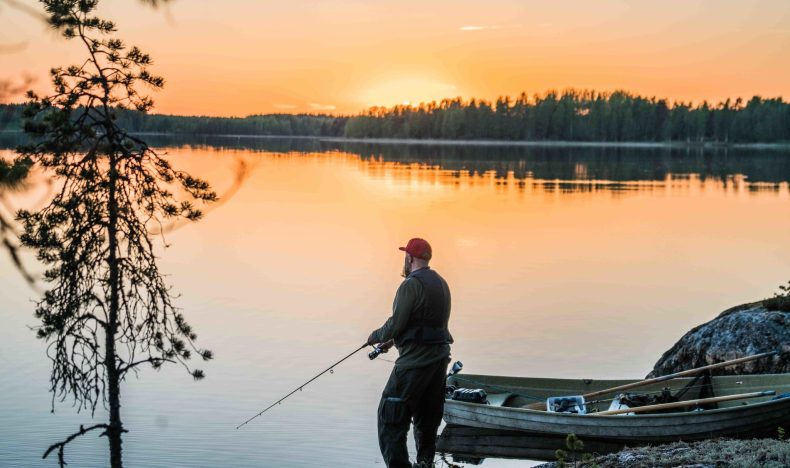
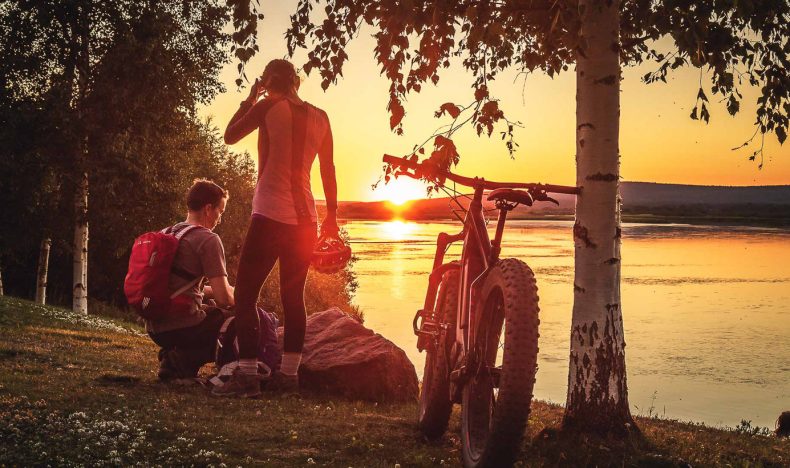
Photograph Rovaniemi's summer night light beside rivers, lakes and forests on a 3–4-hour small-group tour with camera guidance, a campfire stop and edited tour photos.
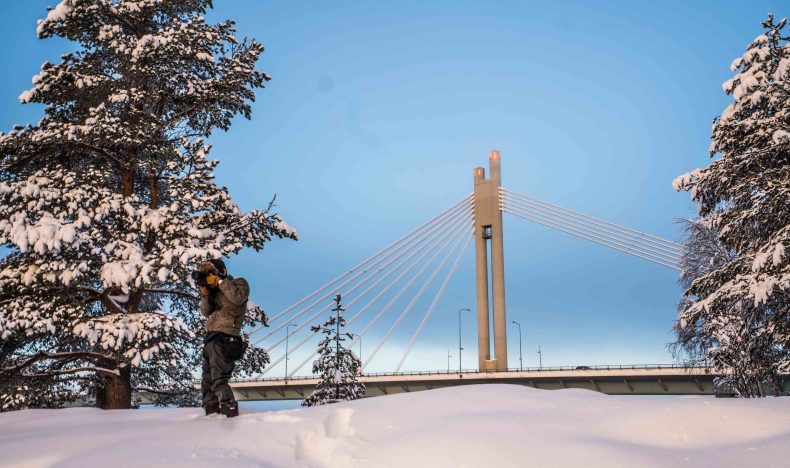
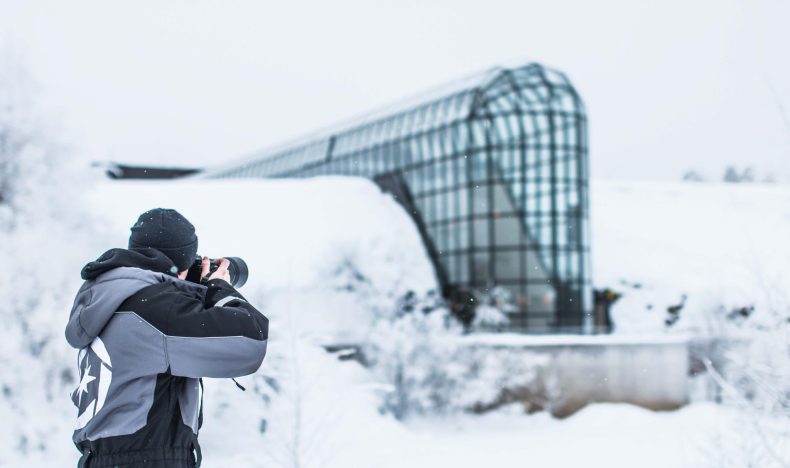
Photograph Rovaniemi's winter cityscape, frozen river and nearby snowy nature on a private 2-hour tour with a professional photographer and edited portraits.
Photograph Rovaniemi's riverside landmarks, summer light and nearby Lappish nature on a 2-hour tour with professional guidance and edited photos included.
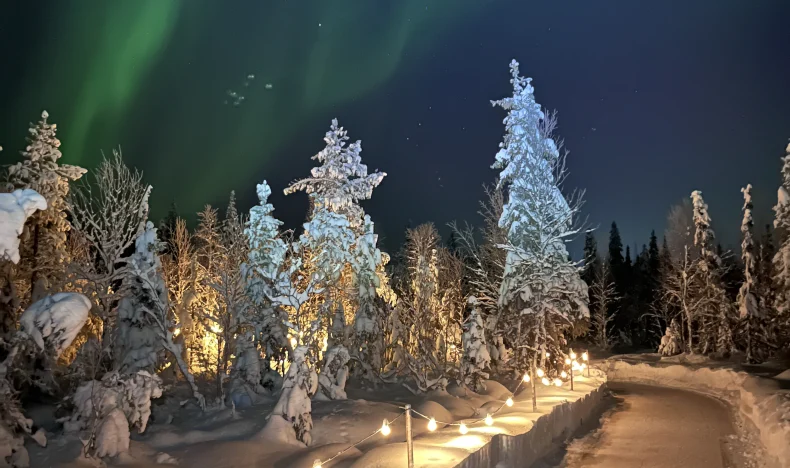
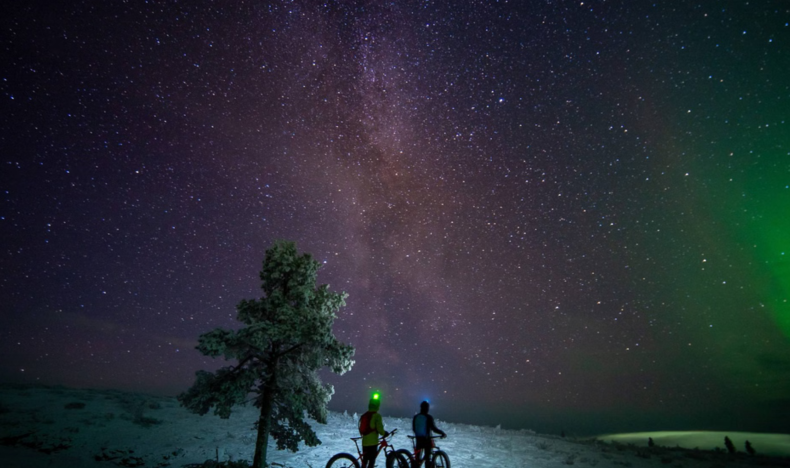
Hunt for the Northern Lights around Levi with a professional photography guide, camera support and edited tour photos. Aurora sightings are unpredictable and cannot be guaranteed.
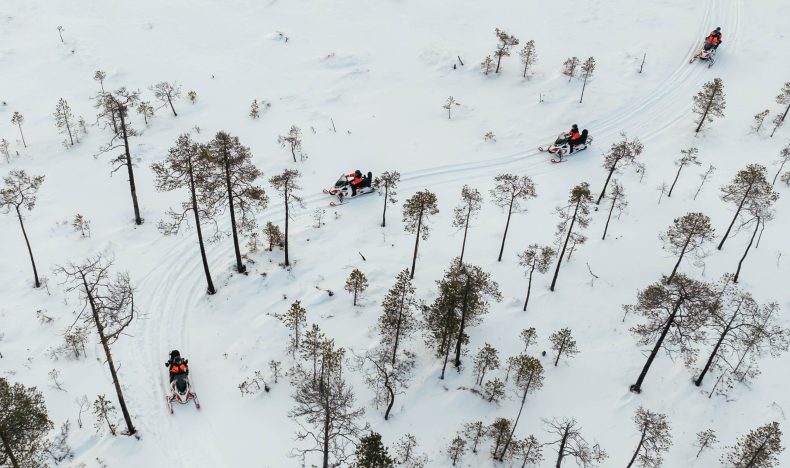
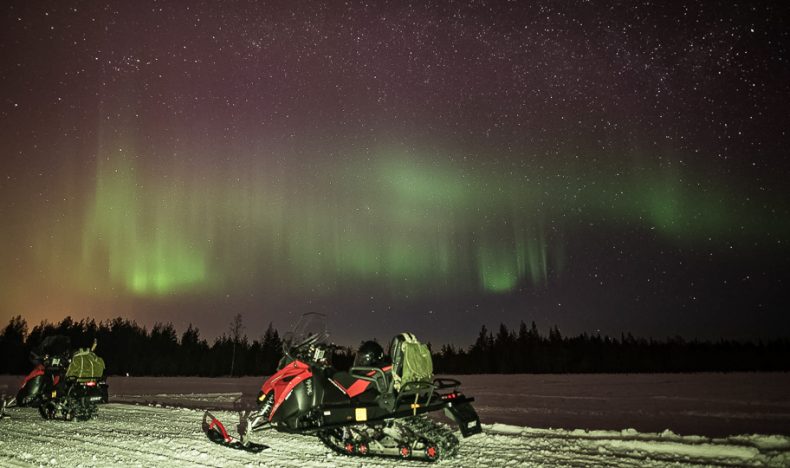
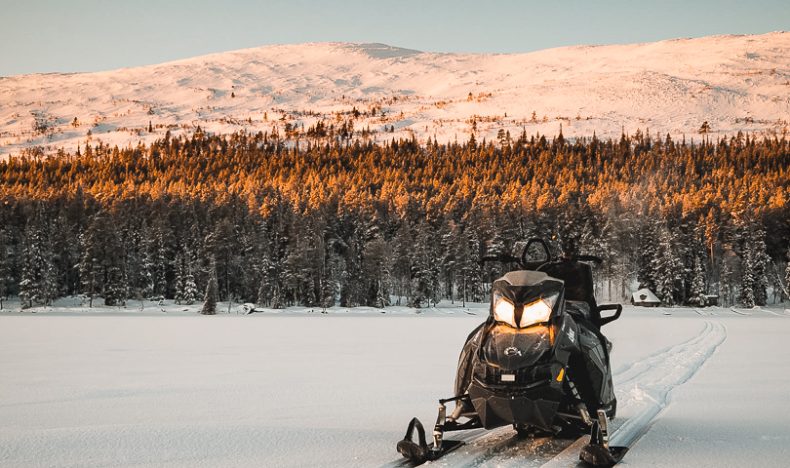
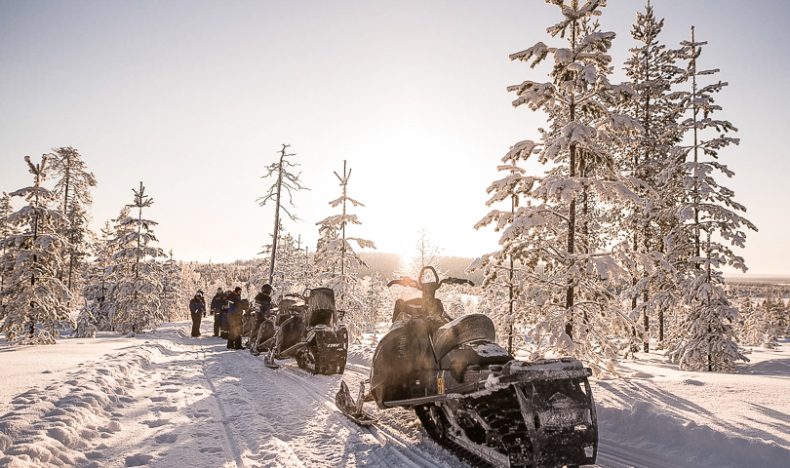
Ride a snowmobile through Levi's forests and frozen landscapes after dark, stopping to watch the sky and enjoy a fireside snack. Northern Lights sightings cannot be guaranteed.
Learn the basics of backcountry skiing on a small-group trip into the snowy wilderness near Levi, with specialist skis, warm clothing and photography guidance included.
So, what are northern lights, exactly? They are light given off by the thin air 80 to 500 kilometres above the ground, when fast electrons race down Earth’s magnetic field and collide with oxygen and nitrogen. Each collision gives an atom or molecule a little extra energy. When it settles back down, it releases that energy as coloured light, much as the gas inside a neon sign glows.
Once you know what is happening up there, a long evening under the sky becomes far more interesting, because you start to recognise what the aurora is doing. If you are still choosing your dates, our guide to the best time to see the northern lights covers the months and hours that matter most.
What Causes the Aurora
The story begins with the Sun, which sends out a steady stream of charged particles called the solar wind. Earth’s magnetic field shields the planet from much of that stream, but some of its energy still gets inside. In the long magnetic tail on the night side of the planet, that energy accelerates electrons to around a tenth of the speed of light, and they rush down the magnetic field lines towards the polar regions.
That gives the full answer to what causes northern lights: the solar wind supplies the energy, while the electrons that make the light come from Earth’s own magnetosphere. Above about 100 kilometres they strike oxygen and nitrogen, and the excited atoms and molecules release the energy as light. The NOAA Space Weather Prediction Center walks through the whole chain on its aurora page.
Because the electrons follow the magnetic field, the aurora gathers in two rings called auroral ovals, centred roughly on the magnetic poles. NOAA places the best viewing zone under that oval, between about 60 and 75 degrees of latitude, and both Rovaniemi and Levi lie above 66 degrees. This is why Finnish Lapland sees the aurora so often on dark, clear nights.
Arcs, curtains and substorms
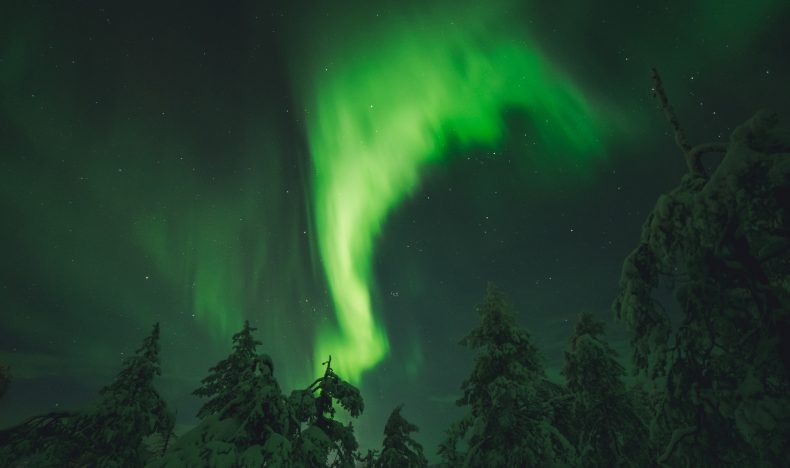
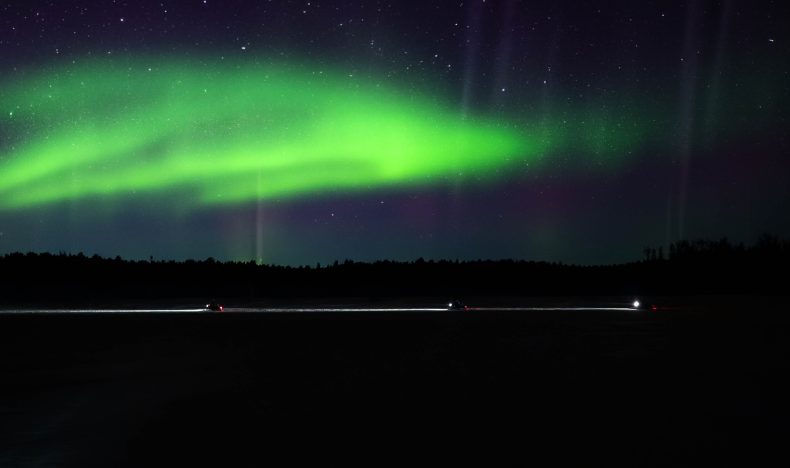
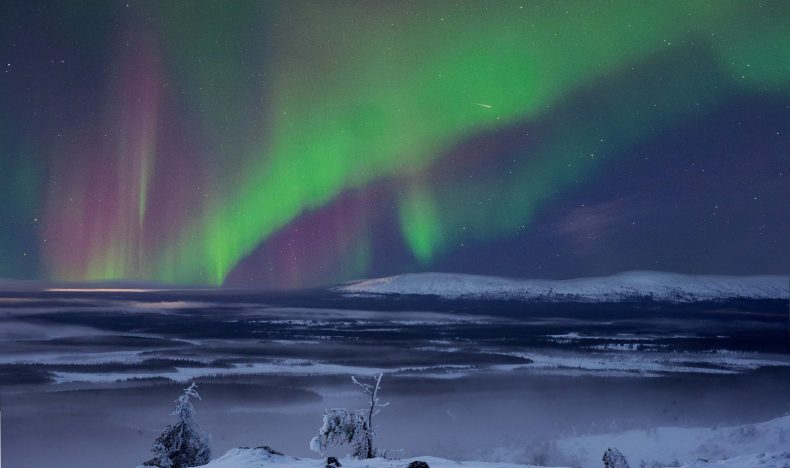
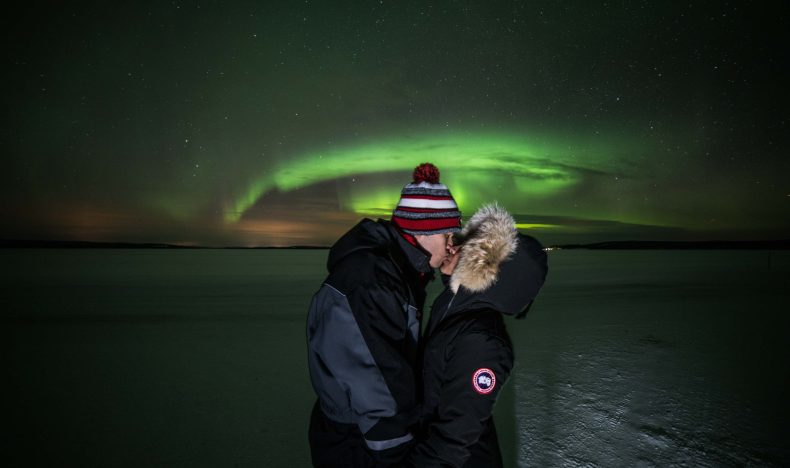
Through the night the shapes follow a rhythm, and NOAA describes a quiet evening arc stretching from horizon to horizon, often built from tall rays that hang like a curtain. In Finnish folklore this green arc over the northern sky is called Pohjan Portti, the Gate of the North, as the Finnish Meteorological Institute (FMI) points out. Closer to midnight the arcs begin to ripple and sway, and during an auroral substorm they brighten and can sweep across the sky in a few tens of seconds. After the peak the aurora usually breaks into soft patches that pulse gently until dawn. Our 2022–2023 season review describes a night like that on 22 October 2022, when we stood on the riverside and the whole sky lit up for about ten minutes close to midnight.
Solar Wind & Magnetosphere
The solar wind is a plasma, made mostly of protons and electrons, flowing outward from the Sun with part of the Sun’s magnetic field carried along inside it. NOAA’s solar wind overview gives its usual speed near Earth’s orbit as about 400 kilometres per second, while streams from coronal holes on the Sun travel at 500 to 800 kilometres per second. Three properties decide how strongly it stirs up Earth’s magnetic field: its speed, its density and the direction of the field it carries. When that field points southward, opposite to Earth’s own, more energy flows in and the aurora grows brighter and spreads further from the poles.
What the magnetosphere does
The magnetosphere is the region of space where Earth’s magnetic field is in charge. The solar wind squeezes it to about 10 Earth radii on the side facing the Sun and stretches it into a long tail on the night side. NOAA compares the shape to water flowing around a rock in a stream. Its outer boundary, the magnetopause, still lets energy, mass and momentum from the solar wind leak through. NOAA explains that the electrons behind the brightest midnight aurora are accelerated in the tail, and FMI likewise names the hours either side of midnight as the best time to watch.
Why activity comes in waves
The Sun turns roughly once every 27 days, so a long-lived coronal hole can send a fast stream past Earth again a month later. Around the spring and autumn equinoxes, FMI explains, Earth sits at the best angle in the solar wind for energy to pass into the magnetosphere. Magnetic storms are therefore more common on average in spring and autumn than in summer and winter. Over the longer term, solar activity rises and falls on a cycle of about 11 years.
Coronal mass ejections, or CMEs, are vast clouds of plasma thrown out by the Sun, and they drive the largest geomagnetic storms. During such a storm the auroral ovals expand towards the equator, and the aurora shows up far south of Lapland. In mid-January 2026, as we wrote on our blog, one of the most significant solar storms in more than two decades reached Earth, and one of our guides heard from friends in Greece who saw the aurora during that storm.
Colours
Green is the most common colour, and it comes from oxygen atoms glowing at a wavelength of 557.7 nanometres. Deep red also comes from oxygen, but from a different excited state, while the purple or pinkish hem you sometimes see along the bottom of a bright curtain comes from nitrogen molecules. NOAA’s aurora tutorial explains why the colours sort themselves by height. Each excited atom or molecule holds its extra energy for a different length of time, and in denser air a collision can take that energy away before any light is released.
Colour
Source
Typical height (NOAA)
Why it appears there
Green
Atomic oxygen
about 120–400 km
The excited state lasts about one second, which is short enough to glow before a collision interrupts it
Deep red
Atomic oxygen
above about 300 km
The excited state lasts more than 150 seconds, so it survives only in very thin air
Purple or pinkish lower border
Molecular nitrogen
about 120–200 km
Nitrogen emits almost instantly, so it shows up lower down, where the air is denser
A strong curtain can therefore look layered, with a purple hem at the bottom, green through the middle and a red glow above. On 23 March 2023, a night our season review lists as a level 3 geomagnetic storm, our team saw green, purple, red and blue in the same clear sky.
What your eyes see and what the camera sees
Human night vision picks out brightness well before colour, which is why many people describe a faint aurora as pale grey or white. NOAA notes that only fairly bright aurora shows its true greens and reds to the eye, while modern cameras record colour in aurora too dim for us to see. A camera on a tripod gathers light for several seconds, so a grey band low on the horizon often turns out clearly green on the screen.
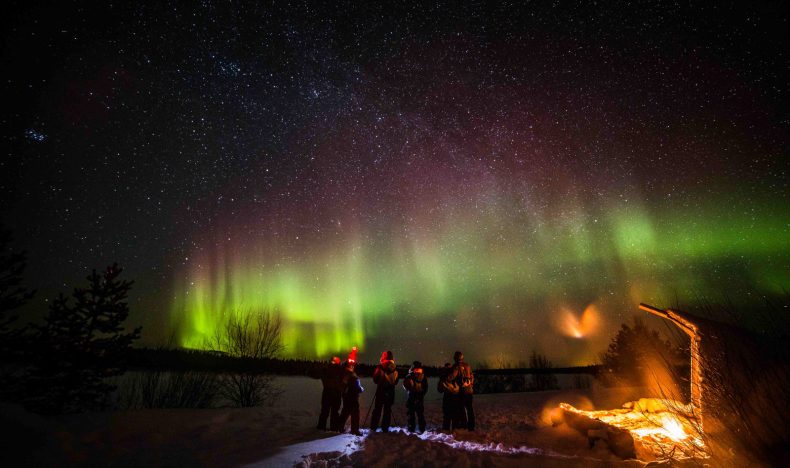
On our own aurora tours the guide is a professional photographer who can show you that difference on the back of the camera, and our guide on how to photograph the northern lights explains the settings. For your eyes, FMI suggests standing away from city and traffic lights and giving them around half an hour in the dark.
Kp Index & Forecasts
The Kp index explained
Most aurora apps lead with a single number, the Kp index, which runs from 0 to 9. NOAA’s planetary K-index page defines the K-index as a measure of disturbance in the horizontal part of Earth’s magnetic field, based on the largest swings a magnetometer records over three hours. The planetary Kp is a standardised average from 13 observatories between 44 and 60 degrees geomagnetic latitude. A value of 5 or more counts as a geomagnetic storm, and NOAA’s space weather scales rate those storms from G1 at Kp 5 up to G5 at Kp 9. The letter K comes from the German word Kennziffer, meaning “characteristic digit”.
Two features of that definition explain most of the confusion around it. Kp describes the planet as a whole and comes from mid-latitude stations, so it gives a broad signal of activity rather than a reading for the sky above Rovaniemi. It also works in three-hour blocks, while NOAA notes that an active aurora can move from one horizon to the other in a few tens of seconds. NOAA’s tutorial adds that even Kp 3 or 4 can bring a nice aurora closer to the magnetic poles, which is good news for anyone already this far north. For short-term warnings, satellites about 1.5 million kilometres towards the Sun measure the solar wind before it reaches us, which gives NOAA a fairly accurate forecast 15 to 45 minutes ahead.
The local view: FMI’s R-index
For Finland, the Finnish Meteorological Institute’s auroras and space weather service gives a closer and faster picture. It shows the R-index, which tracks how quickly the magnetic field changes within a 10-minute interval at FMI’s magnetometer stations. Each station has two thresholds. Above the lower one the chart turns yellow and auroras are possible but usually dim, and above the upper one it turns red and FMI rates auroras as very likely to be visible.
Space weather is only half of the forecast, because the aurora shines far above the weather and a single layer of cloud hides even a strong display. On our tours we cross-reference cloud-cover maps with several space-weather sources and adjust the route during the evening. We usually have more than one team out, so the guides can share what they see across a wide area, and with eight guests at most it is quick to pack up and move. On 28 February 2023, for example, Rovaniemi lay under heavy cloud, so the team drove close to the Swedish border, where the sky opened up.
Myths
“You only see the aurora in hard frost”
The aurora shines whatever the temperature on the ground. FMI explains the connection the other way round: a hard frost often comes with clear skies, which let you see it, while milder weather tends to bring cloud. The cold is a sign of good viewing conditions rather than the cause.
“The northern lights make a sound”
People have reported faint sounds during strong displays for a long time. FMI says the claim remains unconfirmed by scientific measurement, and recordings by Aalto University and the Sodankylä Geophysical Observatory have so far been inconclusive. Most people watch the aurora in complete silence.
“The aurora is dangerous”
FMI describes the aurora as harmless to people in everyday life. Very strong space weather can disturb satellites and some technical systems, while the light itself is entirely safe to stand under.
“The aurora takes the summer off”
The aurora keeps going all year, and NOAA notes that the midnight sun at auroral latitudes simply hides it through the summer months. The season in Lapland runs from late August, when the nights darken again, into the first half of April.
“A tour can guarantee the lights”
The aurora is never guaranteed, since the solar wind and the cloud cover decide each night. What a guide can offer is knowledge of dark locations, the freedom to move and a clear explanation of the conditions. Before you book, our overview of the northern lights in Lapland explains the season, and our guide to the best places to see the northern lights helps you compare where to go. You can also download our free Northern Lights hunting handbook, twelve pages from our own photographers.
Frequently Asked Questions
What are northern lights in simple terms?
They are light from the upper atmosphere, made when electrons guided by Earth’s magnetic field strike oxygen and nitrogen between 80 and 500 kilometres above the ground. In the northern hemisphere the display is called the aurora borealis, and in the southern hemisphere the aurora australis.
Why do the northern lights appear on some nights and stay hidden on others?
It depends on how much energy the solar wind is feeding into Earth’s magnetosphere at that moment, and on your own patch of sky. Even a strong storm needs darkness and a clear sky to be seen from the ground, so the space-weather forecast and the cloud forecast always belong together.
Is the aurora borealis explained the same way as the southern lights?
Yes. In both hemispheres, electrons guided by Earth’s magnetic field strike oxygen and nitrogen in the upper atmosphere. NOAA describes the aurora borealis and the aurora australis as mirror images that become active at the same time.
Can you see the northern lights from Rovaniemi?
Yes. Rovaniemi lies above 66 degrees north, inside the band of 60 to 75 degrees where NOAA says the aurora is best observed. You still need a dark, clear night, and FMI recommends a spot away from city lights with an open view to the northern horizon.
Juho is a true explorer who is always seeking for the next adventure. With more than a decade of experience in demanding hikes, mountain climbs and remote destinations around the world, Juho wanted to combine the explorer's spirit with his passion for photography. Beyond Arctic was born.
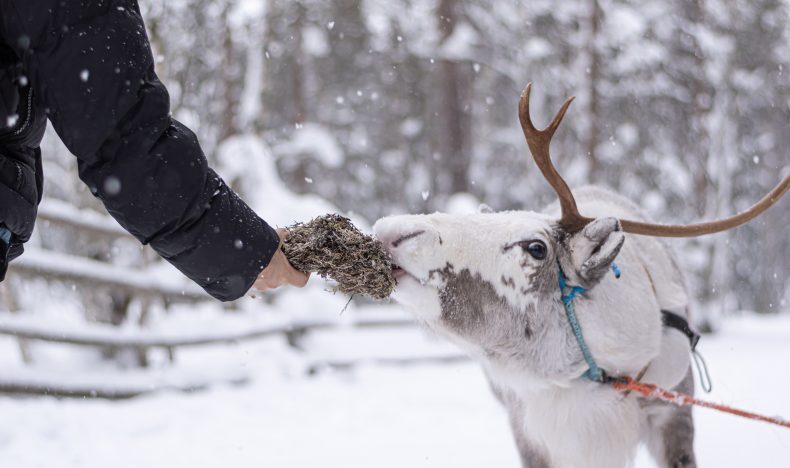
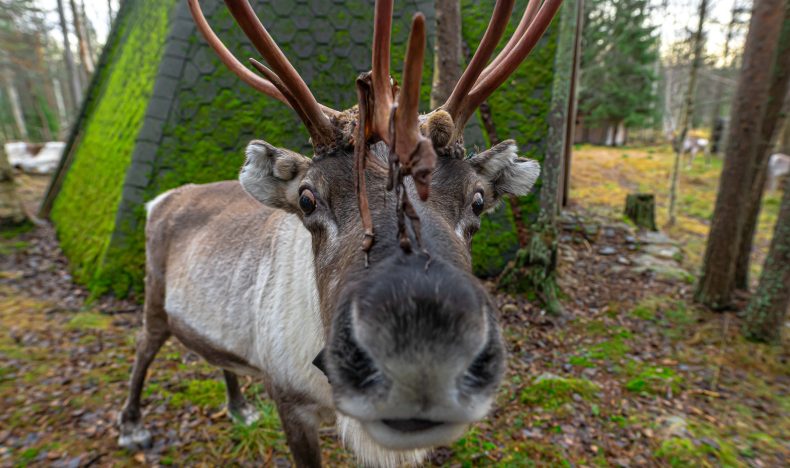
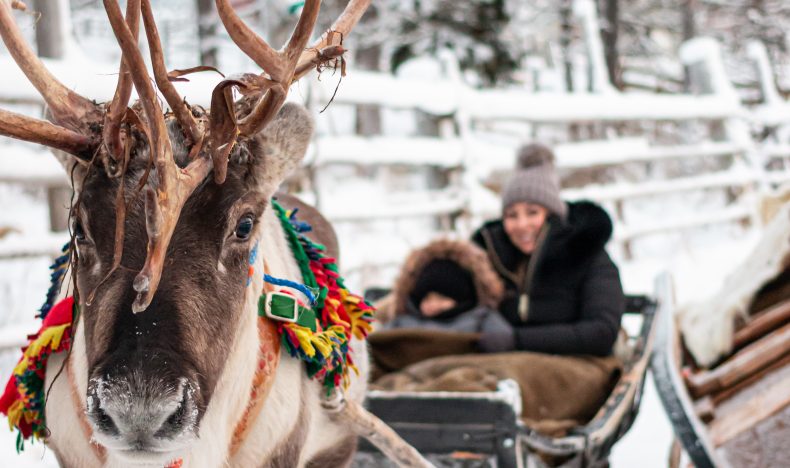
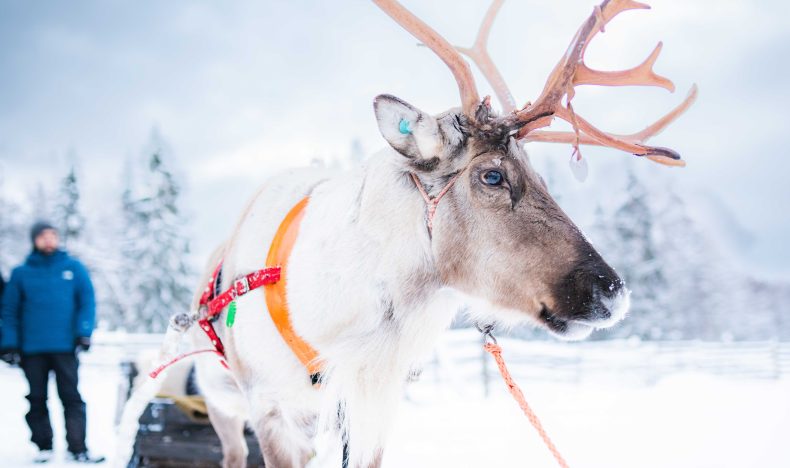
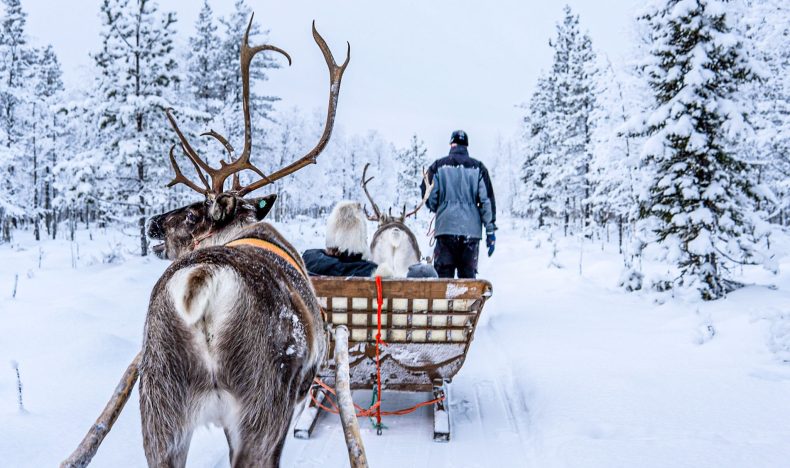
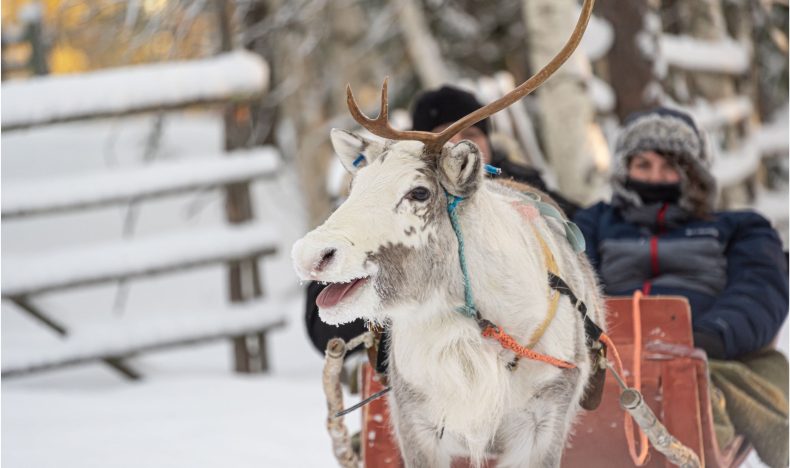
A reindeer ride in Rovaniemi is the slowest way to travel through a Lapland forest, which is a big part of its charm. You sit in a sleigh while a reindeer pulls you along a snowy trail at its own steady pace, and at the farm the herders tell you about their work and the place of reindeer in Lapland life. On our winter farm tour the sleigh ride covers two kilometres, and the whole visit takes about three hours from pick-up to drop-off.
Most people working out when to visit Lapland already have a picture in mind: a husky team on deep snow, green light over a frozen lake, or a river glowing orange at midnight in July. Each of those belongs to a different part of the year, so the month you choose shapes the trip far more than the hotel. We have been running small-group photography tours from Rovaniemi since 2016, and we take guests out in winter, summer and autumn alike.
Where is Lapland? It is the far north of Europe, a wide belt of forest, fells and rivers that runs across the top of Norway, Sweden and Finland and reaches into the northwest corner of Russia. When people say they are going to Lapland, they usually mean Finnish Lapland, the northernmost region of Finland, and most of them land in Rovaniemi, the regional capital on the Arctic Circle. We have run small-group tours from Rovaniemi since 2016, and a clear picture of the map makes every later choice about flights, towns and months easier.

 Top Seller
 Beyond Originals
 Rovaniemi 145 € / person