Wildlife and Photography at Ranua Wildlife Park
In the forests of Finnish Lapland, about an hour’s drive south of Rovaniemi, Ranua Wildlife Park offers visitors a chance to see northern wildlife in a setting that reflects the animals’ natural environment. A guided visit with a Beyond Arctic photography guide adds another dimension to the experience, combining wildlife knowledge, photography, and a relaxed pace that allows time to observe the animals.

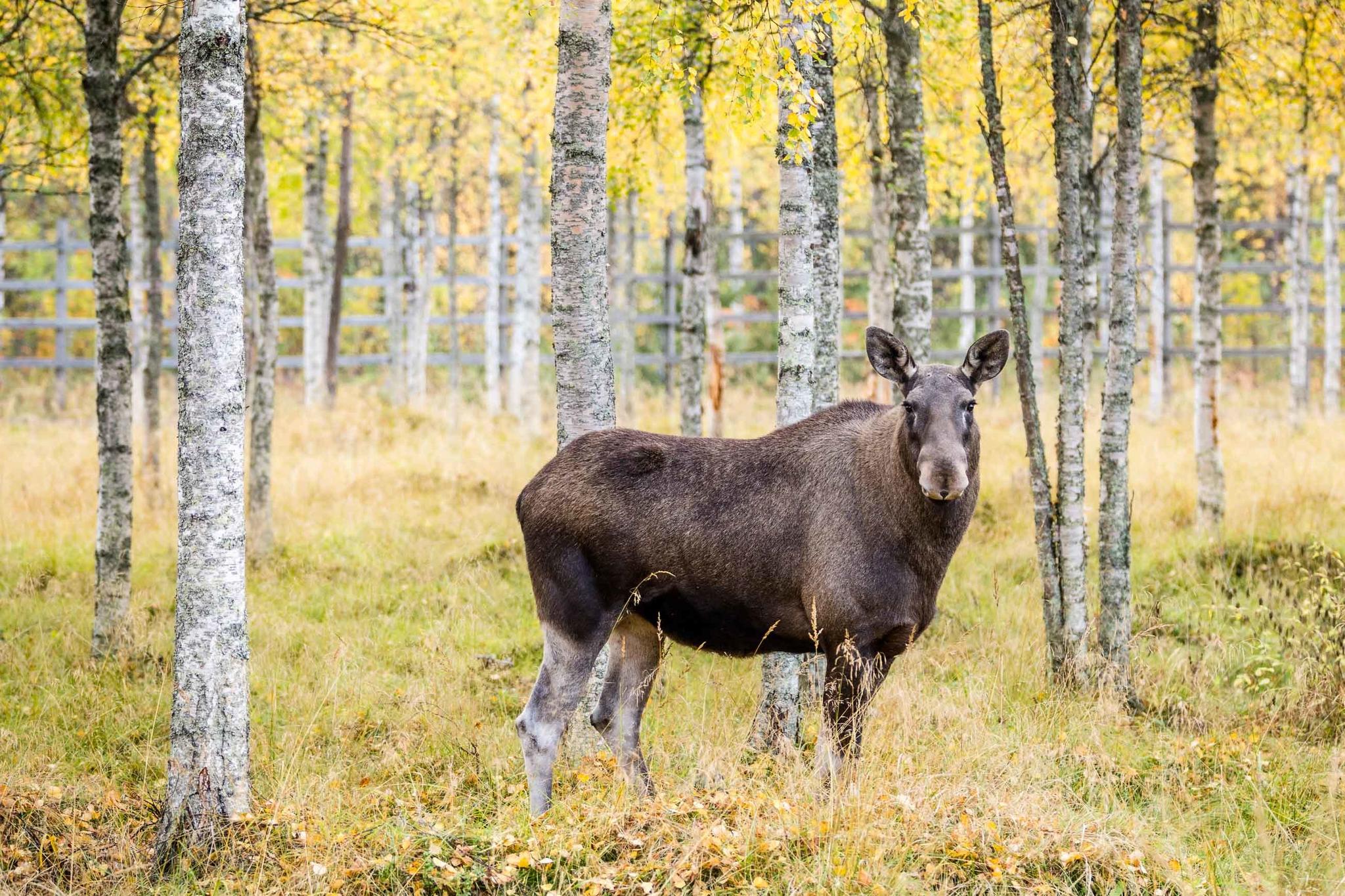
What makes the experience distinctive is the setting: rather than compact zoo enclosures, visitors follow a three-kilometre wooden trail that winds through forest, passing spacious habitats designed to resemble the animals’ natural surroundings.
Exploring the park with a photography guide
A Beyond Arctic guided visit turns the walk through the park into a slow, observant exploration. The wooden trail is easy to follow and suitable for most visitors, including families with children. In winter the path can be slippery, but the pace of the tour allows plenty of time to walk safely and stop along the way.
For photographers, the guidance can make a real difference. Your guide helps spot animals that might otherwise go unnoticed and shares tips on capturing good wildlife photos through fences and across natural enclosures. Patience is often rewarded — some animals rest out of sight for long periods, while others appear suddenly, offering brief but memorable moments for the camera. If you don’t have a camera – not to worry. The best photos taken by your guide will be available for downloading a few days after the tour at gallery.beyondarctic.com – just like on all Beyond Arctic tours and adventures.
Along the trail, the surrounding forest adds to the sense of being immersed in northern nature. The animals are not arranged in a strict order of “highlights”; instead, encounters unfold gradually as visitors move through different habitats.
Wildlife highlights of the Arctic and North
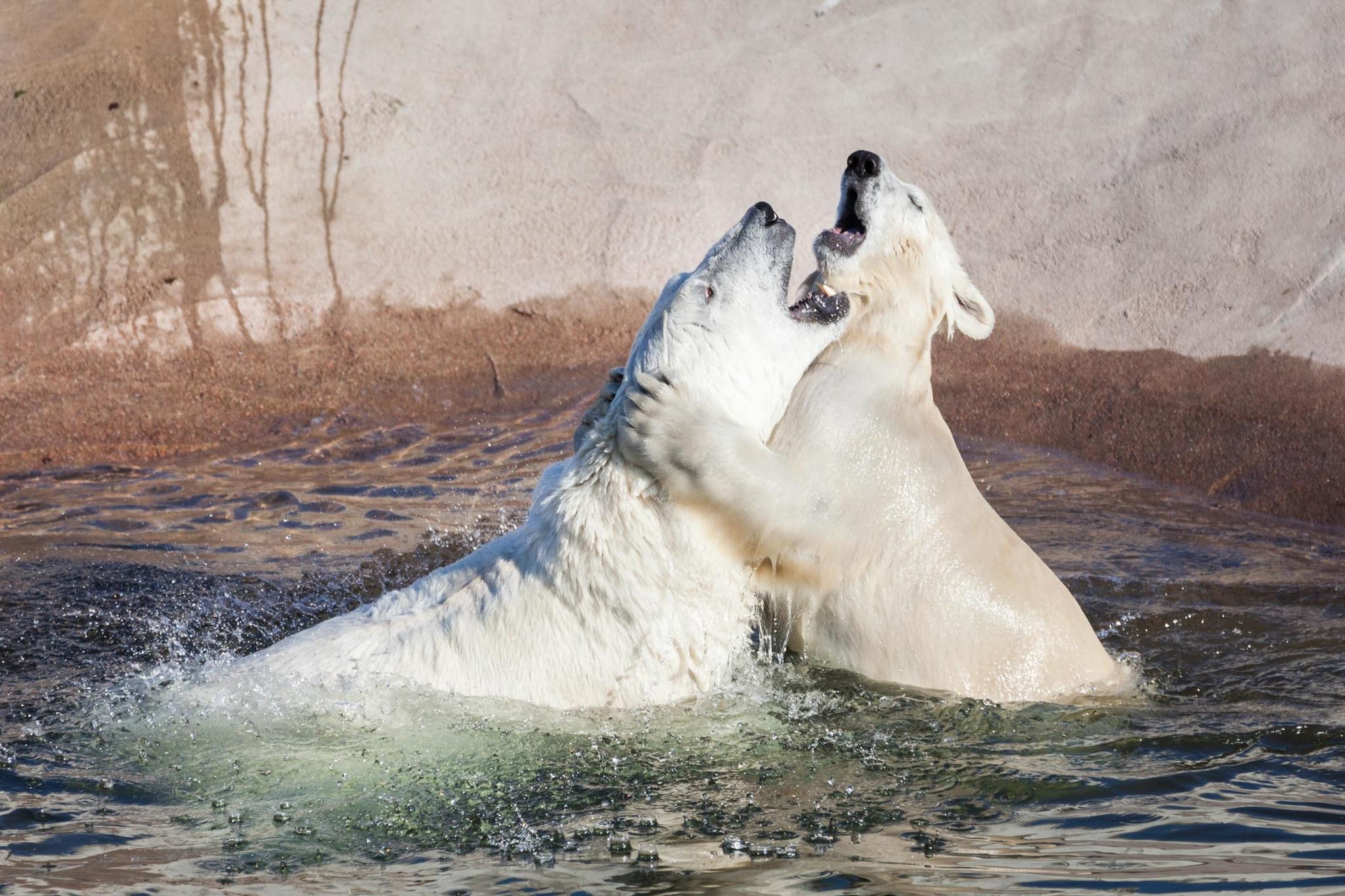
One of the most anticipated animals for many visitors is the polar bear. At Ranua Wildlife Park, there are 3 resident bears known for their playful behavior with each other, curiosity and love of swimming. Watching the Arctic’s largest land predator is a one-of-a-kind experience, heightened by the new observation deck and glass wall, enabling you to get close to these awesome animals.

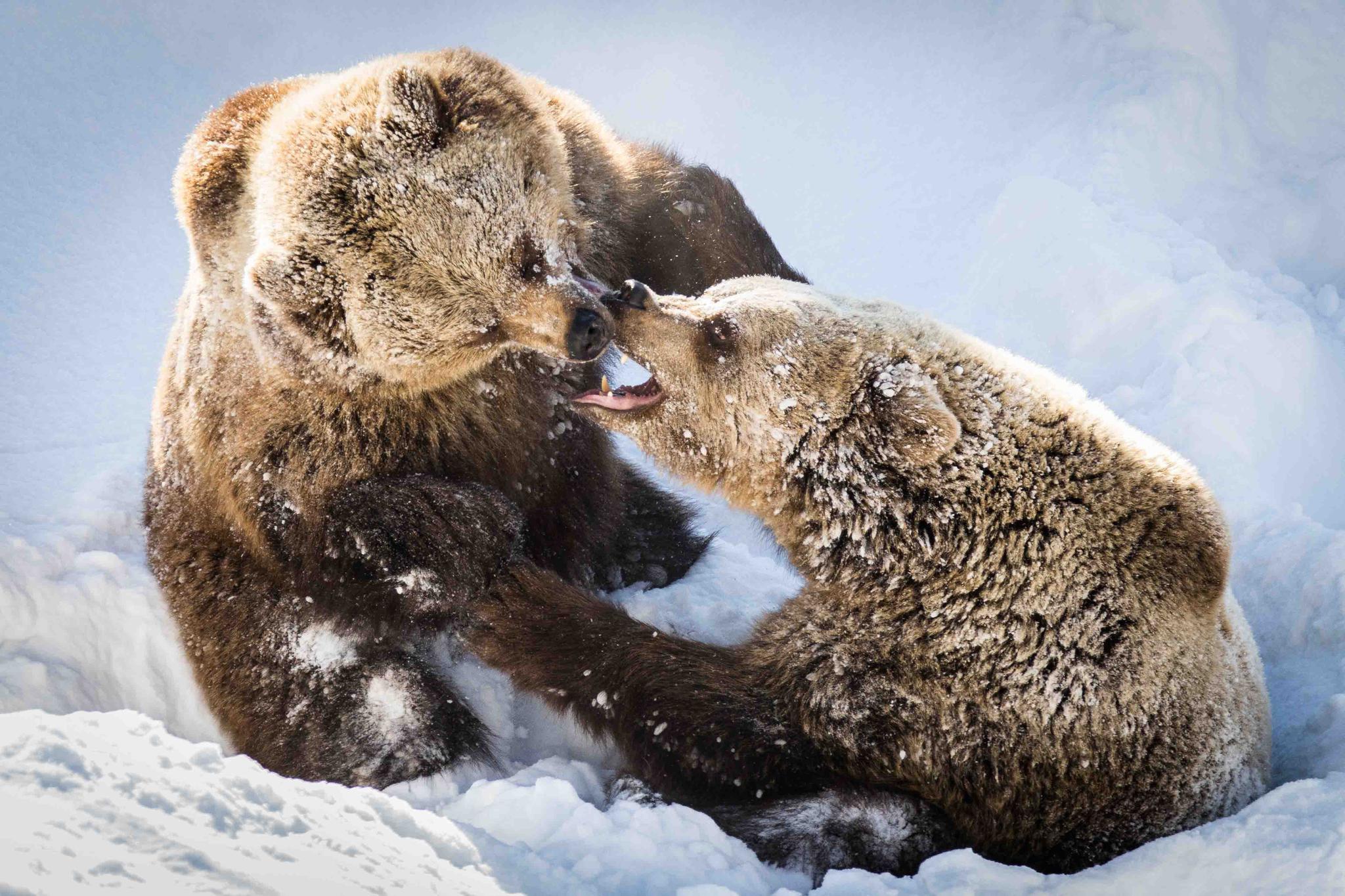
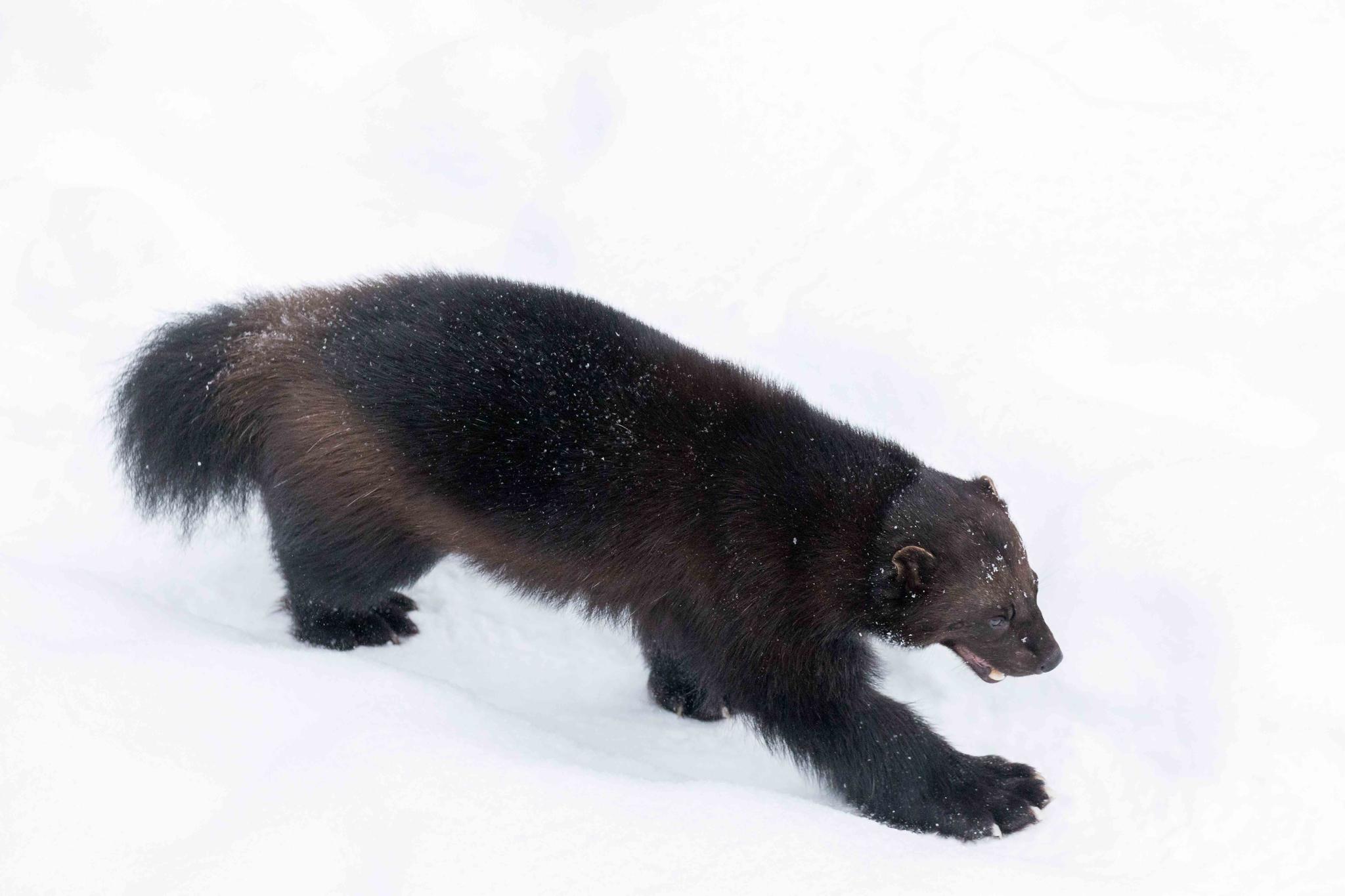
The park is also home to several large carnivores found in northern forests. Wolves live in a family group, often resting together or patrolling their enclosure. Nearby, two lynx sisters demonstrate the quiet grace typical of these elusive cats. Wolverines, another northern species rarely seen in the wild, are active and energetic, constantly exploring their surroundings.

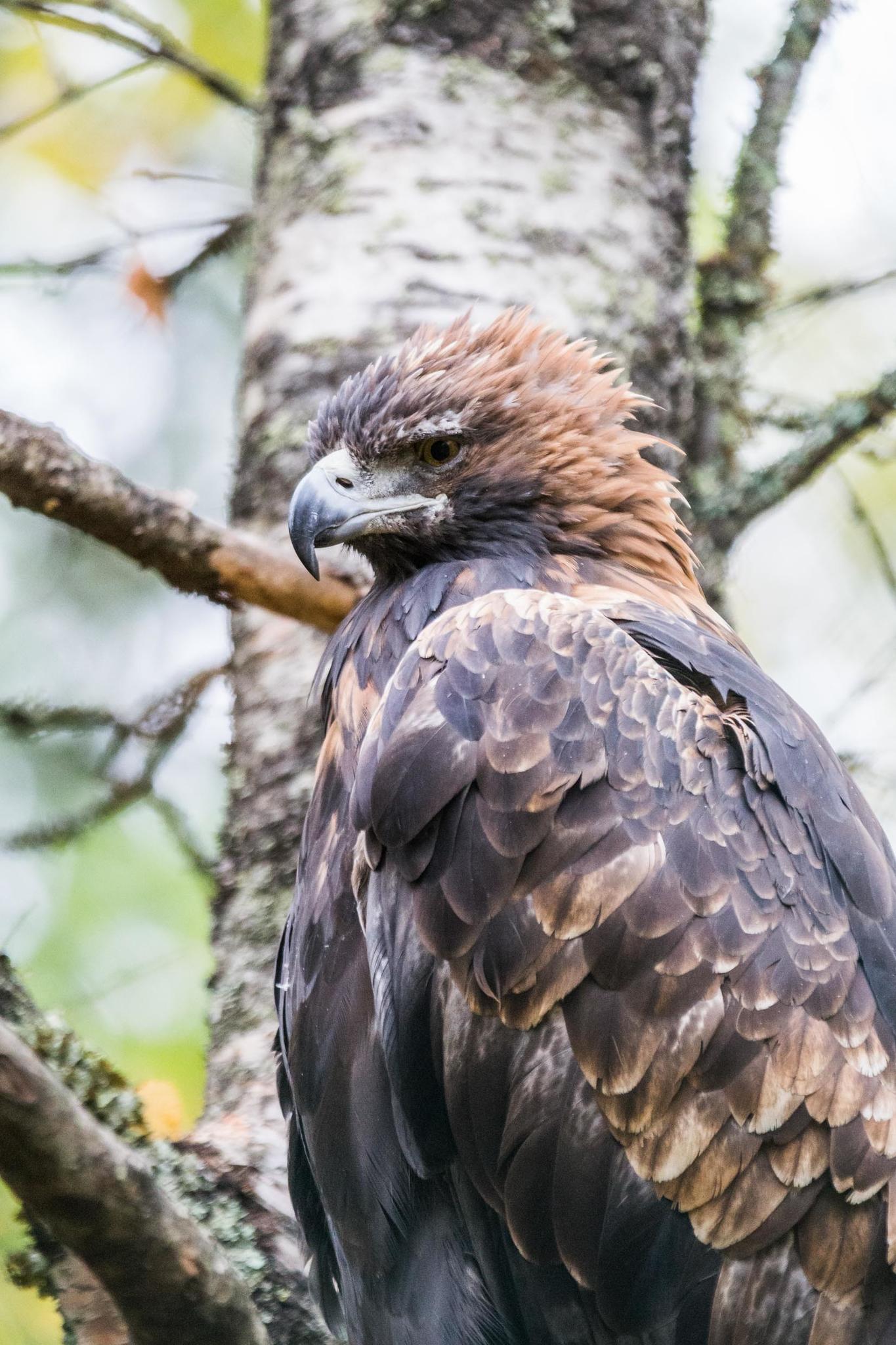
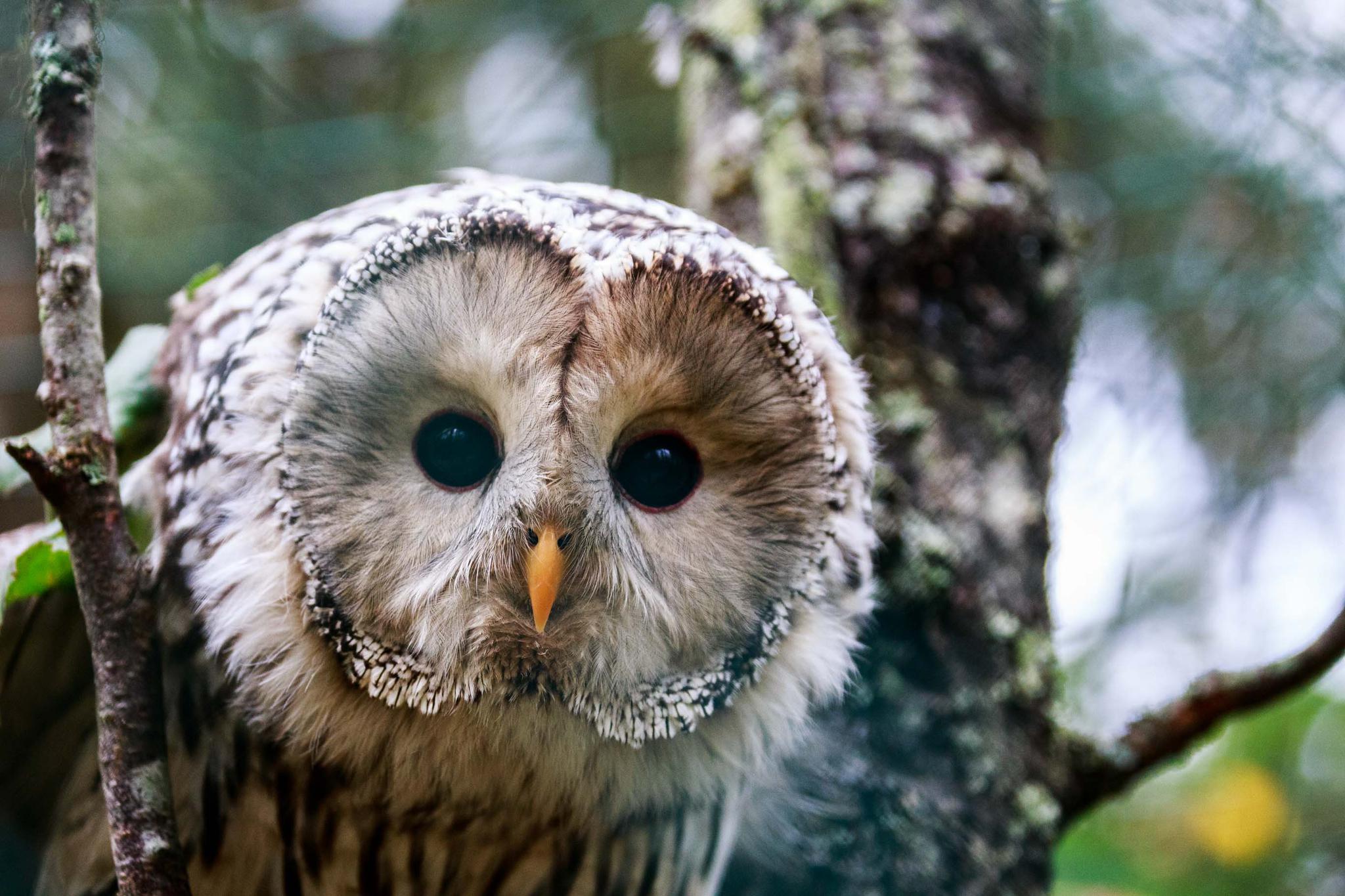
Birdlife forms an equally important part of the park’s animal inhabitants. A section of the trail focuses on owls, showcasing several species that inhabit the boreal forests of the north. Visitors may see snowy owls (fans of Harry Potter will be delighted to see this species) perched calmly in the open, while great grey owls sit motionless with their large facial discs turned toward the slightest sound. Other birds of prey include the golden eagle, an impressive example of northern raptors.

Closer to the ground, smaller animals often become unexpected favourites during guided tours. Otters swim and dive in their enclosure, sometimes appearing during the day despite being naturally more active at night. Beavers, the largest rodents in Finland, demonstrate their characteristic behaviour of gnawing wood and building structures. In another area, Arctic foxes move quickly through their habitat, sometimes pausing to watch visitors – if you can spot them! The snow-white winter coat of the Arctic fox allows them to blend into their surroundings and almost disappear when they are not moving.

A focus on conservation and education
Modern wildlife parks have an important role beyond simply displaying animals, and Ranua Wildlife Park places strong emphasis on conservation and education. The park participates in European Endangered Species Programmes and maintains studbooks for certain threatened species. These programs help manage breeding populations to support long-term survival.
Some animals at the park also have rescue backgrounds. Injured or orphaned wildlife — often birds — are occasionally brought in. When possible, they are rehabilitated and released back into the wild, but individuals that cannot survive independently remain in the park’s care.
Guided visits provide a useful opportunity to learn about these efforts in more depth. Your guide can explain how conservation programs work and share stories about individual animals, turning a simple walk through the park into a more meaningful encounter with northern wildlife.
An accessible wildlife experience for all ages
One reason Ranua Wildlife Park is popular with visitors to Lapland is its accessibility. The three-kilometre trail is straightforward to follow and includes rest points along the way, with toilets located halfway through the route. Because the animals live in large, naturalistic spaces, the atmosphere feels closer to a forest walk than a traditional zoo visit.
For families, this combination works especially well. Children often enjoy searching for animals hidden among trees or rocks, while adults appreciate the opportunity to see species that are rarely encountered in the wild. Even residents of Finland seldom see animals such as wolverines, lynx, or Arctic foxes in their natural habitats.
Seeing wildlife on the animals’ terms
A key principle at Ranua Wildlife Park is allowing animals to behave naturally. The enclosures are designed so that animals can hide or rest away from view if they choose. As a result, sightings are never guaranteed — but this unpredictability makes the moments when an animal appears feel even more special.
Walking the trail with a Beyond Arctic photography guide encourages exactly the kind of patience that wildlife observation requires. Rather than rushing between enclosures, the tour allows time to watch quietly, notice small details, and capture thoughtful photos.

By the end of the walk, visitors have not only seen a wide range of Arctic and northern species but also gained a deeper understanding of how conservation, research, and responsible wildlife care work together. For travellers exploring Finnish Lapland, a guided visit to Ranua Wildlife Park offers an approachable and informative way to connect with the wildlife of the north.
If you are planning your Arctic adventure,
now is a great time to secure your spot. Book your experiences with Beyond
Arctic now.
Got questions? Contact us! Our team of Arctic experts are here to help tailor a plan for your visit by phone or WhatsApp (+358 50 323 1090) or email (contact@beyondarctic.com)
Follow us on Instagram (@beyondarctic) and TikTok (@beyondarctic) for more content.